
By Jennifer Whitmire, MS, MEd, MH, CHES
Thyroid function, blood sugar regulation, and digestion are interconnected processes that influence each other. While they may seem unrelated, these three elements are intimately connected, working together to keep our health and all of its systems in balance. In the conventional medical world, these systems are “treated” alone, but we must understand how closely tied these systems are to achieve optimal health and longevity.
Thyroid hormones impact insulin secretion and sensitivity, affecting blood sugar levels. Additionally, they play a role in digestive enzyme production and nutrient absorption.
Conversely, blood sugar levels can affect thyroid function, potentially leading to insulin resistance or glucose metabolism issues. Digestion is also intertwined with both thyroid health and blood sugar, with thyroid hormones influencing digestive enzyme production and nutrient absorption, and the gut microbiome playing a role in blood sugar regulation.

Our thyroid wields incredible power. It regulates our metabolism, determines our energy levels, and orchestrates the efficient functioning of virtually every cell in our body.
A harmonious thyroid keeps our metabolic fires burning steadily, ensuring that we have the energy to lead an active life and that our bodily processes run smoothly. When the thyroid isn’t operating at its best, it can lead to issues like hypothyroidism or hyperthyroidism, affecting energy levels, mood, and even digestion.
Balancing Blood Sugar and Thyroid Health is important for OUR ENERGY!
Blood sugar, or glucose, is the body’s primary source of energy. When it’s well-regulated, we enjoy stable energy levels and mental clarity. However, fluctuating blood sugar levels can send us on a rollercoaster of energy spikes and crashes, affecting our mood, concentration, and overall well-being.
Blood sugar levels are intricately connected to thyroid function, as thyroid hormones influence insulin production and the body’s ability to use glucose effectively. When blood sugar is imbalanced, it can wreak havoc on thyroid health and vice versa. By understanding the connection between our diet, blood sugar, and thyroid health, we unlock the key to sustained vitality.
Digestive Harmony and Its Role in the TRIAD.
Digestion plays an important role in maintaining all aspects of how we feel and function. A healthy gut is essential for nutrient absorption, detoxification, and immune system support. It’s where the magic of nutrient conversion takes place, ensuring that our body receives the nourishment it craves.
When our digestive system is in sync, our overall health thrives, and our thyroid and blood sugar levels remain balanced. Furthermore, digestion plays a vital role in absorbing the nutrients needed for optimal thyroid health and blood sugar regulation. A healthy digestive system ensures that the nutrients crucial for thyroid function and blood sugar regulation are absorbed efficiently.

A healthy thyroid relies on several key nutrients to function optimally.
Blood sugar regulation and optimal digestion involve many of the same nutrients.
Focus on a the RIGHT BALANCE of MINERALS
Iodine is a crucial component of thyroid hormones. It’s needed to produce both thyroxine (T4) and triiodothyronine (T3), the two primary thyroid hormones. T4 is literally tyrosine plus 4 iodine atoms while T3 is tyrosine plus 3 iodine atoms. We clearly cannot have thyroid hormone without iodine.
However, you can get too much of this precious mineral, and excess iodine can increase blood glucose and blood pressure. We have to find the right balance. The thyroid uses iodine to control the rate of digestion as well as other bodily systems.
Sea vegetables and sea foods are high in iodine as well as other minerals. Seaweed salad from your favorite Japanese restaurant, dulse flakes sprinkled on soups or salads, or cooking beans or broths with pieces of kombu can all help increase iodine levels without resorting to supplements.
Selenium is essential for the conversion of T4 into the active form T3. In fact, it was found that selenium deficiency decreases the synthesis of thyroid hormones, as it decreases the function of selenoproteins, in particular iodothyronine deiodinases (DIOs), which are responsible for the conversion of T4 to T3. It also plays a role in protecting the thyroid gland from oxidative damage. Selenium also helps protect the gut lining and supports the immune system. As with iodine, selenium helps with insulin sensitivity, but excess selenium can lead to insulin resistance.
Brazil nuts are my first choice for selenium. I aim for 2 Brazil nuts a day with breakfast. But selenium is also found in sunflower seeds, whole grains, seafood, brassicas, and garlic.
Zinc is required for the synthesis of thyroid hormones. It’s involved in the conversion of T4 to T3. Zinc is also necessary for the synthesis, storage, and secretion of insulin, and it supports the structure of digestive enzymes and helps maintain the integrity of the gut lining.
My favorite source for zinc is pumpkin seeds, but it can also be found in beef, sesame seeds, beans, nuts, and oysters. To boost absorption, eat them with a food high in vitamin C like raw tomatoes, kiwi, raw red bell peppers, or mandarin oranges.
Copper helps regulate the synthesis and secretion of thyroid hormones. However, excess copper can block the absorption of zinc and lead to oxidative stress. Excess copper can also alter the microbiome leading to an overgrowth of pathogens.
Copper rarely needs to be supplemented. It is found in cashews, soy, mushrooms, shellfish, nuts, seeds, beans, prunes, cocoa, organ meats, and whole-grains.
Iron is necessary for the production of hemoglobin, which carries oxygen to the body’s cells, including those in the thyroid gland. Iron is essential for red blood cell production and oxygen transport, which supports overall gut function. Just like the other minerals, you have to have the right balance of iron for blood sugar regulation. Excess iron and iron deficiency have both been linked to insulin resistance.
I like to get my iron from leafy greens, and like copper, it is better absorbed when consumed with foods high in vitamin C. I like to add vitamin C rich foods to a dark green salad. Iron is in red meat, poultry, fish, raisins, greens, beans, spinach, pumpkin seeds, lentils, molasses, and tofu.
Magnesium is involved in several enzymatic reactions related to thyroid function. Magnesium is essential for glucose metabolism and insulin sensitivity. Magnesium also helps relax muscles, including those in the digestive tract, and supports bowel regularity. Leafy greens, nuts, seeds, and whole grains are good sources.
Vitamins are important for the TRIAD, too!
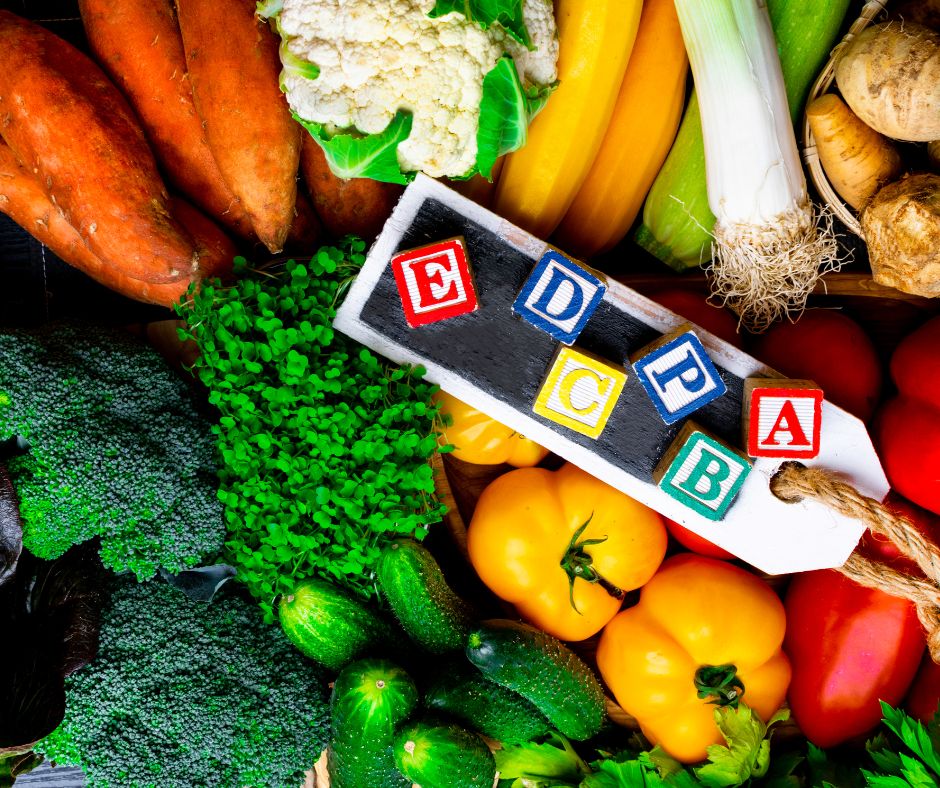
Vitamins A and D play essential roles in maintaining the triad of thyroid health, blood sugar balance, and a strong digestive system.
Vitamin D contributes to thyroid function by regulating the production and conversion of thyroid hormones, ensuring they function optimally. Moreover, it aids in improving insulin sensitivity, which is crucial for blood sugar balance. Adequate vitamin D levels are not only associated with a healthy thyroid but also with a well-balanced gut microbiome, reducing the risk of digestive disorders.
On the other hand, vitamin A is indispensable for supporting the mucosal cells within the digestive tract, promoting a robust gut lining. This helps maintain gut integrity, which is essential for overall digestive health. Together, vitamins A and D provide a powerful combination for optimizing the triad of thyroid function, blood sugar regulation, and digestive well-being.
The B vitamins, including B2 (riboflavin), B3 (niacin), B6 (pyridoxine), B1 (thiamine), and B5 (pantothenic acid), are important for maintaining the triad of thyroid health, blood sugar balance, and strong digestion. Specifically, B2, B3, and B6 are crucial in various aspects of thyroid hormone production and regulation, ensuring the thyroid functions optimally.
Additionally, these B vitamins actively participate in glucose metabolism, contributing to balanced blood sugar levels. Furthermore, B1, B3, and B6 play essential roles in the production of digestive enzymes, promoting overall gut health. By supporting these vital processes, B vitamins become key players in optimizing thyroid function, regulating blood sugar, and maintaining a robust digestive system.
Tyrosine is a precursor to thyroid hormones, acting as a building block for the synthesis of T3 and T4, the key thyroid hormones. Ensuring an adequate supply of tyrosine is essential for optimal thyroid function.
Additionally, tyrosine also has a role in supporting neurotransmitters like dopamine and norepinephrine, which are involved in mood regulation and cognitive function. This can indirectly impact blood sugar balance by influencing dietary choices and stress responses.
Moreover, amino acids, as a group, contribute to digestive health by promoting the production of digestive enzymes and aiding in the repair and maintenance of the gut lining. This is pivotal for nutrient absorption and overall digestive system integrity.
Omega-3 fatty acids are renowned for their potent anti-inflammatory properties, which have a direct impact on thyroid function. By reducing inflammation, they create an environment in which the thyroid can operate optimally, maintaining hormone production and regulation. This overall health support simplifies the thyroid’s task, allowing it to carry out its duties with greater efficiency.
In the realm of blood sugar control, omega-3s continue to shine. Their anti-inflammatory aspects helps mitigate inflammation that could otherwise disrupt glucose regulation, contributing to a more stable blood sugar profile.
Furthermore, these fats are instrumental in reducing gut inflammation, promoting digestive harmony. A healthy gut, free from inflammation, is crucial for nutrient absorption and immune system function.
Incorporating omega-3 fatty acids from sources like flaxseeds, walnuts, and fatty fish like salmon into your diet can be a strategic move to foster thyroid health, support balanced blood sugar levels, and cultivate digestive well-being.
Antioxidants such as vitamin C and vitamin E act as guardians for the thyroid gland, shielding it from the detrimental effects of oxidative stress. By neutralizing harmful free radicals, these antioxidants help maintain the integrity and function of the thyroid, ensuring the smooth production and regulation of hormones.
Beyond their influence on the thyroid, antioxidants extend their protective embrace to the gut. They effectively combat oxidative stress within the gastrointestinal system, reducing inflammation and preserving gut health. This is particularly important for digestion, as oxidative stress can lead to digestive disorders and hinder nutrient absorption.
Antioxidant-rich foods, including vibrant berries, zesty citrus fruits, and nourishing leafy greens, as well as, nuts and seeds are valuable additions to your diet. They not only safeguard the thyroid but also contribute to a healthier gut and more stable blood sugar levels.

Day to day living affects the triad, too!
Staying well-hydrated is essential for metabolic processes. Water helps transport nutrients and remove waste. Staying hydrated is also crucial for maintaining the mucosal lining of the digestive tract and promoting smooth digestion. Proper hydration ensures that the digestive system functions smoothly, aiding in the breakdown and absorption of nutrients.
- Movement: Regular exercise can improve insulin sensitivity, regulate appetite hormones, and support a healthy metabolism.
- Sleep: Poor sleep can disrupt hormone regulation, including leptin and ghrelin. Aim for 7-9 hours of quality sleep per night.
- Stress Management: Chronic stress can lead to imbalances in hormones like cortisol, which can affect metabolism and appetite regulation. Stress management techniques like meditation and yoga can be helpful.
Crafting Thyroid-Friendly, Blood Sugar-Balancing, and Digestive-Boosting Meals
Eat your GREENS!
Leafy greens like spinach, kale, and romaine are packed with essential nutrients like iron, vitamin C, and fiber. Iron supports thyroid hormone production, while fiber aids digestion and helps maintain steady blood sugar levels. Incorporate these greens into salads, smoothies, or sautéed dishes for a thyroid and blood sugar-friendly boost.
Eat the Right Balance of Proteins for Sustained Energy and Blood Sugar Control
Well balanced, whole food meals provide essential amino acids for thyroid hormone synthesis. They also keep you feeling full and provide a steady release of energy, aiding in blood sugar stability.
You don’t need meat to get tyrosine! **GASP!**
Tyrosine is NOT an essential amino acid, meaning you don’t have to get it from your your diet. It is found in foods, but it is also made in the body from the amino acid phenylalanine which is abundant in many common foods.
If you struggle with producing thyroid hormones, it may not be an intake issue. It may be a processing issue. You have to have the good stomach acid to break down proteins into amino acids. For many people with thyroid conditions, antacids are a common thing to take. This WORSENS the issue. If you take supplements to decrease stomach acid, you are not going to break down your foods.
Do things to increase stomach acid like taking bitters before meals, having some apple cider vinegar in water before a meal, or simply chew on some bitter greens while you prepare your meal.
Eating foods like pinto beans, pumpkin seeds, and sweet potatoes will help you meet your tyrosine needs, but so will almonds, avocados, bananas, lima beans, sesame seeds, and even dark leafy greens like broccoli.
Choosing the Right Grains or Grain-Substitutes for Fiber and Sustained Energy
REAL whole grains and psuedograins like quinoa, buckwheat groats, brown rice, and oat groats are rich in fiber and B vitamins, which supports digestive health and helps manage blood sugar levels. They also provide essential B vitamins for thyroid function. Enjoy them as a base for poke bowls, breakfast porridge, or as a side dish.
Add Fermented Foods for Gut Health and Thyroid Harmony
Fermented foods like dairy free yogurt, kimchi, and sauerkraut are probiotic-rich options that nurture your gut microbiome. A balanced gut is essential for effective thyroid hormone conversion and absorption of nutrients. Incorporate these foods as condiments or toppings to promote digestive and thyroid wellness.
Choose Healthy Fats in Balance to Support Thyroid Function
Monounsaturated fats found in avocados, olive oil, and nuts are heart-healthy and promote thyroid health. These fats assist in the conversion of inactive thyroid hormone (T4) to active (T3) and support overall thyroid function. Drizzle olive oil on salads or snack on a handful of nuts to harness their benefits.
Balance your omega 6 to omega 3 fatty acids. It is so important to consume foods high in omega 3s. Our bodies are meant to consume a ratio of 1:1 or 2:1, but the typical American consumes a ratio closer to 20:1, which is inflammatory. Even when we consume foods like heart healthy almonds and zinc-rich pumpkin seeds, we don’t want to eat too many of those and too few omega 3s found in walnuts, chia seeds, flax seeds, and cold water fatty fish. (The typical American eats foods high in omega 6 oils like chips, fries, and fried foods which leads to the high Omega 6:3 ratio). Add chia seeds and or ground flax seeds to your smoothie bowl, grainfree porridge, or as a topping on your avocado. Add walnuts to your Today’s Salad, and make walnut Taco “meat.” Find ways to incorporate these wonderful foods.
Choose Low Glycemic Fruits for Blood Sugar Control
Fiber-rich fruits like berries and apples are excellent for maintaining stable blood sugar levels. They slow down glucose absorption, preventing spikes and crashes. Plus, they provide a range of antioxidants, bolstering overall health. Incorporate them into smoothies, snacks, or breakfast bowls.
Stay Hydrated and Use Herbal Teas for Calming Digestion
Herbal teas like ginger, peppermint, and chamomile can aid digestion and soothe digestive discomfort. Proper hydration is also vital for overall well-being and supports thyroid function. You can also eat water-rich foods like soups, cucumbers and tomatoes.
Balancing your thyroid, blood sugar, and digestion isn’t just about individual meals; it’s about adopting a holistic approach to your dietary choices. Incorporating these thyroid-friendly, blood sugar-balancing, and digestion-boosting foods into your regular eating habits can help you achieve a harmonious and healthful balance in your life.
If you need help incorporating more foods to balance your thyroid and/or blood sugar, schedule a call! Let’s see if you qualify for one of my programs! Click here to schedule your Discovery Call.

 Wholistic Jen
Leave a comment