
By Jennifer Whitmire, MHSc, MEd, MH, CHES
First of all, adding herbs to an unbalanced system, is still playing the Western conventional medicine game or “treating” symptoms. We have to get away from this way of thinking. You can’t add an herb or supplement without making other lifestyle changes! You MUST take steps to bring the entire body back into balance.
Balanced blood sugar isn’t just about managing diabetes; it’s a big deal for our whole body and all of our systems. Sure, eating right and tweaking our lifestyle habits are super important for keeping those sugar levels in check. But guess what? Mother Nature has some pretty cool herbs and supplements up her sleeve that can give us a hand. Combine these herbs and supplements with rest, play, stress management, and a whole foods plant dominant diet, and you’ll be on the road to high energy and longevity.
What Are Herbs and Supplements for Blood Sugar Balancing?
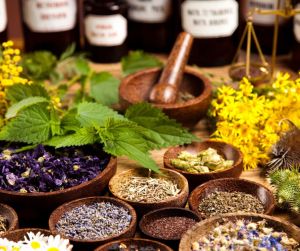
When we talk about herbs and supplements in the context of blood sugar management, we’re essentially referring to a broad category of natural substances. These substances are derived from plants, minerals, or other sources, and they’re consumed with the intent of assisting in the regulation and stabilization of blood sugar levels. In this vast category, you’ll come across all sorts of choices, like herbal extracts, important vitamins, essential minerals, and a bunch of plant-based things like creams, drops, and essential oils.
Herbs are those remarkable plants that often have medicinal properties. They can be used in their natural form or processed into various forms like extracts, capsules, or teas. Each herb comes with its unique set of active chemicals that may contribute to body systems that effect blood sugar management. These botanical wonders have been part of traditional healing practices for centuries, and today, they’re widely recognized for their potential benefits in supporting balanced blood sugar levels.
Supplements, on the other hand, encompass a wide range of substances. These can include vitamins, minerals, and various plant-derived compounds that are not necessarily herbs in their natural form. Supplements are usually available in various forms, such as pills, powders, or liquids, making it convenient to incorporate them into your daily routine. They are often designed to provide essential nutrients or bioactive compounds that may be lacking in your regular diet.
So, in essence, when we talk about herbs and supplements for blood sugar management, we’re exploring remedies that have the potential to play a valuable role in helping us achieve and maintain healthy body systems which then lead to healthy blood sugar levels. These can be a supportive addition to your lifestyle and dietary choices when we understand their actions and use them correctly.
What are some Herbs and Spices Used for Blood Sugar Balancing?
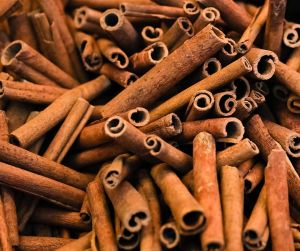
Cinnamon (Cinnamomum cassia)
Cinnamon isn’t just a delightful spice; it’s a blood sugar hero too. Studies have shown that cinnamon can lower fasting blood sugar levels and improve insulin sensitivity. This aromatic spice contains compounds that mimic insulin’s function, assisting glucose transport into cells. You can incorporate cinnamon into your diet by sprinkling it on chia pudding, adding it to smoothies, or brewing it in tea.
Berberine
Berberine is a powerful plant compound found in several medicinal herbs, including goldenseal, Oregon grape, and barberry. It’s been used for centuries in traditional medicine to treat various ailments, including diabetes. Research indicates that berberine can help lower blood sugar levels by improving insulin sensitivity and reducing sugar production in the liver. I prefer to use the whole herb in place of a processed supplement with added fillers and/or capsules that have to be processed and broken down by the body.
Fenugreek (Trigonella foenum-graecum)
Fenugreek seeds are rich in soluble fiber, which can slow down carbohydrate digestion and sugar absorption. This leads to more stable blood sugar levels. Additionally, fenugreek enhances insulin sensitivity. You can make fenugreek tea, soak fenugreek seeds overnight and consume them in the morning , or add fenugreek powder to your dishes for a subtle, maple-like flavor.
Chromium
Chromium is a trace mineral that plays a crucial role in insulin’s action. It helps insulin transport glucose into cells, promoting balanced blood sugar. While chromium is naturally present in some foods, like broccoli and barley, it’s also available in supplement form. However, do your research before adding supplements to your regimen.
Gymnema Sylvestre
Known as the “sugar destroyer,” gymnema sylvestre is an herb from India that has been used for centuries to curb sugar cravings. It contains compounds that may reduce the absorption of sugar from the intestines and enhance insulin’s effect on lowering blood sugar.
Alpha-Lipoic Acid or Omega 3s
Alpha-lipoic acid is a potent antioxidant that has demonstrated blood sugar-lowering effects. It appears to improve insulin sensitivity and reduce oxidative stress in cells. Additionally, alpha-lipoic acid may help with neuropathy symptoms, a common complication of diabetes. You can take a supplement, but I prefer have a chia pudding, or ground flax seeds or hemps seeds added to smoothies, or a few walnuts on top of a salad.
Garlic
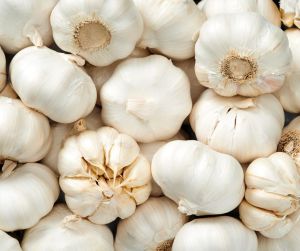
Garlic, known for its robust flavor and culinary versatility, offers notable benefits for blood sugar management. This pungent bulb contains allicin, a natural compound that has been linked to improved insulin sensitivity. Allicin can help your cells respond more effectively to insulin, the hormone responsible for regulating blood sugar levels. Additionally, garlic has demonstrated potential in lowering fasting blood sugar levels, which is crucial for individuals striving to maintain stable glucose levels throughout the day. Add freshly chopped garlic to salad dressings, sauces, and roasted vegetables.
Bitter Melon (Momordica charantia)
Bitter melon is a unique food that resembles a bumpy cucumber. It’s commonly used in Asian cooking and traditional medicine to help regulate blood sugar. Bitter melon contains compounds that act similarly to insulin, assisting in glucose uptake by cells. You can grow it in your backyard in the summertime, and slice and eat it raw or cooked.
Magnesium
Magnesium is a vital mineral involved in over 300 biochemical reactions in the body, including those related to insulin and glucose metabolism. Ensuring an adequate intake of magnesium through diet or supplements may help maintain healthy blood sugar levels.
Green Tea Extract
The polyphenols in green tea, particularly epigallocatechin gallate (EGCG), may have a positive impact on blood sugar regulation. Green tea extract supplements or simply enjoying a few cups of green tea daily can contribute to these potential benefits.
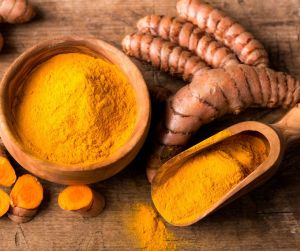
Curcumin (Turmeric Extract)
Curcumin, the active compound in turmeric, exhibits anti-inflammatory and antioxidant properties. Some research suggests that it may help improve insulin sensitivity and reduce blood sugar levels. Combining it with black pepper (which contains piperine) can enhance its absorption. Grate some turmeric over your soups or salads or add some to a smoothie.
Why Do People Use Herbs and Supplements for Blood Sugar Management?
First and foremost, many people are drawn to herbs and supplements because they embody a natural and holistic approach to blood sugar control. In a world often saturated with pharmaceuticals, the allure of harnessing the healing power of nature is undeniable. Herbs and supplements are often viewed as a gentler, more harmonious way to nudge your body towards health. This natural inclination aligns perfectly with those who wish to embrace a wellness strategy deeply rooted in the principles of holistic health.
Moreover, herbs and supplements are seen as complementary aids in the quest for blood sugar regulation. They can function as valuable companions to conventional treatments, working in synergy with prescribed medications to enhance their effectiveness. For many, the idea of blending the best of both worlds, traditional and modern, creates a sense of empowerment in their blood sugar management journey.
The side effects associated with certain medications can be burdensome, and here’s where herbs and supplements shine as side effect managers. Some individuals explore these natural options as a way to mitigate the adverse effects of prescription drugs. They see herbs and supplements as an opportunity to restore balance to their bodies while addressing any unintended consequences brought about by medication.
However, the allure of herbs and supplements doesn’t stop at blood sugar control alone. One of their most fascinating aspects is their potential to deliver additional health benefits that extend beyond mere blood sugar regulation. Herbs, mainly, contain vitamins, minerals, fiber, and phytochemicals that we still don’t even understand. So unlike chemical medicines, they can add to our nutritional status. Some herbs and supplements have been linked to improved cardiovascular health, enhanced immune function, or even stress reduction. These added perks make them attractive options for those who want to optimize their overall well-being while taming their blood sugar levels.
What Are the Potential Benefits of Using Herbs and Supplements?
A Natural Approach? One of the standout advantages of herbs and supplements is their natural ORIGIN. Rooted in the bountiful offerings of nature, these remedies align harmoniously with the body’s intrinsic mechanisms. They embody the philosophy that the simplest, most unadulterated substances often yield the most profound effects. By opting for natural solutions, we can steer clear of synthetic compounds and chemicals, fostering a sense of purity and holistic wellness in our blood sugar management journey.
You have to examine ALL of your meds and even other supplements and herbs you are taking. Natural does not always mean safe!
Synergistic Compatibility? Herbs and supplements aren’t isolated players in your health regimen; they’re remarkable team players. They have a unique capacity to work in conjunction with other therapies. This interaction can enhance the effectiveness of conventional treatments, potentially resulting in better blood sugar control. Whether you’re using medication, engaging in dietary modifications, or adopting lifestyle changes, herbs and supplements can seamlessly integrate into your wellness toolkit, adding an extra layer of support.
Other Health Benefits? While their primary role may be blood sugar regulation, herbs and supplements often come bearing an array of secondary health benefits. Some have been linked to improved cardiovascular health, contributing to a healthier heart and circulatory system. Others may play a role in weight management, assisting people in their quest to achieve or maintain a healthy body weight. These additional advantages illustrate the holistic nature of herbs and supplements, positioning them as versatile tools capable of addressing multiple facets of well-being simultaneously.
Reduced Risk of Side Effects? Unlike certain medications that can bring along a host of side effects, herbs and supplements typically carry a lower risk in this regard. They are generally well-tolerated by the body, which can be reassuring for those concerned about potential adverse reactions. This reduced risk profile often makes them an attractive option for individuals looking to manage their blood sugar levels without the burden of troublesome side effects.
Personalized? Herbs and supplements allow for a more personalized approach to blood sugar management. It’s important to remember that different people may respond differently to various supplements. Therefore, you have the flexibility to tailor your regimen to your specific needs. This personalized approach recognizes that everyone’s body is unique, and what works best for one person might not be the same for another.
What Are the Risks and Concerns Associated with Herbs and Supplements?
It is critical to acknowledge and thoroughly understand the potential pitfalls that may accompany these natural remedies. UNDERSTAND YOUR MEDS and make informed decisions about your health journey.
Are they regulated?
A significant concern regarding herbs and supplements is the lack of stringent regulation compared to pharmaceutical drugs. These products often fall into a gray area of regulation, which means that their quality and potency can vary widely among different brands and manufacturers. This inconsistency can lead to uncertainties about the purity, safety, and effectiveness of the supplements you choose. Therefore, meticulous research and selecting reputable brands become paramount to ensure you’re receiving a reliable product.
Do they interfere with your meds?
I repeat:
You have to examine ALL of your meds and even other supplements and herbs you are taking. Natural does not always mean safe!
Herbs and supplements have the potential to interact with medications you may be taking for other health conditions. These interactions can sometimes be unpredictable and may lead to adverse effects or interfere with the efficacy of your prescribed medications. It’s imperative to consult with someone who can assess the safety of integrating herbs and supplements into your existing regimen if you are on other medications.
Could they mask other Issues? Relying solely on herbs and supplements can potentially mask underlying health issues that contribute to blood sugar imbalances. It’s crucial to address the root causes of these imbalances, which often involve dietary and lifestyle factors. Using supplements as a complementary strategy rather than a sole solution is generally more advisable.
Has the Herb or Supplement Been Used and Studied for A LONG time?
Another point of concern revolves around the limited evidence supporting the efficacy of certain herbs and supplements for blood sugar management. While some natural remedies have shown promising results in small-scale studies or traditional practices, larger, well-designed clinical trials are often lacking. This limited scientific foundation can make it challenging to gauge the true effectiveness and safety of these supplements. As such, approaching these remedies with a degree of caution and managing expectations is prudent.
Do the Benefits Outweigh the Cost?
The cost implications of long-term herb and supplement use should also be carefully weighed. These products can accumulate expenses over time, especially if you’re relying on multiple supplements. It’s essential to assess whether the potential benefits justify the financial investment and consider alternative, cost-effective approaches to blood sugar management.
How Should You Choose Herbs and Supplements?
The process of selecting the right herbs and supplements for your blood sugar management strategy requires careful consideration and meticulous attention to detail. This is an essential step in ensuring that you receive the maximum benefit from these natural remedies while minimizing potential risks.
Reputable Brands:
The first and foremost factor to consider is the reputation of the brand producing the supplements. Established and well-respected brands often prioritize quality control, ingredient purity, and product potency. Opting for supplements from these trusted manufacturers can provide you with a degree of confidence in the product’s reliability. Be sure to research brands known for their commitment to quality and transparency.
Third-Party Testing:
Look for supplements that undergo third-party testing for quality and purity. These tests are conducted by independent laboratories to verify the accuracy of ingredient labels, assess the absence of contaminants, and confirm that the product meets quality standards. Products that have undergone such rigorous testing are more likely to be reliable and safe.
Transparency and Ingredient List:
ALWAYS READ THE INGREDIENTS carefully. High-quality supplements should provide detailed information about the source of each ingredient, including the botanical name, part of the plant used, and any additional additives or fillers. This transparency allows you to assess the purity and source of the supplement’s components.
Dosage and Usage Instructions:
Pay close attention to the dosage and usage instructions provided on the supplement’s packaging or by your healthcare team. It’s vital to follow these recommendations precisely to ensure that you are taking the supplement safely and effectively.
Seek Reviews and Recommendations:
Seek out reviews and recommendations from reputable sources, such as healthcare providers, scientific publications, or consumer advocacy organizations. Hearing about the experiences of others who have used the same supplement can offer valuable insights into its effectiveness and safety.
What Are the Key Takeaways for Balanced Blood Sugar Management?
You can’t just add herbs to an already broken system. You must make other changes as well.
Dietary Choices: A cornerstone of blood sugar management is crafting a balanced diet that harmonizes with your unique nutritional needs. Focus on consuming whole, unprocessed foods rich in fiber, lean proteins, and healthy fats. These dietary choices help regulate blood sugar levels by promoting slow, steady glucose release into the bloodstream. Consider adopting eating patterns like the Mediterranean diet or the Dietary Approaches to Stop Hypertension (DASH) diet, both of which emphasize nutrient-dense, blood sugar-friendly foods.
Physical Activity: Regular physical activity is a powerful tool for blood sugar regulation. Exercise enhances your body’s sensitivity to insulin, allowing cells to better absorb glucose for energy. Engaging in activities you enjoy, such as walking, cycling, or dancing, can make it easier to maintain a consistent exercise routine.
Stress Management: Chronic stress can significantly impact blood sugar levels. Implementing stress management techniques like meditation, deep breathing exercises, or yoga can help reduce stress hormones that may interfere with insulin function. Adequate sleep is also essential, as sleep deprivation can disrupt blood sugar control.
Responsible Use of Herbs and Supplements: While herbs and supplements can complement your blood sugar management plan, it’s crucial to use them responsibly. Herbs like cinnamon, berberine, and fenugreek, as well as supplements like chromium and alpha-lipoic acid, are known for their potential blood sugar-regulating properties.
Regular Monitoring: Stay proactive by monitoring your blood sugar levels as recommended by your healthcare provider. This allows you to track your progress, identify patterns, and make necessary adjustments to your lifestyle and treatment plan.
Education and Empowerment: Knowledge is a powerful tool in blood sugar management. Educate yourself about the glycemic index of foods, portion control, and the impact of different nutrients on blood sugar. Understanding these factors empowers you to make informed dietary choices and take control of your health.
Peer Support: Consider joining support groups or seeking guidance from individuals who share similar blood sugar management goals. Sharing experiences and advice with peers can provide emotional support and practical insights.
Give It Time:
Understand that the effects of herbs and supplements may not be immediate. In many cases, it takes time for these natural remedies to exert their full influence on blood sugar levels. Be patient and stay consistent with your regimen, as long-term adherence often yields the best results.
Holistic Approach: Remember that herbs and supplements are one piece of the puzzle. They should complement, not replace, a holistic approach to blood sugar management that includes a balanced diet, regular physical activity, and stress management.
Remember, the most effective approach often involves a combination of these alternatives, tailored to your specific needs and health condition. Collaborate closely with your healthcare provider to design a comprehensive blood sugar management plan that aligns with your goals and promotes your long-term well-being.
Herbs and supplements can be valuable tools in blood sugar management, but they should be approached with caution and as part of a comprehensive plan. While they offer a natural and individualized approach, their lack of regulation, potential for interactions, and limited scientific evidence are important considerations. It’s crucial to work closely with someone knowledgeable about herbs and supplements to determine the most appropriate supplements for your specific needs and to ensure they complement, rather than replace, a balanced diet and a healthy lifestyle. Ultimately, blood sugar balancing is a multifaceted journey that involves various factors, and herbs and supplements should be just one piece of the puzzle.
Want to learn more about managing your blood sugar? Did you know that in most cases you CAN reverse insulin resistance and even diabetes if it hasn’t been a long standing condition?
 Wholistic Jen
Leave a comment