

By Jennifer Whitmire, MS, MEd, MH, CHES, NEP

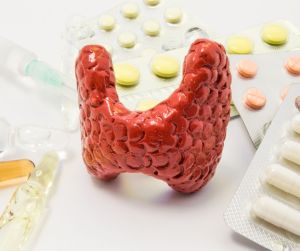
The thyroid is a marvelous little organ, “The Master Gland.” It’s a butterfly-shaped organ nestled in your neck, just below the Adam’s apple area, that plays a role in regulating many of your body’s functions. We’ve been discussing the thyroid for months, so if you need help understanding the thyroid, you can go here.
The liver is responsible for “cleaning our blood” and regulating the different chemicals and hormones found in our blood. It performs hundreds of different processes. It produces bile to help us digest fats, it breaks down proteins and combines amino acids to produce different proteins, it produces cholesterol to protect our cell structure. It converts excess glucose into glycogen, so we have energy reserves in cases of famine or emergency. It processed hemoglobin, it regulates blood clotting, …. It is so crucial, that we can donate part of it, and it will usually grow back (regenerate) to its original size within one year!
What the heck is NAFLD?
Non-alcoholic fatty liver disease, NAFLD, a silent epidemic, is a common liver condition that, as the name suggests, occurs in people who don’t drink excessive amounts of alcohol. Instead, it’s linked to the buildup of extra fat in liver cells. This can lead to more severe conditions like non-alcoholic steatohepatitis (NASH) and cirrhosis. It’s typically associated with metabolic issues such as obesity, insulin resistance, and diabetes.
As noted, NAFLD, is a disease of the liver that ranges in severity from inflammation to infection to fibrosis to cirrhosis. Up until 20-30 years ago, liver disease was really only seen in alcoholics and drug addicts, and usually in mostly middle-aged men. But…now it is being seen by people who don’t drink and even children. Anyone, including kids, can get NAFLD. It’s more common in people who don’t eat healthy food, don’t exercise, or have extra weight.
NAFLD is present in up to 75% of people who are overweight and in more than 90% of people who have severe obesity.
There are two types of NAFLD. NAFL is a fatty liver without inflammation while NASH is when the liver has too much fat, but it also becomes swollen, inflamed, and damaged.
NAFLD can lead to cardiovascular disease, diabetes, and metabolic syndrome and it may be caused by those, as well. NASH can lead to cirrhosis and liver failure.
What are the Symptoms of NAFLD?
One interesting and somewhat tricky aspect of NAFLD is that it often doesn’t show any noticeable symptoms in its early stages. That means people who have it might not even know they do. They could be going about their daily lives without feeling sick or experiencing any strange sensations.
Even though you don’t feel unwell, your liver might be struggling quietly on the inside. It’s a reminder of why regular health check-ups are essential, as they can help detect conditions like NAFLD, even when you’re feeling fine.

So, How are the Liver and Thyroid Connected?
Many liver diseases are associated with thyroid disorders! Did you know Hepatitis C is related to thyroid disorders? And one of the side effects of anti-thyroid meds that many of us take (took) for thyroid antibodies can lead to hepatitis, cholestasis, or liver toxicity. I took anti-thyroid medications off and on for 6 years as I went in and out of remission.
Unfortunately, it is not standard practice to look at both the thyroid and the liver when one of them is out of balance. This is why it is so important to demand a full thyroid panel and get your liver enzymes checked for either, or both, conditions.
Thyroid hormones are not just metabolic regulators; they also impact cholesterol and insulin sensitivity. Studies have found that thyroid hormones can influence cholesterol metabolism and affect fat storage and utilization.
Both hypothyroidism and NAFLD are related to metabolic syndrome, a cluster of conditions that increase the risk of heart disease, stroke, and type 2 diabetes. These shared metabolic pathways provide a link between thyroid health and NAFLD.
Insulin resistance is prevalent in both hypothyroidism and NAFLD. Balancing blood sugar and restoring insulin sensitivity is always key in aiding in cases of hypothyroidism which can then aid in NAFLD.

How and Why Are Fat Stored in the Liver?
Cell-signaling molecules, adipocytes, are secreted by connective tissue to store energy. This is one of the body’s survival mechanisms and was important when humans were hunter-gatherers and went long periods of time between meals.
Adipocytes are secreted by fat tissue to regulate metabolic processes. These effect energy, the neuroendocrine function, the immune system, the vascular system, etc. They create inflammation where it is needed due to an injury or invader, or they create anti-inflammatories when needed to aid in inflammation.
When there is excess fat in the body, it creates an imbalance in the action of adipocytes. This can lead to chronic inflammation, insulin sensitivity, and elevated cholesterol.
Leptin is a hormone that maintains body weight. It is an adipocytokine involved in appetite regulation. It is usually elevated in hypothyroidism. Leptin is also associated with insulin resistance, liver fibrosis, and NAFLD, possibly linking thyroid health and liver health.
Quick Recap of the Thyroid
At its core, the thyroid gland is like a metabolic powerhouse. It’s responsible for producing two essential hormones, thyroxine (T4) and triiodothyronine (T3). These hormones are akin to your body’s throttle, regulating the speed at which your cells work.
The thyroid doesn’t act alone; it’s influenced by a feedback loop between your brain and the thyroid gland. The hypothalamus, a region in your brain, produces thyrotropin-releasing hormone (TRH). When your body needs more thyroid hormones, the hypothalamus releases TRH, which signals the pituitary gland to produce thyroid-stimulating hormone (TSH). TSH then prompts the thyroid gland to release T4 and a bit of T3.
Brain->Hypothalamus (TRH)->Pituitary (TSH)->Thyroid->T4 and a little T3
T4 is like a precursor, a bit inactive. It often needs to be converted into the more active form, T3. This conversion occurs in several tissues, including the liver and kidneys, and it’s crucial because T3 is the real player in metabolism.
Does your doctor check your T3, Free T4, and Reverse T3 to see if conversion is happening and/or if T3 is even getting into your cells?
Could Hypothyroidism Be Connected to NAFLD?
Numerous clinical studies have looked into the connection between thyroid health and NAFLD. They have revealed that hypothyroidism may be an independent risk factor for developing NAFLD. In some of these studies, a significantly higher prevalence of hypothyroidism was found in NAFLD patients.
Research has also explored whether hypothyroidism could predict the severity of fatty liver disease. While results have been conflicting, some studies suggest that the presence of hypothyroidism is associated with more severe NAFLD, specifically NASH. This highlights the possibility that thyroid dysfunction might influence the progression of liver disease.
Excess fat accumulation in liver cells can lead to increased production of reactive oxygen species, which contribute to liver inflammation and fibrosis. Studies have reported elevated markers of oxidative stress in hypothyroid patients, possibly linking thyroid health to the oxidative stress observed in NAFLD.
Reactive oxygen species are highly reactive chemicals that can create damage to proteins and DNA in the body. Reactive oxygen species are released to create an antioxidant response to foreign substances in the body, bacteria, fungi, and even chemicals. This reaction is good, because it protects us from those harmful items, but our body tissue and cells get caught in the cross-fire.
Excess body fat leads to an imbalance in reactive oxygen species which can lead to more oxidative stress and more damage increasing risks of diseases. One symptom of hypothyroidism is excess body fat. The definition of NAFLD is excess fat.
What About Other Thyroid Diseases?
Hyperthyroidism can also be linked to NAFLD. One symptom of hyperthyroidism is unexplained weightloss due to an increased metabolism. This increase in metabolic activity affects the liver’s ability to handle fats which can affect liver health.
Hashimotos thyroidistis is an autoimmune disease where the immune system attacks the thyroid which leads to hypothyroidism. Individuals with Hashimoto’s are at an increased risk of NAFLD due to the metabolic changes from thyroid damage and the impact of chronic inflammation on the liver.
I have not found any connections between thyroid nodules and NAFLD, but thyroid cancer increases risk of NAFLD. Cancer is a chronic inflammatory condition which affects the liver.
NOT everyone with a thyroid disorder will develop NAFLD. The relationship is very complex and depends on many factors from the type of thyroid disorder to its severity to the immune response. We are ALL UNIQUE.
What Are the Key Factors That Connect the Liver and the Thyroid?
Metabolic Syndrome is a key issue in both NAFLD and thyroid disorders. It constitutes a collection of risk factors that significantly heighten the probability of developing heart disease, stroke, and type 2 diabetes. This is growing to a huge issue affecting over 92% if Americans! It is largely attributed to sedentary lifestyles and poor dietary habits.
Hypothyroidism is often associated with metabolic syndrome. Metabolic syndrome includes obesity, high blood pressure, insulin resistance, and abnormal lipid profiles, all of which are also risk factors for NAFLD.
Thyroid disorders influence the metabolism and hormonal balance of the body, affecting various physiological functions. This connection further complicates the web of metabolic and liver health.
- Obesity
Excessive fat, particularly abdominal fat, is a common risk factor for thyroid disorders. This adipose tissue produces inflammatory substances that contribute to insulin resistance and fat accumulation in the liver, further complicating NAFLD.
- High Blood Pressure
Hypertension is a central component of metabolic syndrome and can exacerbate liver damage in NAFLD. In cases of hyperthyroidism, high blood pressure can also be a concern.
- High Blood Sugar and Insulin Resistance
Hypothyroidism can lead to insulin resistance, a condition where your cells don’t respond effectively to insulin. Insulin resistance often results in elevated blood sugar levels and increased fat accumulation in the liver, contributing to NAFLD.
Elevated blood sugar levels are associated with metabolic syndrome and more severe forms of NAFLD, including NASH. Thyroid disorders can influence blood sugar regulation, complicating the metabolic picture.
- Dyslipidemia (Cholesterol Imbalance)
Abnormal lipid profiles, characterized by high triglycerides and low HDL, are prevalent in metabolic syndrome. Thyroid disorders can also lead to cholesterol and triglyceride imbalances.
In hypothyroidism, the liver may not process fats efficiently, leading to the accumulation of fat in the liver cells.
- Inflammation
Both hypothyroidism and NAFLD are associated with chronic inflammation. Inflammation in the liver is a hallmark of NAFLD and can be exacerbated in individuals with thyroid dysfunction.
- Thyroid Hormones and Liver Function
Thyroid hormones have a direct impact on liver function. Hypothyroidism can lead to impaired liver function and reduced ability to metabolize fats, which can contribute to the development and progression of NAFLD.
- Hormone Regulation
The hypothalamus-pituitary-thyroid axis, which regulates thyroid hormone production, can influence other hormonal axes, including those involved in metabolism. Imbalances in this axis can disrupt overall hormone regulation and affect metabolic processes, which can increase NAFLD.
- Oxidative Stress
Hypothyroidism has been associated with oxidative stress and the body’s ability to counteract or detoxify them. Oxidative stress can damage liver cells and contribute to NAFLD.
What About Thyroid Medications?
Anti-thyroid Medications
Anti-thyroid medications, typically prescribed to manage hyperthyroidism or an overactive thyroid, can increase risk of NAFLD . The relationship between anti-thyroid medicines and NAFLD is complex and depends on several factors, including the specific medication, how long it is used, and the individual.
Some anti-thyroid medications can lead to weight gain as they normalize an overactive thyroid. Weight gain is a major risk factor for NAFLD. The accumulation of excess fat, especially around the abdomen, can contribute to the development of fatty liver disease.
Anti-thyroid medications can impact metabolism. These medications may influence how the body processes and stores nutrients, including fats. This metabolic shift can affect the likelihood of developing NAFLD.
Thyroid Hormone Medications
Thyroid hormone medications need to be carefully monitored. Excess thyroid medications can lead to changes in the metabolic pathways which increase risk of NAFLD.
Thyroid hormone medication, typically prescribed for individuals with hypothyroidism, can affect the risk for metabolic syndrome and the risk of NAFLD.
If a client is over- or under- medicated, that can affect their liver as the liver has to process the excess hormones and regulate based on what is available. Also, the changes to metabolism affect how the liver manages cholesterol and glucose storage.
NAFLD is more closely linked to factors like obesity, insulin resistance, and unhealthy lifestyle habits. Improvements in these areas due to thyroid hormone medication may indirectly reduce the risk of NAFLD. While so many people want to get off of their meds, some people do need to stay on medication to keep everything in balance.

What Can We Do?
Check Your Nutrients!
Iodine Intake
Ensure that your diet provides adequate, but not excessive, iodine. Iodine is a key component of thyroid hormones. T4 and T3 are tyrosine plus 4 iodine or 3 iodine molecules. My favorite way to get iodine is through sea vegetables. I use nori and make vegetable sushi, I add pieces of kombu to beans and soups, and I even use a sea salt that has added sea vegetables mixed into it.
Selenium-Rich Foods
Selenium is essential for the conversion of T4 to the active T3 thyroid hormone. Brazil nuts and sunflower seeds are good sources. BUT, a little goes a long way, so just a few Brazil nuts is all you need.
Healthy Fats
Focus on omega-3 rich fats found in chia seeds, hemp seeds, flax seeds, and walnuts, as well as, unsaturated fats, like those found in avocados, nuts, and olives, while reducing saturated and trans fats. Omega-3 rich fats aid in inflammation!
Rainbow Foods
A well-balanced diet rich in fruits, vegetables, low-glycemic grains, nuts and seeds and other healthy fats support overall health and help with weight management, a common concern in thyroid disorders. Make EVERY meal colorful and aim for all of the colors of the rainbow by adding in non-starchy vegetables and berries: peppers, summer squashes, tomatoes, and lots of leafy greens.
Don’t go Overboard on Juicing Goitrogenic Foods
Some foods, like cruciferous vegetables (e.g., broccoli, cabbage, cauliflower), can interfere with thyroid function when consumed in very LARGE amounts. These foods provide CRUCIAL nutrients for your liver, so do NOT eliminate them, just don’t eat them night and day while juicing them, too. Cooking these foods can help reduce their impact.
Fiber
A high-fiber diet can help regulate digestion, which is sometimes affected by thyroid disorders. It is recommended to get 25-35 grams of fiber a day. BUT…that is the bare minimum! Traditionally, hunter-gatherers ate over 100 grams a day. Most Americans only get 5-10! You are better than most Americans!
Hydration
Stay well-hydrated to support bodily functions, including metabolism. It is crucial for better flow of blood and nutrients through your liver AND your kidneys. This also aids in digestion and helps you have better bowel movements.
Other Helpful Aids
Losing excess weight, if necessary, is one of the most effective ways to manage NAFLD. Even a 5-10% weight loss can lead to improvements.
Rapid weight loss can exacerbate liver damage. Aim for gradual, sustainable weight loss.
Managing blood sugar levels is crucial. If you suspect blood sugar imbalance, which you should if you have thyroid dysfunction, talk to your doctor about getting a CGM, a continuous glucose monitor, most insurance companies will pay for one with a prescription here in the US. Most countries offer them over-the-counter. You can also order one here: CGM.
Both thyroid disorders and NAFLD can benefit from a healthy lifestyle that includes a balanced diet, regular exercise, and stress management. Remember that these changes may take time to show significant effects, so be patient and consistent in your efforts.
Do You Want Individualized, Personalized Help Understanding Your Thyroid, Blood Sugar, Liver, …?
I can help! I work with my Jen Twin and biochemist, Jennifer Swank, and we help clients dig into their genetics and blood work to get to root cause health. We would LOVE to help you! Connect with us, and see if we would be a good match to work with you.

#metabolicsyndrome, #NAFLD, #liverhealth, #insulinresistance, #cardiovasculardisease, #type2diabetes, #liverdisease, #kidneydisease, #riskfactors, #healthcomplications, #thyroidhealth, #NAFLD, #thyroidNAFLDlink, #thyroidfunction, #liverhealth, #thyroidresearch, #thyroiddiagnosis, #metabolicsyndrome, #thyroidandliver
Nonalcoholic Fatty Liver Disease and Hypothyroidism: What You Need to Know
Non-alcoholic fatty liver disease and thyroid dysfunction: A systematic review
https://www.ncbi.nlm.nih.gov/pmc/articles/PMC4081681/
Hypothyroidism and Nonalcoholic Fatty Liver Disease: Pathophysiological Associations and Therapeutic Implications
https://www.ncbi.nlm.nih.gov/pmc/articles/PMC7562794/
NAFLD and thyroid function: pathophysiological and therapeutic considerations
https://pubmed.ncbi.nlm.nih.gov/36171155/
Hypothyroidism and non-alcoholic fatty liver disease: A coincidence or a causal relationship?
https://www.ncbi.nlm.nih.gov/pmc/articles/PMC10251274/
Non-alcoholic fatty liver disease and thyroid dysfunction: A systematic review
 Wholistic Jen
Leave a comment