


By Jennifer Whitmire, MS, MEd, MH, CHES, NEP
What Are Autoimmune Diseases?
Autoimmune diseases are a collection of disorders where the immune system, responsible for protecting our bodies against infections and other threats from harmful bacteria, viruses, and parasites, mistakenly turns against healthy cells and tissues. We live in a world where our body has to defend us from things that didn’t exist thousands or even hundreds of years ago. These new “things” can confuse our communication signals.
This fault in the immune system can lead to inflammation and damage in various parts of the body. There are over 80 known autoimmune diseases, and they can impact virtually any part of the body.
You are probably familiar with the more common autoimmune conditions. For instance, Rheumatoid Arthritis primarily targets the joints, causing pain and stiffness, while Lupus is a chronic autoimmune condition that can affect multiple organs. Type 1 Diabetes occurs when the immune system destroys insulin-producing cells, leading to high blood sugar. Multiple Sclerosis affects the central nervous system, and Celiac Disease is triggered by gluten consumption, affecting the small intestine. Hashimoto’s Thyroiditis and Graves’ Disease involve the thyroid gland. Psoriasis mainly affects the skin, while Inflammatory Bowel Disease includes conditions like Crohn’s disease and ulcerative colitis, which lead to chronic digestive tract inflammation. Sjögren’s Syndrome, on the other hand, impacts moisture-producing glands in the body, resulting in symptoms such as dry eyes and dry mouth.
Most autoimmune conditions have a genetic, environmental, and hormonal component as their cause. They can range widely in terms of severity and symptoms. While there isn’t a cure for most autoimmune diseases, they can typically be managed effectively. You CAN go into remission. You cannot change your genes, so you MUST manage your environment and factors that influence your hormones to keep it from returning.
Conventional healthcare systems involve symptom management and the suppression of the immune system. This can help and may be needed by people in the beginning. Getting these conditions under controls involves many factors, including medications when needed, lifestyle adjustments, removing potential toxins and cleansing the body, and hormone balancing, through optimizing nutrients, sleep, rest, and movement.
How Do Autoimmune Diseases Develop?
First, let’s talk about genetics. Many autoimmune diseases tend to run in families, indicating a genetic component. If you have a close family member with an autoimmune disease, you might be at a higher risk of developing one. However, having a genetic predisposition doesn’t guarantee you’ll get the disease. It just means you’re more susceptible. Oftentimes, diseases run in families, because certain lifestyles and eating plans run in families, it’s not necessarily genetic.
Environmental factors also play a role. Toxins and chemicals, for example, can sometimes act as triggers. They can confuse the immune system, making it start to recognize our own cells as threats. Smoking is a known trigger for several autoimmune diseases, including rheumatoid arthritis. Dairy can be a trigger for many people, and GLUTEN can be a factor in almost all of them, but especially Crohn’s.
Hormones can be a factor too. Many autoimmune diseases, such as lupus and rheumatoid arthritis, are more common in women than in men. This suggests that hormones like estrogen might be involved in the development or progression of these conditions. Using tests like the DUTCH test, can help you examine whether estrogen are in balance and then work on ways to get them into balance to reduce risks.
Stress is another possible trigger. While it won’t directly cause an autoimmune disease, chronic stress can weaken the immune system, making it more likely that an autoimmune condition will develop or worsen.
Think about all of the things that cause stress in your body!
- Lack of sleep
- Over-exercising
- Blood sugar swings
- Pesticides and Herbicides
- Artificial Coloring and Flavoring
- Even foods that should be healthy can be stressful to YOU and YOUR unique body (I cannot eat corn OR gluten)
- And I didn’t even mention stress from work, family life, traffic, and packed schedules
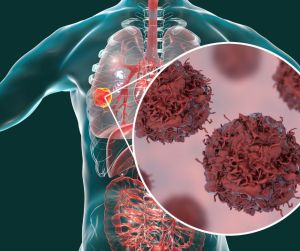
What Is Cancer Risk?
Cancer risk refers to the likelihood of developing cancer over a specific period or in one’s lifetime. It’s a complex topic because cancer can arise from many different factors, both genetic and environmental.
First, there’s epidemiological data which involves looking at the occurrence of cancer in large populations. I LOVED Epidemiology when I was study health sciences! Scientists examine trends to identify which factors are associated with higher or lower cancer rates. This can help us understand the big picture, such as which types of cancer are more prevalent in certain regions or among certain groups of people.
Then, there’s genetic testing. Advances in genetics allow us to assess cancer risk based on an individual’s genetic makeup. For example, mutations in certain genes, like BRCA, are associated with a higher risk of breast and ovarian cancer. MSH3 is associated with espaphogeal cancer and colon cancer. Genetic testing can help identify these risk factors.
Then we look at lifestyle and environment. These include behaviors like smoking, poor diet, lack of physical activity, sleep, hydration, and exposure to environmental toxins.
You already know that smoking, for instance, is a well-established risk factor for lung and many other cancers. Alcohol is a risk factor for liver cancer. But did you know that smoked, grilled and barbecued meats increases your risk of intestinal cancer and even death from breast cancer?
What Needs To Be Examined?
SLEEP
How well are you sleeping?
DIET
Do you eat mostly real whole foods?
Do you avoid inflammatory foods like sugar, alcohol, processed, foods, and foods that are fried? Do you eat grilled or smoked meats?
MOVEMENT
Do you move their body throughout the day? Stretching, bending, lifting, squatting throughout the day can decrease your risk.
STRESSORS
What is your stress level during the day? Do you take breaks throughout the day? Do you take time during your day to appreciate your surroundings? (This is an area where I really struggle!)
What chemicals are you exposed to in your home? Do you drink city water? What type of fabrics do you wear? What’s in your cleaning products, personal care products, …?
COMMUNITY
Do you have a support system?
Do you connect with others on a daily basis?
Having risk factors doesn’t mean someone will definitely get cancer, and having protective factors doesn’t guarantee they won’t. It’s all about probabilities. Assessing and understanding these risks helps in making decisions about what you should and should not eat and do.

Is There a Link Between Autoimmune Diseases and Cancer?
Yes, the chronic inflammation and immune system dysfunction can increase cancer risk.
Some autoimmune diseases are more strongly associated with certain types of cancer, and there are autoimmune diseases that have a proven link to cancer development. Here are a few examples:
Rheumatoid Arthritis (RA)
Individuals with RA, an autoimmune condition that affects the joints, have a higher risk of developing lymphoma, particularly non-Hodgkin lymphoma.
Systemic Lupus Erythematosus (SLE)
Individuals with SLE have a higher risk of developing cancers, including non-Hodgkin lymphoma, lung cancer, and vulvar cancer.
Inflammatory Bowel Disease (IBD)
Both Crohn’s disease and ulcerative colitis, which are types of IBD, are associated with a higher risk of colon cancer.
Sjögren’s Syndrome
This autoimmune disorder, characterized by dry eyes and mouth, is linked to a significantly increased risk of non-Hodgkin lymphoma.
Systemic Sclerosis
This autoimmune condition is associated with an elevated risk of lung cancer.
Autoimmune Hepatitis
This condition is associated with an increased risk of liver cancer, particularly in cases of long-standing, untreated autoimmune hepatitis. Inflammation and liver damage are key factors.
Psoriasis
While not a traditional autoimmune disease, psoriasis is an immune-mediated skin disorder that has been linked to an increased risk of skin cancer, particularly squamous cell carcinoma. A study published in the Journal of Investigative Dermatology in 2019 revealed that long-term use of certain psoriasis treatments, such as high-potency topical corticosteroids, can further elevate the risk of skin cancer.
Celiac Disease
People with celiac disease may have a slightly increased risk of developing small bowel adenocarcinoma and enteropathy-associated T-cell lymphoma, both of which are rare but serious types of cancer.
Hashimoto’s Thyroiditis
People with Hashimoto’s thyroiditis may have an increased risk of cancers of the breast, gastrointestinal tract, and even liver.
Why Am I Telling You This?
I’m not telling you this to scare you. First, having risk factors is no guarantee of anything! Second, I want you to know that this condition is serious, and you do need to get it under control.
AND
To get your illness under control, …You have to make changes! These changes will help you LOWER your risk.
How Does Autoimmune-Related Inflammation Contribute To Cancer Risk?
Autoimmune conditions start with chronic inflammation. Prolonged inflammation can damage DNA and promote mutations, increasing the risk of cancer. It provides an environment conducive to the growth of cancer cells.
Many autoimmune conditions are “treated” by taking immunosuppressive medications. Immunosuppressive drugs, can weaken the immune system. While some medications can be essential for managing certain conditions, they may reduce the body’s ability to detect and control cancer cells.
Some autoimmune diseases and certain cancers share common genetic factors. Having adaptations in specific genes can predispose individuals to both autoimmune diseases and cancer.
Lifestyle factors that increase the risk of autoimmune diseases, such as smoking, alcohol, obesity, poor diet, environmental exposures, etc can also raise the risk of cancer. For example, you know smoking is a risk factor for both lung cancer and certain autoimmune diseases.
Remember! Not everyone with an autoimmune disease will develop cancer. The increased risk is relative to the general population, and many individuals with autoimmune diseases live cancer-free lives.
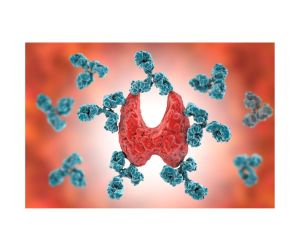
Certain inflammatory cells release growth factors that encourage tumor growth and angiogenesis (This is when new blood vessels form to supply the tumor with nutrients).
How Does Chronic Inflammation Affects Cancer Defenses?
Chronic inflammation can impair the body’s natural defenses against cancer. Normally, our immune system detects and eliminates abnormal cells. However, chronic inflammation can disrupt this protective mechanism in several ways.
Since 2020, you’re probably familiar with inflammatory cytokines. Inflammation leads to the release of inflammatory cytokines, which are signaling molecules that regulate immune responses. Some of these cytokines can promote cell proliferation and survival, which is a hallmark of cancer. For instance, interleukin-6 (IL-6) and tumor necrosis factor-alpha (TNF-alpha) are cytokines associated with both inflammation and cancer development. Some people have adaptations in these genes (IL6 and TNF-alpha).
Chronic inflammation can directly damage DNA. Inflammatory cells, like neutrophils and macrophages, produce reactive oxygen and nitrogen species. These molecules, when in excess, can harm DNA, leading to genetic mutations. These mutations can accumulate over time and increase the risk of cancer.
Inflammation can trigger the regeneration of tissues. While this is usually a reparative process, it can also increase the replication of cells, including potentially cancerous ones. This overstimulation of cell division can increase the likelihood of cancerous mutations.
Chronic inflammation creates a microenvironment within tissues that’s conducive to cancer development. Inflammatory cells, immune cells, and tissue repair mechanisms interact in ways that can foster tumor growth.
Chronic inflammation can lead to immune suppression. Over time, the immune system may become less effective at recognizing and destroying cancer cells. This immune evasion is a critical step in the progression of many cancers.
Inflammatory processes can produce factors that actively support cancer progression. For example, certain inflammatory cells release growth factors that encourage tumor growth and angiogenesis.
Inflammatory cytokines can provide signals that promote the proliferation and survival of cancer cells. This can lead to the accumulation of cancerous cells and tumor development.
Chronic inflammation can lead to genetic instability. As DNA damage accumulates, it can increase the likelihood of mutations that can drive cancer.
Inflammation can facilitate the process of metastasis, where cancer cells spread from the primary tumor to other parts of the body. Inflammatory responses may help cancer cells invade surrounding tissues and enter the bloodstream or lymphatic system.
What Are the Commonalities Between Cancer And Autoimmune Disease?
Both autoimmune diseases and cancer can run in families. Genetic predispositions may make individuals more susceptible to developing these conditions. Specific genes associated with inflammation or immune system function can increase the risk of both autoimmune diseases and cancer.
The Human Leukocyte Antigen (HLA) system, a group of genes that help the immune system distinguish between self and non-self, plays a role in autoimmune diseases. Certain HLA variants are linked to autoimmune conditions, and these same variants can also influence cancer susceptibility.
Infections with certain viruses, such as hepatitis B and C, the human papillomavirus (HPV), and Epstein-Barr virus (EBV), are known risk factors for both cancer and some autoimmune diseases. These infections can trigger chronic inflammation, immune system dysregulation, and genetic changes that contribute to both conditions.
Chronic stress can negatively impact the immune system and promote inflammation, making individuals more vulnerable to both autoimmune diseases and cancer.
Exposure to environmental toxins, such as asbestos and certain chemicals, can increase the risk of cancer and may also be linked to some autoimmune diseases.

How Do You Reduce Your Risk Of Autoimmune Disease AND Cancer?
Eat Real Food AND The WHOLE Rainbow!
Eat the rainbow! Aim for all of the colors at EVERY SINGLE MEAL. If you can’t get all of the colors, focus on GREEN. Green leafy vegetables from celery to kale to spinach are packed full of nutrients and minerals that your organs, and entire body, need. Eat a well-balanced diet rich nutrients, vitamins, minerals, and fibers found in fruits, vegetables, seeds and nuts, and legumes. A diet high in antioxidants (produce, herbs, and spices) can help combat inflammation and reduce cancer risk.
This Body Was Made To Move!
Engage in regular physical activity to maintain a healthy weight and promote optimal health. NOT too much! And NOT too little. Exercise can help manage inflammation and boost the immune system.
Kick The Tobacco AND Alcohol Habit!
Quitting is a top priority. Smoking and alcohol are a significant risk factors for both cancer and certain autoimmune diseases.
Release The Stress.
Chronic stress can exacerbate autoimmune conditions and increase cancer risk. Start prioritizing stress-reduction techniques such as mindfulness, meditation, yoga, or counseling. Google activities to help with getting into parasympathetic mode. It can be as easy as stopping throughout the day to look at beautiful pictures, thinking of 3 things your are grateful for, or just focusing on your breath.
Avoid Environmental Toxins
Minimize exposure to environmental toxins and chemicals whenever possible, especially if you have a history of autoimmune disease. Follow safety guidelines in your workplace and home. Use app like ThinkDirty to see if your products have cancer promoters in them.
Discuss Your Meds With Your Doctor! Is “This” Absolutely Necessary?
Some autoimmune disease treatments involve immunosuppressive drugs. While these drugs help control autoimmune responses, they increase risks to infections and, in some cases, cancer. Discuss the risks and benefits of immunosuppressive therapies with your healthcare provider.
Regular check-ups that include annual labwork and a healthy lifestyle that includes rest, good nutrition, and exercise reduce cancer risk in individuals with autoimmune diseases.
What Can You Do?
If you or someone you love is struggling with an autoimmune condition or cancer risk and wants help taking control of their health, I’m here to help. You can reach out to me for support and personalized assistance. Feel free to contact me through my website at wholisticjen.com where you can find more details about my services and the ways in which I can assist you on your health journey. My passion is helping you with your health, and I look forward to seeing if working together will help you achieve your health goals.
#AutoimmuneDiseases, #CancerRisk, #HealthSupport, #CancerPrevention, #AutoimmuneConditions, #Inflammation, #GeneticFactors, #LifestyleChoices, #MedicalInterventions, #EarlyDetection, #ResearchFindings, #HealthGuidance, #AutoimmuneConnection,
Immune-Mediated Diseases Associated With Cancer Risks
https://www.ncbi.nlm.nih.gov/pmc/articles/PMC8640951/#:~:text=and%20Extralocal%20Cancers-,Five%20of%20the%20organ%2Dspecific%20immune%2Dmediated%20diseases%20were%20significantly,2.18%2D21.75)%2C%20idiopathic%20thrombocytopenic
Autoimmune diseases and cancer
https://www.ncbi.nlm.nih.gov/books/NBK459441/
The five major autoimmune diseases increase the risk of cancer: epidemiological data from a large‐scale cohort study in China
https://www.ncbi.nlm.nih.gov/pmc/articles/PMC9118055/
Autoimmunity and Cancer—Two Sides of the Same Coin
https://www.ncbi.nlm.nih.gov/pmc/articles/PMC9140757/
Cancer Risk in Hashimoto’s Thyroiditis: a Systematic Review and Meta-Analysis
Hashimoto’s Thyroiditis Pathology and Risk for Thyroid Cancer
https://www.ncbi.nlm.nih.gov/pmc/articles/PMC4080848/
Autoimmune Diseases
https://www.niaid.nih.gov/diseases-conditions/autoimmune-diseases
Understanding Autoimmune Diseases
When Your Body Turns Against You
https://newsinhealth.nih.gov/2022/06/understanding-autoimmune-diseases
The Prevalence of Autoimmune Disorders in Women: A Narrative Review
https://www.ncbi.nlm.nih.gov/pmc/articles/PMC7292717/
Cancer Risk in Hashimoto’s Thyroiditis: a Systematic Review and Meta-Analysis
https://www.ncbi.nlm.nih.gov/pmc/articles/PMC9318815/#:~:text=Data%20analysis%20suggested%20that%20patients,low%20risk%20of%20respiratory%20cancers.https://www.ncbi.nlm.nih.gov/pmc/articles/PMC9318815/#:~:text=Data%20analysis%20suggested%20that%20patients,low%20risk%20of%20respiratory%20cancers.

 Wholistic Jen
Leave a comment