


Jennifer Whitmire , MS, MEd, MH, CHES, NEP
During the holidays, a sense of anticipation fills the air, accompanied by the promise of joyous festivities and cherished moments with loved ones. The magic of the holidays often brings a unique blend of warmth, gratitude, and celebration. However, amidst the joy, it’s important to acknowledge the challenges that can accompany this season, particularly for those of us who have or have had autoimmune conditions.
The holidays symbolize a time of connection, reflection, and shared experiences. From festive gatherings to the exchange of heartfelt gifts, there’s a palpable sense of joy in the air. Balancing the desire for joy and comradery with the need for self-care and healthy choices sets the stage for a mindful and intentional approach to the season.
Holiday celebrations often revolve around traditional foods, “treats and drinks,” social engagements, and a bustling atmosphere. While these are fun and contribute to the festive spirit of the season, they can also be stressful and create anxiety. From food and drink temptations to heightened stress levels, the impact of holiday celebrations on health requires some forethought. So, how can you prevent autoimmune flares during this season and experience the anticipated joy and health?
Understanding Autoimmune Flares
In last week’s article, “Am I Experiencing An Autoimmune Flare?,” I talked about the signs, causes, and preventive strategies. If you missed it, catch up [here].
Autoimmune diseases involve a diverse range of conditions where the immune system, which is supposed to defend the body from bacteria, viruses, and parasites, gets misaligned and mistakenly attacks its own tissues. This can lead to inflammation, tissue damage, and a variety of symptoms depending on the affected organs. Conditions such as rheumatoid arthritis, lupus, and Hashimoto’s thyroiditis are autoimmune diseases, each presenting unique challenges and symptoms.
Flares represent a resurgence of autoimmune activity, like to a storm within the body. Despite periods of remission, where symptoms may be gone or almost gone, flares can unpredictably occur, bringing a host of symptoms and challenges. Understanding the triggers behind these flares is important for those of us doing everything we can to prevent them.

I Feel Left-Out When I Don’t Get To Eat The Fun Food!
The holiday season often tempts us with an array of “treats,” from savory dishes like cornbread dressing and cheesy dips with chips to sweet cakes, candies, and pastries. What you choose and how you choose to eat during these festivities can make a difference in preventing flares.
Making Informed Food Choices
Focus on whole, nutrient-dense foods. Choose foods rich in vitamins, minerals, and antioxidants. Aim for the rainbow (not THAT candy rainbow!) at every meal. Choose colorful fruits, vegetables, nuts and seeds, and legumes that nourish your body.
Choose Cautiously! Be aware of trigger foods. Recognize and avoid foods that may trigger inflammation or exacerbate your symptoms. If you don’t know what is in a dish or can’t ask, don’t even put it on your plate. If you know you react to a food, before you eat it, think about it! Will it be worth it if this sets me back 6 months? That sounds extreme, but you never know when you’re at the tipping point until it’s too late. And sometimes, it can take 6 months recover.

Navigating Dietary Restrictions
Communicate Your Dietary Needs. Don’t hesitate to tell people your dietary restrictions. Most people are understanding and willing to accommodate. If it’s a holiday gathering with friends and loved-ones, they will help you.
Bring A Dish. Ask if you can help out by bringing a dish and make a dish that aligns with your dietary needs. This not only ensures you have a safe option but also introduces others to delicious and health-conscious choices. You never know who is watching and wondering about your food choices, and you don’t look sick. Guess what? Someone else in the room doesn’t look sick either. You may be unknowingly teaching them.
Stress Management Techniques
Meditation and Deep Breathing
Dedicate a few minutes throughout each day to mindfulness meditation or deep breathing exercises. These practices promote relaxation, reduce stress hormones, and foster a sense of calm. Any time you feel anxious or that “off” feeling, take it as a note to breathe. Literally tell your body, “I am safe,” and take a moment to pause and breathe for a minute or 5 minutes. That feeling is YOUR sign that you are not in alignment with your values, and you need to get grounded and centered.
Aim to do a meditation, a breathing exercise, a laughter yoga session, a visualization activity whenever you get “that” feeling and schedule them throughout the day: when you wake up, before each meal, before you go to bed. Start making this a regular practice until it is a part of your daily life even when it is not the holidays.
Guided Imagery
For some people, engaging in guided imagery sessions can transport their mind to serene and tranquil settings. Visualization can be a powerful tool in alleviating stress and promoting emotional well-being. If you struggle with visualization, think of a favorite memory and focus on all of the wonderful senses of that memory, maybe you can look at a favorite picture? What did you hear, feel, see, taste, smell, …?
Prioritize Self-Care
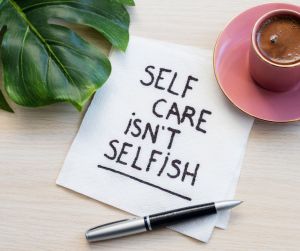
Self-care isn’t getting your nails done once a month or getting a massage every 6 weeks. Those can bring you pleasure, but real self care is what you do every day to take care of YOU. If you don’t prioritize YOUR health, you won’t be around much longer to help anyone else.
- Feed your body the food that it needs to function optimally.
- Hydrate your body. You need ½ an ounce of WATER per pound of body weight, plus MORE if you have coffee, tea, or alcohol! If you weigh 180 pounds you need about 90 ounces of clean water.
- Pause throughout the day to reflect, breathe, pray, express gratitude, meditate, …
- Get good quality sleep, a solid 7-9 hours of sleep every night, even on party nights.
- Don’t skip on exercise. If you are in a flare, are currently experiencing symptoms, or have been under a lot of stress lately, do gentle exercises. Just make sure you are moving your body every day. Maybe some yoga, tai chi, a gentle bike ride, a walk in the woods or on the beach. “A body in motion stays in motion.” Just be sure to move the way that is appropriate for your body in this moment.
- Schedule moments for activities that bring joy and relaxation, whether it’s reading a book, taking a nature walk, or enjoying a warm bath.
Delegate Tasks
Don’t hesitate to delegate tasks and share responsibilities. Whether it’s organizing gatherings or managing household chores, distributing tasks lightens the load and reduces stress. Believe it or not, there are some people who love to help! Oftentimes, we are afraid to ask for help. We don’t want to add to someone else’s burden. BUT, we don’t have the right to decide what someone else thinks or feels. And, some people LOVE to be asked to help but are afraid to ask, too. Some people are afraid that if they ask you if they can help, you will think they are judging you and think you aren’t able to do things.
Creating a Restful Sleep Environment
Optimize Your Sleep Space
Ensure your bedroom is conducive to sleep by minimizing light and noise. Invest in blackout curtains, comfortable bedding, and consider using earplugs or a white noise machine if needed. I recently bought a “not” alarm clock that lights up like the sunrise instead of blaring an alarm or music. I actually wake up smiling when the “sun” comes up?! BUT, it also has a 30 minute bedtime light. I turn it on and it starts off bright enough to read and has a raining sound. It gradually gets dimmer and dimmer like the sun setting. I get in bed and read for a few minutes but between the slowly dimming lights and the sound of the rain, I have to close my book. I quickly fall asleep. It’s just the right tool for ME. Find something that works for you.
I am NOT an affiliate, but my sleep machine/”not” alarm is like this one on Amazon. I’m not sure if it is this is the exact one, but it looks like it.
Establish a Relaxing Bedtime Routine
Create a calming pre-sleep routine as a signal to your body that it’s getting close to bed time. This might include reading a book, practicing gentle stretches, or enjoying a soothing cup of bedtime tea.
My routine lasts a few hours. I start by turning down the lights after dinner. 30 minutes before bedtime, I have a warm cup of bedtime tea. Then, I brush and floss and turn on my sunset light and sounds. Next, I do my “legs up the wall” with a warm, wet compress on my eyes for about 5-10 minutes. Then I get in bed and read until I have to put my book down. It either gets too dark or I can’t keep my eyes open to read anymore.
Before I came up with a routine, I couldn’t sleep, because of the “monkey brain.” Those circling thoughts, “I should have,” “why didn’t I say/do that,” “I need to,” “I forgot,” …. Or I would wake up and pee a few times in the middle of the night. I realized waking up to pee was really a habit. If I woke up I would think, do I really need to pee again? Sometimes the answer was yes, but eventually I got to where I can fall asleep quickly and sleep through the whole night.
Maintain a Consistent Sleep Schedule
Despite the festive season’s demands or parties, performances, and other obligations, do your best to maintain a consistent sleep schedule. Going to bed and waking up at the same time every single day helps regulate your body’s internal clock. I have a HARD line on bed by 10.
Limit Stimulants Before Bed
Be mindful of consuming stimulants like caffeine, chocolate, and sugar, especially in the hours leading up to bedtime. Do your best not to eat within 2-3 hours of bedtime. And avoid sugar anytime but especially at night. If you do indulge in sweets at night, notice if you have more night sweats and/or hot flashes.
Opt for calming herbal teas if you desire a soothing beverage.

Balancing Social Engagements
Setting Boundaries Effectively
Know Your Limits. Understand your energy levels and recognize when it’s essential to set boundaries. Choose events that align with you and where you are now and consider skipping those that may lead to excessive stress or fatigue. If you get “that” feeling about going somewhere, cancel it.
Learn to Say No
Practice saying no when needed, and don’t hesitate to decline invitations or commitments that may compromise your health. Communicate your decision with kindness and firmness. Setting boundaries can be freeing for you and others! Sometimes we are afraid to say no, and we get wishy washy leaving everyone wondering who’s doing what and when. When you are direct and give a straight answer, not only will you feel better, the other person can move on, too.
Communicating Your Health Needs with Loved Ones
Open Communication
Create open communication with friends and family about your health needs. Share your condition and how certain aspects, such as dietary choices or sleep routines, play a role in managing your health.
Provide materials or resources that explain autoimmune conditions. This helps your loved ones understand the challenges you may face and how they can offer meaningful support. This will help when you decline an invitation or suddenly decide to leave or change your plans. It will also help when you are around that pushy relative that gets upset when you don’t eat “their” food.
Plan activities that align with your health goals, making them inclusive for everyone. Whether it’s choosing restaurants with diverse menu options or organizing active outings, creating a supportive environment enhances the holiday experience for everyone.
Request Support When Necessary
Don’t be afraid to ask for support when needed. Whether it’s assistance with meal preparations, decorating, shopping, or just understanding your need for downtime, your loved ones can offer valuable support.
FOCUS ON YOUR FOOD
Incorporate Immune-Boosting Foods
Colorful Vegetables
Embrace a variety of colorful vegetables, such as leafy greens, bell peppers, carrots, and broccoli. These vegetables are rich in vitamins A and C and in loads of minerals that are essential for immune function.
Berries
Include antioxidant-rich berries like blueberries, blackberries, and raspberries, which are immune-boosting and packed with vitamin C and other nutrients.
Nuts and Seeds
Incorporate nuts and seeds, such as walnuts, chia seeds, flax seeds, and hemp seeds which are high in omega 3 fatty acids and are SO anti-inflammatory. Add almonds, sunflower seeds, and pumpkin seeds for their immune-supportive nutrients like calcium, vitamin E and zinc.

Recipes and Meal Ideas to Support Immune Health
Immune-Boosting Winter Berry Smoothie
Hydration and Detoxification
In order to prevent autoimmune flares during the holiday season, paying attention to hydration and detoxification is above important. Adequate hydration is essential for maintaining overall health. Clean water is the key to nutrient transportation, digestion, detoxification and temperature regulation.
Water helps flush out toxins through urine and sweat, promoting a healthy and balanced internal environment. Staying hydrated ensures that immune cells can function efficiently, helping your body defend against potential threats.
Natural Detox Strategies for Holiday Indulgences
Lemon Water
– Start your day with a warm glass of water infused with fresh lemon juice. This simple ritual supports liver function and helps alkalize the body.
Herbal Teas
– Incorporate herbal teas with detoxifying properties. Dandelion tea, ginger tea, and milk thistle tea are known for their liver-supporting benefits.
Hydrating Foods
– Include hydrating foods in your meals, such as water-rich fruits (berries, cucumber) and vegetables (celery, lettuce). These contribute to your overall fluid intake.
Intermittent Fasting
– Consider intermittent fasting as a natural detox strategy. Giving your digestive system a break allows your body to focus on repair and detoxification. It’s easy to graze all day over the holidays. Give your body time to rest and digest during the day.
Activated Charcoal
– Activated charcoal supplements may help absorb and eliminate toxins from the digestive tract. This is something I always have on hand when I travel or go someplace where I didn’t make the meal. If I feel like I was exposed to a trigger food, I take a couple of charcoal capsules with a FULL glass of water. This is what I do. I am NOT telling you to do the same! It is just something you may want to research and consider for yourself.
Encouragement for a Health-Conscious Holiday Season
As we navigate the joyous yet potentially challenging aspects of the holidays, remember that your health is a priority. The Jen Twins are here to offer guidance and support on your journey toward balance and vitality. If you find yourself needing assistance in gaining control over an autoimmune flare, don’t hesitate to schedule a time with me [here]. Together, let’s work towards bringing you back to a state of balance and well-being.
Wishing you a season filled with joy, gratitude, and wholesome moments.
If you need guidance in gaining control over your autoimmune flare, The Jen Twins are here to help. Schedule a time with me here, and let’s work together to bring you back to a state of balance and well-being.

 Wholistic Jen
Leave a comment