
By Jennifer Whitmire MS, MEd, MH, CHES, NEP
We know that what we eat affects our health. We know that certain types of fats like trans fats can clog our arteries and that brightly colored fruits and vegetables are high in bioflavonoids which are antioxidants that protect our cells. We know that sugar causes damage to our cells and arteries and blood vessels. Some foods create inflammation, and some foods nourish our body. AND…some foods are even medicinal.
Foods are also acidic, neutral, or alkaline or have an acidic or alkaline effect on the body. Everything we eat influences our body and health. Just like our whole body, each cell takes in oxygen and nutrients and eliminates wastes. We have to make sure we are providing those nutrients or nutrients that can become what our cells need. We also have to make sure that we give it the right nutrients to maintain our correct pH.
The alkalinity of our food has recently been on my radar. I remember hearing years ago something about alkaline foods, pH, and cancer, but I never really studied it or looked further until now. The alkalinity of our food matters very much to our entire body.
During a typical day, our body creates acids. When we breathe, we are exchanging gasses that create acid. When we exercise, we create acid (have you ever felt the burn? Lactic acid). BUT we have a built in system that neutralizes these acids. Our buffering system uses the kidneys, lungs, and skin to neutralize and eliminate acids. If you’ve ever cleaned a swimming pool or sauna, you are probably familiar with having to add soda when the water is too acidic. Our body creates acid during various processes, and certain organs release bases like bicarbonate to neutralize these acids.
Foods are either acidic, neutral (water is neutral unless you buy alkaline water), or alkaline. If we eat mostly foods that are alkaline, our body can easily manage the acids that form in our body; however, if we eat mostly acidic foods, our body can get overwhelmed. The Standard American Diet (S.A.D.) that is low in fruits and vegetables is very high in acidic foods and foods that create excess acid in the body.
What is pH?
pH is a measure of hydrogen ions on a molecule. What?! It tells us how acidic or alkaline something is. Acids give off hydrogens which are very unstable and reactive. These hydrogens attach to and break down proteins. (an example is: Hydrochloric acid is released in your stomach to break down the proteins that you have swallowed). A base accepts hydrogen ions and uses them to transform and neutralize acids. (an example is: The pancreas secretes bicarbonate as the stomach releases foods to neutralize the stomach acid when the food particles exit to protect the small intestine.)
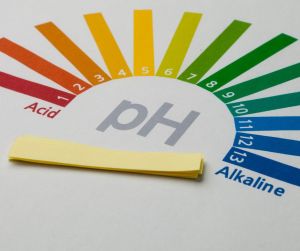
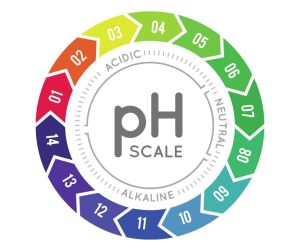
The pH scale ranges from 0 to 14 where 0 is the most acidic and 14 is the most alkaline. Stomach acid is a 0 and drain cleaner is a 14. Our foods fall in the middle.
I really like this pic from https://sciencenotes.org/the-ph-scale-of-common-chemicals/
As you can see, lemon, vinegar, wine, coffee, and milk are all acidic. Lemons are high in citric acid, vinegar is high in acetic acid, wine is high in tartaric, malic, and citric acid, coffee contains several different acids, and milk contains lactic acid.
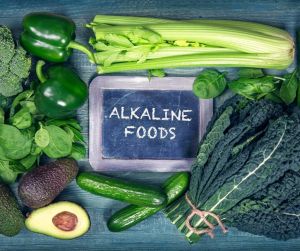
And look at this chart from https://www.kitchensanity.com/food/alkaline-acid-food-chart/This is my favorite depiction of how we should eat. You want to eat mostly foods that are on the right side of the chart.
What foods do you usually eat? Are they mostly acidic or alkaline?
Sodas and added sugars are more acidic with red meat, sweetened dairy, burgers, and cheese. Slightly better are the grains, beans, and nuts. Then we have fish, eggs, coconut, and even plums are on the acidic side. Tomatoes are considered acidic, as well.
On the alkaline side, we have fruits, even pineapple which feels acidic to me when I eat it. Squashes, lettuces, and garlic and onions, dark leafy greens, and all of the herbs are alkaline.
Now, I’ve found a few discrepancies. Some charts show all of the nightshades as being acidic, but this chart shows them as alkaline (nightshades are peppers, eggplant, tomatoes, and potatoes. Many people with joint pain and inflammation have trouble with nightshades. Test them for yourself! Avoid them for at least 4 days, then include them in 2+ meals for 2-3 days in a row to see if you FEEL a difference).
The blood must maintain a tight range between 7.31 and 7.45.
You can see from the scale in the link, there is not much wiggle room! In fact, any time the pH of your blood drops one tenth on the scale, it immediately jumps into action to correct it. You can go into a coma or worse very quickly if your blood gets too acidic.
What happens when you go into the hospital? They hook you up to an IV. The IV contains sodium chloride which are two minerals that are also electrolytes. These help your body balance the pH, too. When you are not in the hospital, your kidneys are work on balancing your pH. The kidneys (with the adrenals) regulate sodium and potassium to maintain your pH. It adjusts these minerals by changing your blood pressure and fluid levels. If the kidneys are weak or overworked, your body quickly extracts sodium and potassium from your bones. It is THAT important that the pH gets corrected.
Added sugar, processed foods, too much protein in the diet, too much fat in the diet, soft drinks, meats, dairy, beans, grains, fruit juices, and some nuts are acidic.
Does that mean we shouldn’t eat those acidic foods?
Absolutely not. Many of those foods are nutrient dense and contain fiber, healthy forms of fat, vitamins, and minerals that we know we need. That being said, we don’t want to overeat these foods.
Most of my followers already know we shouldn’t eat added sugar, processed foods, harmful fats, and soft drinks. The amount of protein you eat has an affect on your body’s pH, too. Animal protein is more acidic than plant protein, because it is a more complicated process to break down the amino acids into something usable in that form.
We usually eat meat and eggs that have been cooked which makes them even more difficult to break down. Think about how an egg coagulates as you cook it, or that burger or steak. Have you ever had overcooked pot roast? You have to chew forever.
Dairy is inflammatory and when we purchase it in the store, it has been heated to kill bacteria. That heating coagulates the proteins which makes them more difficult to digest.
Beans, nuts, and grains are higher in protein and have enzyme inhibitors, which is why I recommend that you soak and even sprout them before you cook or eat them.
Nightshades are potatoes, peppers, eggplants, and tomatoes. These foods are inflammatory for some people. And fruit juice is processed to remove the fibers, so it acts like sugar in the body. When you purchase juice from the store that is not cold-pressed, it has been heated which destroys its natural enzymes, so it is inflammatory and acid producing. If you choose to drink fruit juice, make sure that it is freshly juiced and cold-pressed, and CHEW your juice, don’t gulp it down, to release the digestive enzymes in your saliva to help break down those proteins.
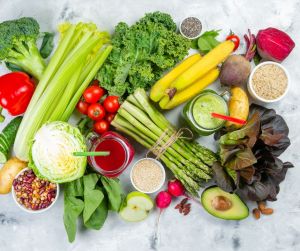
What foods are not acidic?
Seeds, leafy green vegetables, most fruits, and most vegetables, apple cider vinegar that has not been pasteurized, and quail eggs are all alkaline.
Only 15% of adults and 7% of kids meet the requirement for 5 servings of fruits and vegetables! And, in my opinion, 5 is NOT enough for optimal health.
So you can see that most people are eating an acidic diet. Many eat a lot of meat, cheese, and processed foods like pizza, pasta, and breads and pastries. And most people eat a high protein diet that includes meat 3 times a day with dairy cheese and milk or chocolate milk. Most people also drink sodas with phosphoric acid, and eat too much fat from fried and processed foods. There is a false belief that we need dairy for calcium. If you are drinking RAW dairy, it may be a good source, but you can get all of your calcium needs from dark leafy greens like Bok choy and collards.
The process of digesting pasteurized dairy creates so much acid, your body actually has to use more calcium (get it from your body) than comes from the dairy to neutralize that acid. This creates a negative calcium intake. Studies show that countries with the highest dairy intake have the highest cases of osteoporosis and highest hip fracture rate.
To neutralize all acid from the diet, the body will release bicarbonate that is created through breathing and released by the pancreas as the stomach empties and is also reused and released through the kidneys. But the S.A.D. is too much for the kidneys to handle which leads to extracting minerals from the bones.
Not only is the blood affected, but the health of the bones is also affected. Potassium and chloride are removed first, but once it reaches a certain level, it starts to extract the calcium and potassium. Your body needs these minerals to keep your muscles contracting and your heartbeat steady with the right pressure, so it is so important to make sure you are providing your body with these minerals.
In a basic blood test, we see if you have elevated calcium in the blood. Many people see this as a good thing. “I need calcium. I must be getting enough.” However, calcium should not be in the blood. If it is elevated in your blood, it is being used to alkalinize your blood and keep your heart beating. This can also create risks from clots. Have you heard the terms, calcification, calcium plaque, or know anyone who needs calcium blockers?
Dark leafy greens, raw salads, sauteed greens, sea vegetables like seaweed salads, nori wraps, and even dulse flakes added to salads are great ways to increase your mineral intake AND include more alkaline-rich foods.
If you are healthy and are wanting to maintain your health, make sure you are eating 75-80% of your foods from the alkaline side of the chart. If you have received a diagnosis of osteoporosis, cancer, autoimmune disease, heart disease, etc, then aim for 90% of your foods to come from alkaline-rich foods.
Once again, we see just how important it is to eat a diet that is high in fruits and vegetables and seeds and low in meats, grains, and dairy, and processed grains like pasta and bread.
Eat your greens!
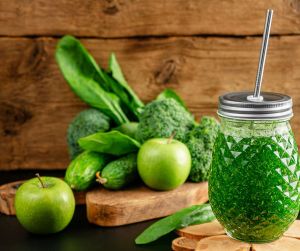
Did you now that your annual blood work can give us clues about the alkalinity of your body?
Curious to learn more about YOU?
Join The Jen Twins, Jennifer Swank and Jennifer Whitmire, for a FREE Masterclass: Uncovering Your Hidden Health: The Power of Blood Chem Results
Click here to register for this Eye-Opening Class.
Find out how nutrient deficiencies can show up in your labs.
Unfortunately, this info isn’t taught in medical school.
- When you look at your report from your blood work and see numbers out of range, that IS a sign. We’ll tell you how to look for trends and what conditions can lead to numbers out of range.
- When your doctor tells you your labs are normal, think about “normal.” The “normal” American is metabolically unwell. The “normal” American is overweight and on multiple prescriptions and takes daily over the counter meds. Do you want to be “normal?”
- We’ll teach you how to examine your blood work, so you can ask for the right tests and be armed with the knowledge to take charge of your health. YOU can be in the driver’s seat of your health! You can make a difference.

 Wholistic Jen
Leave a comment