

By Jennifer Whitmire, MS, MEd, MH, CHES, NEP, Coach
Have you noticed any vision changes? Maybe things aren’t so clear, you notice you need your glasses more often or things are getting more difficult to read? Have you ever wondered how your blood sugar could impact your vision?
Unfortunately, not enough people understand the relationship between blood sugar and vision. Managing blood sugar not only affects your risk for diabetes, it also helps reduce heart disease risk, pain and inflammation in the body, liver health, weight, and so much more.
Have you heard of Retinopathy?
High blood sugar levels can damage the blood vessels in the retina, the light-sensitive tissue at the back of the eye. This can lead to vision impairment and even blindness. There are other things that can lead to vision loss, but blood sugar is a key problem.
Do you know your A1C? If not, find out!
In diabetes, the A1C test is usually conducted every three to six months to monitor blood sugar control over time. It measures the amount of sugar molecules on a red blood cell, and red blood cells live about 2-3 months. The A1C provides an average of your blood sugar levels over the past two to three months.
The risk of developing retinopathy significantly increases with higher levels of A1C. In terms of diabetes, doctors aren’t concerned until A1C is over 5.7, but retinopathy can occur at 5.5. Knowing this number early on can help detect any abnormalities and empower you to take action to prevent eye damage and vision loss.
Sometimes we have to educate our doctors how important these tests are, because many doctors won’t run the A1C without other tests, and this can be too late. For optimal health, we want the A1C to be between 4.8 and 5.2. I have had clients with high blood sugar levels of 5.7, and their doctor refused to test their A1C. I think their vision is worth it, don’t you?
Do you know anyone who has had to have Cataract surgery?
High blood sugar levels over time can lead to changes in the lens of the eye. The eye’s lens receives its nutrients from the aqueous humor, a fluid in the front portion of the eye that provides oxygen and glucose for energy. When glucose levels are high, the sugar levels in the aqueous humor and lens rise. This increase in glucose can cause the lens to swell and affect its clarity of vision. Additionally, glucose in the lens can be converted into sorbitol, a substance that can accumulate and affect the clarity of the lens, ultimately leading to cataract formation. Cataracts can result in blurry vision, changes in color perception, increased glare, and overall vision impairment.
Could Glaucoma Be Related to Blood Sugar?
Glaucoma is the “Silent thief in the night” because it causes very slow vision loss without other symptoms. It is usually only caught during regular eye exams or when vision loss is significant. It is a group of eye conditions that can damage the optic nerve and lead to vision loss. High levels of blood sugar can lead to the abnormal growth of blood vessels in the retina, preventing the drainage of fluid from the eye and causing glaucoma. These newly formed blood vessels can elevate eye pressure, contributing to the onset and progression of glaucoma.

Chronic high blood sugar levels can cause swelling in the macula, the central part of the retina responsible for sharp, detailed vision, as well. This condition, known as macular edema, can result in blurred or distorted vision and may lead to vision loss.
Do You Know and Understand Your Blood Sugar Numbers?
Here are labs that we recommend our clients check to monitor their blood sugar.
Fasting Glucose
This test measures the amount of glucose in the blood after an overnight fast. This is the test that most doctors test annually and use as their guideline for whether further testing is needed. The optimal level for fasting glucose in the U.S. is 75-86. Elevated fasting glucose levels may indicate impaired blood sugar regulation, like prediabetes and diabetes.
Consistently high blood sugar levels can damage the blood vessels in the eyes, increasing the risk of diabetic retinopathy and other vision problems. But, fasting glucose isn’t always the best marker. Stress can cause a high fasting glucose. Were you late getting to the lab? Did you have to wait too long getting your labs? Did the tech have trouble finding the right vein? Did you accidentally drink or eat something in the last 8 hours? All of these can effect this number.
HbA1c
The A1C reflects average blood sugar levels over the past two to three months. It provides valuable insights into long-term blood sugar control and is commonly used to diagnose and monitor diabetes. The optimal level in the U.S. is 4.6-5.3. The American Diabetes Association has it set at less that 7! What?! Remember, retina damage can occur at 5.5.
The A1C is a great marker to have checked a few times a year to get an idea of how well you have been handling your blood sugar for the past few months. Elevated HbA1c levels are associated with an increased risk of diabetic eye diseases, as sustained high blood sugar levels can damage the small blood vessels in the retina.
Fasting Insulin
Measuring fasting insulin levels helps assess insulin sensitivity and pancreatic function. The optimal range in the U.S. is 2-5. High fasting insulin levels often accompany insulin resistance, a condition in which cells become less responsive to insulin’s effects, leading to elevated blood sugar levels. Insulin resistance is a risk factor for eye complications, including diabetic retinopathy and macular edema.
Homeostatic Model Assessment of Insulin Resistance (HOMA2-IR)
HOMA2-IR is a calculation based on fasting glucose and insulin levels, providing an estimate of insulin resistance. Higher HOMA-IR values indicate reduced insulin sensitivity and impaired glucose metabolism, which can contribute to the development and progression of diabetic eye diseases, as well as cardiovascular complications.
Triglycerides
In the U.S., optimal triglycerides are between 70 and 80. Elevated triglyceride levels often accompany insulin resistance and are considered a component of metabolic syndrome which increases the risk of cardiovascular disease and diabetes. High triglyceride levels can impair blood flow to the retina, leading to vision problems such as retinopathy and macular degeneration.

What Nutrients are Key to Helping Us with Vision?
1. Vitamin A: Essential for maintaining good vision, especially in low light conditions. It is a component of rhodopsin, a protein in the retina that helps with night vision.
2. Vitamin C: A powerful antioxidant that helps protect the eyes from damage caused by free radicals. It also supports the health of blood vessels in the eyes.
3. Vitamin E: Another antioxidant that helps protect cells in the eyes from oxidative damage. It may also reduce the risk of age-related macular degeneration (AMD) and cataracts.
4. Zinc: Plays a role in the metabolism of vitamin A and helps maintain the health of the retina. It is also involved in the formation of melanin, a pigment that protects the eyes from harmful UV radiation.
5. Omega-3 fatty acids: Essential for maintaining the structural integrity of cell membranes in the eyes and supporting overall eye health. They may help reduce the risk of dry eyes and AMD.
6. Lutein and zeaxanthin: Carotenoids that act as antioxidants and filters harmful blue light. They are especially concentrated in the macula of the retina and help protect against AMD and cataracts.
7. Selenium: Another antioxidant that helps protect the eyes from oxidative damage. It may also support the health of the lens and reduce the risk of cataracts.
8. Bioflavonoids: Plant compounds with antioxidant properties that may help protect the eyes from damage caused by free radicals. Examples include quercetin, rutin, and anthocyanins.
9. Copper: Important for the formation of melanin and the production of collagen, both of which are essential for maintaining the health of the eyes.
10. Lycopene: A carotenoid antioxidant found in red and pink fruits and vegetables. It may help reduce the risk of cataracts and AMD.
Foods Come to the Rescue!
A variety of foods contain the nutrients essential for optimal eye health. If you have a diagnosis of an eye disease, discuss the supplements mentioned above with your health care team. Some people can get the nutrients they need from food, while others need to supplement to get the therapeutic doses.
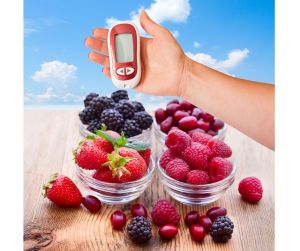
EAT THE RAINBOW with Seeds, Walnuts, and LOT OF LEAFY GREENS!
Incorporate a rainbow of fruits and vegetables into your diet, such as carrots, spinach, kale, bell peppers, sweet potatoes, and berries. These foods are rich in antioxidants like vitamins A, C, and E, as well as lutein and zeaxanthin, which help protect the eyes from oxidative damage and reduce the risk of conditions like cataracts and macular degeneration
Vitamin A is produced from the beta-carotene found in orange, yellow, and many green fruits and vegetables. Sweet potatoes, winter squashes, carrots, spinach, kale, and collard greens are all high in beta-carotene.
Vitamin C is high in citrus fruits like oranges, lemons, and grapefruit, but it is also high strawberries, kiwi, red bell peppers, broccoli, Brussels sprouts, and tomatoes.
Vitamin E is in nuts and seeds (almonds, sunflower seeds), spinach, Swiss chard, avocado, butternut squash, and olive oil.
Zinc can be found in leafy greens, nuts (cashews, almonds), seeds (pumpkin seeds), lentils, and whole grains (oats).
Omega-3s have anti-inflammatory properties that may help prevent dry eyes and reduce the risk of age-related macular degeneration. Omega-3 fatty acids are found in cold-water fatty fish (salmon, mackerel, sardines), flaxseeds, chia seeds, walnuts, hemp seeds, krill, and algae (spirulina, chlorella).
Lutein and zeaxanthin are in leafy greens (spinach, kale, collard greens), peas, Brussels sprouts, and broccoli.
Selenium is high in Brazil nuts, but it is also sunflower seeds, sesame seeds, and whole grains (brown rice).
Bioflavonoids are the brightly colored foods. Citrus fruits (oranges, lemons), berries (blueberries, strawberries), apples, grapes, onions, and green tea are all high in bioflavonoids.
Copper is only needed in small amounts. Zinc, which is also needed, can prevent to the absorption of copper, so not too much of either. Copper is in nuts (cashews, almonds), seeds (sunflower seeds), mushrooms, and leafy greens.
Lycopene is RED. Tomatoes, watermelon, pink grapefruit, guava, papaya, and red bell peppers all contain lycopene, and lycopene is best absorbed when cooked. One of the best sources if tomato paste.
Do you need help preventing or stopping your vision loss or want more help understanding your numbers and getting your blood sugar under control?
The Jen Twins, Jennifer Whitmire and Jennifer Swank, LOVE working with clients to help them get to the root and restore their health. This is our passion AND purpose. If you would like to connect with us to see if we should work together, please click here and choose a time.
#visionhealth, #eyecare, #optimal_eyesight, #eyeexams, #healthyhabits, #eyefriendlyfoods, #digitaleyestrain, #protectiveeyewear, #visualhygiene, #eyesafety
 Wholistic Jen
Leave a comment