

By Jennifer Whitmire, MS, MEd, MH, CHES, NEP
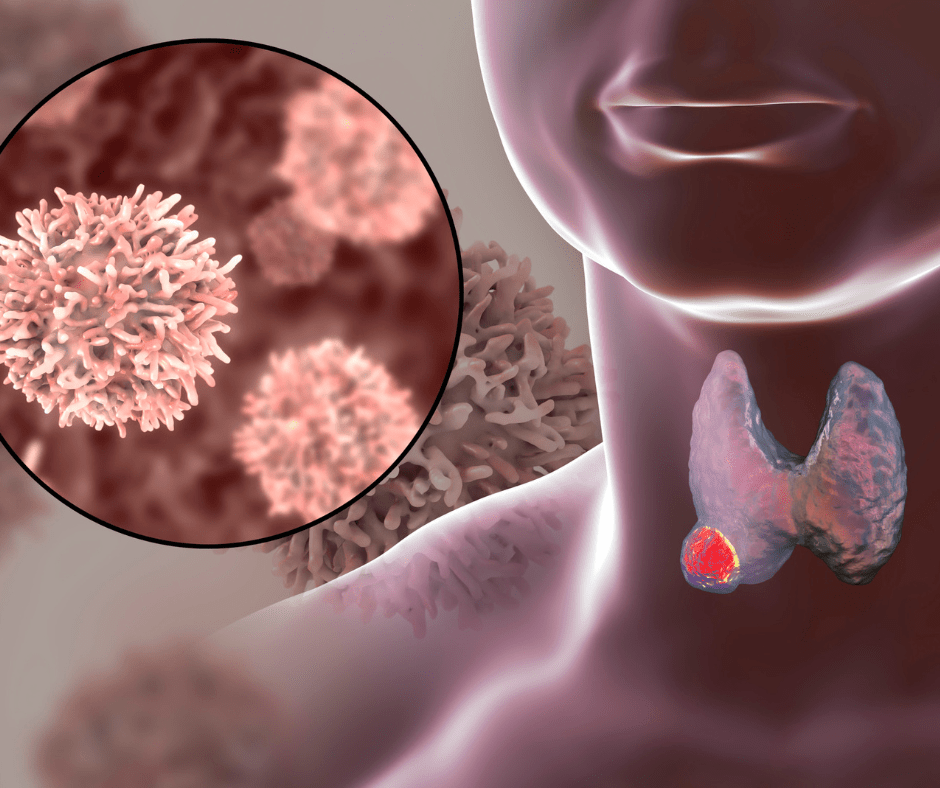
To keep thyroid hormones in balance, you must keep blood sugar in balance. While we usually think of sugar, cakes, and cookies when we discuss blood sugar, there are plenty of non-sweet foods that can affect blood sugar. Blood sugar levels and thyroid hormones are intricately connected with each influencing the function of the other.
Optimal blood sugar levels are necessary for the synthesis and release of thyroid hormones, thyroxine (T4) and triiodothyronine (T3). Thyroid-stimulating hormone (TSH) from the pituitary gland, stimulates the thyroid gland to produce T4 and T3. Fluctuations in blood sugar levels can interrupt this process which leads to imbalances in thyroid hormones.
Most of the thyroid hormone circulating in the body is in the form of T4, which is converted into the active form, T3, as needed. When blood sugar levels are high, insulin, which regulates blood sugar, rises to help escort the sugar out of the blood. This can enhance the conversion of T4 to T3. In insulin resistance, cells become less responsive to insulin which can impair this conversion which leads to lower levels of active thyroid hormones. This can create symptoms of sluggishness and brain fog which are common in thyroid conditions.
Insulin resistance and fluctuations in blood sugar levels can affect the sensitivity of cells to thyroid hormones. The receptors on all cells may become less responsive to the effects of thyroid hormones, even if thyroid hormone levels in the blood are normal. This can contribute to symptoms of hypothyroidism, such as fatigue, weight gain, and sluggish metabolism.
Thyroid hormones are important for regulating metabolism and energy expenditure. They help cells convert glucose into energy, regulate body temperature, and maintain a healthy weight. Imbalanced blood sugar levels can disrupt these metabolic processes interrupting the body’s ability to efficiently use glucose.

What causes fluctuations in blood sugar?
Fluctuations in blood sugar levels can be caused by many factors from dietary choices to physical activity, stress, medications and supplements, hormonal changes, and underlying health conditions such as insulin resistance, inflammation, or thyroid disorders.
We know that eating foods high in refined carbohydrates or sugars can lead to rapid spikes in blood sugar and appropriate physical activity can help regulate blood sugar levels by increasing insulin sensitivity. Over-exercising or not resting between sets can create blood sugar imbalances. Stress and certain medications may also impact blood sugar balance by affecting hormone levels or insulin production. Additionally, hormonal fluctuations, such as those related to menstrual cycles or thyroid function, can influence blood sugar levels.
The primary source of energy for the body’s cells and organs comes from glucose, sugar in the blood. When we eat, our foods are broken down into glucose and released into the bloodstream. The pancreas responds by releasing insulin which helps cells absorb glucose for energy or storage.
Fluctuations in blood sugar levels can occur not only from consuming sugary treats but also from other foods, including non-sweet foods like meats, dairy, and certain carbohydrates. Fluctuations can also occur from stress, poor sleep, eating at the wrong times, inappropriate exercise, … For this article, we are only talking about the food.

What foods don’t taste sweet but can still cause blood sugar problems?
Foods made with FLOURS, even gluten free flours
Breads and pasta are huge culprits. These refined carbohydrates have a high glycemic index, and they can quickly raise blood sugar levels after consumption. Crackers, granola bars, muffins, ….
Potatoes
Potatoes contain starch, which is broken down into glucose and leads to spikes in blood sugar. You can boil, then chill potatoes to change the structure of the starches which can then be less sugar-spiking. You should still avoid potatoes if you have any elevated antibodies or inflammation.
Rice
Similar to bread and pasta, rice is a carbohydrate that can rapidly increase blood sugar levels. Different forms of rice are better than others. White rice and other polished rice like sushi rice will spike blood sugar more than jasmine and basmati. Black, brown, and red rice are a little better, but wild rice is even better. (Wild rice is actually not the same plant).
Processed Foods
Many processed foods, such as crackers, chips, and packaged snacks, contain hidden sugars and refined carbohydrates that can disrupt blood sugar regulation. Look for words that say starch, those can really spike your blood sugar. Potato, tapioca, or corn starch or flours like rice flour or cassava flour/starch.

Fruit Juice
Fruit juice may not taste as sweet as soda, but it contains concentrated sugars that can cause rapid spikes in blood sugar levels even if it is cold-pressed but especially if it is pasteurized. Pasteurized juices have been heated high to prevent the growth of bacteria, but this process also destroys nutrients in the juice making it just flavored sugar water. Cold-pressed juice still contains sugars without fibers, so be careful when consuming fruit juices and juices from sweet vegetables like beets or carrots.
Starchy Vegetables
Vegetables like peas, sweet potatoes, and winter squash contain carbohydrates that can affect blood sugar levels when consumed in large quantities. You may be able to tolerate ½ a sweet potato or ¼ cup of peas with no problems, just test your blood sugar to see how YOU respond.
Yogurt and Non-Dairy Milks
Yogurts are usually a hidden source of sugar, especially flavored yogurts. Unless you make your own yogurt, check the label every single time. I have purchased yogurt and milk that used to be sugar-free but now contains sugar.
Condiments and Sauces
Some condiments and sauces like ketchup, barbecue sauce, and teriyaki sauce, contain sugar and hidden sources of sugar that can affect blood sugar levels. Always read the label.
Look for words like: syrup, sugar (yes, even coconut sugar), juice,
and words that end in -ose among others.
Cereal
Many breakfast cereals, even those marketed as “healthy” or “whole grain,” contain sugars and refined carbohydrates that can spike blood sugar. Your whole grain cereal may have flour listed in the ingredients. Flip over the box and ALWAYS read the label, Every Single Time. Just like the yogurt and milk, manufacturers are always looking for ways to cut costs. They change recipes all the time without changing the front of the box label.
Nut and Seed Butters
Nut and seed butters like almond butter, sunbutter, and even peanut butter can contain added oils and sugars. If you notice that yours tastes really good this time, flip it over and read the label. I’ve been caught with sugar in my sunbutter more than once.
High Protein Foods and Meals
Protein-rich foods, such as meats and dairy products, can affect blood sugar levels. While proteins themselves do not significantly raise blood sugar, the body can convert excess protein into glucose through a process called gluconeogenesis. Therefore, consuming large quantities of protein in one sitting can lead to an increase in blood sugar levels.
Beyond quantity of protein, meat has been shown to raise blood glucose and insulin. Meat is also related to insulin resistance in women. This is one reason that we recommend a Fasting Insulin every time you have your Fasting Glucose and A1C measured.
Dairy
Dairy products can impact blood sugar levels due to their insulinotropic effects. Dairy has a relatively low glycemic index, but it still stimulates insulin secretion. Chronic hyperinsulinemia can lead to insulin resistance. People concerned about blood sugar balancing or insulin sensitivity should limit dairy.
High-Fat Foods
Foods high in fats, mostly saturated fats, can also impact blood sugar regulation. While fats do not raise blood sugar levels, they can delay the absorption of glucose, leading to a slower rise in blood sugar followed by a prolonged period of elevated levels. In short, blood sugar levels stay higher for too long. Diets high in saturated fats have also been associated with insulin resistance.
Certain Carbohydrates
Not all carbohydrates are created equal when it comes to their effect on blood sugar. While refined carbohydrates like white bread and pasta can cause rapid spikes in blood sugar levels, whole grains, fruits, and vegetables contain fiber and other nutrients that slow down glucose absorption keeping blood sugar levels more stable. Because there is no-on-size fits all, some foods may not raise blood sugar for one person but raise it in someone else. That’s why we recommend checking how YOU respond. (Use a glucose meter and check 45 minutes to an hour after meals, every 15 minutes would be even better. Or, use a CGM, continuous glucose monitor. If you live in the states, you can get one here. Outside of the states, you can purchase at your nearest pharmacy.)
Tell me again why I have to watch Blood Sugar for my Thyroid?
Thyroid hormones regulate metabolism, including the breakdown and use of glucose. When blood sugar levels fluctuate too much, it can disrupt thyroid hormone production and activity, leading to symptoms like fatigue, weight gain, and difficulty concentrating.
Imbalances in blood sugar levels, such as insulin resistance and other metabolic disorders, have been linked to an increased risk of developing thyroid disorders like Hashimoto’s and Graves’ disease. Optimizing blood sugar through dietary and lifestyle changes can help support thyroid health and improve overall health.
While sweet foods and food-like things are often the focus of discussions on blood sugar regulation, non-sweet foods also play a role in blood sugar and thyroid health. By choosing nutrient-dense, balanced meals that include a variety of proteins, fats, and carbohydrates from whole foods, we can better manage blood sugar levels and support optimal thyroid hormones.
Where do I begin?
We, The Jen Twins, understand the challenges of living with autoimmune thyroid disease while seeing and teaching clients. We know how frustrating it can be to be an expert in health and nutrition and still struggle with your health! We’re here to help you reclaim your health and balance your health with your business life.
Our personalized approach addresses the root causes of your condition, including adrenal health, leaky gut, liver function, and blood sugar. We look at your current health and health history and use a comprehensive approach to balance all of your systems easily and efficiently.
By working with us, you’ll receive individualized support and guidance tailored to your unique needs. We’ll provide you with the tools and resources you need to restore your health and effectively manage your symptoms along the way.
Our goal is to educate and empower you to make lasting changes that will improve your quality of life and prevent further deterioration of your health while also providing tools you can use to help your clients.
Don’t wait any longer to take control of your health.
Contact us today to schedule a consultation and let’s get started! Together, we can make a positive difference in your life and help you thrive despite this autoimmune thyroid disease.
By Jennifer Whitmire, MS, MEd, MH, CHES, NEP

#BloodSugar, #ThyroidHealth, #NonSweetFoods, #BloodSugarImpact, #ThyroidFunction, #NutritionAndHealth, #BloodSugarRegulation, #DietAndThyroidHealth, #MetabolicHealth, #BalancedNutrition.
 Wholistic Jen
Leave a comment