


By Jennifer Whitmire, MS, MEd, MH, CHES, NEP
If you’ve ever had energy crashes, sugar cravings, or a drop in your blood sugar, you know how blood sugar swings can really make you feel. And, your diet could be playing a bigger role than you think. While so many people focus on reducing sugar or carbs, a possible factor is gluten. Going gluten-free—especially while following a whole food plant-based lifestyle—can be your ticket to blood sugar balance.
A gluten-free vegan diet can support stable blood sugar!
The Gluten-Blood Sugar Connection
Gluten, a protein found in wheat, barley, and rye, can trigger inflammation and gut issues in many people. In fact, Dr. Alesso Fasano, a current Harvard nutrition professor, says gluten creates inflammation in EVERY body.
But did you know it can also impact your blood sugar?
Inflammation and Insulin Resistance – Gluten creates damage that leads to chronic inflammation. Chronic inflammation has been strongly linked to insulin resistance—a key driver of blood sugar imbalances. Chronic inflammation weakens cell receptors which then make it difficult for blood sugar to move into the cells.
Leaky Gut and Autoimmune Reactions – If gluten damages the gut lining (even in those without celiac disease), this allows proteins to pass through the intestinal wall into the blood stream where they do not belong. This can create an immune response as the body senses danger from this “foreign object.” Over time, this reaction can lead to an autoimmune response. This also disrupts hormone signaling, including insulin regulation.

Refined Grains and Blood Sugar Spikes – Many gluten-containing foods like white bread and pasta spike blood sugar quickly which leads to energy crashes. Unfortunately, most people are taught to just swap bread for gluten free bread, crackers for gluten free, and pasta for glutenfree pasta. When I made the switch, those gluten free foods tasted terrible! It was so hard to go GF until I discovered how to replace those foods with real whole foods. These days, those can be a crutch while breaking the bread habit, BUT those are NOT healthy foods!
Gluten free breads, crackers, pasta, etc. are made with highly processed foods. Instead of wheat flour or refined and enriched white flour, most of these products are made with potato starch, tapioca flour, and rice flour which are far from the original product. Rice can cause a blood sugar swing, rice flour causes it to SOAR! Not a good thing.
By removing gluten and focusing on whole, fiber-rich, plant-based foods, you give your body a break from these disruptions.
Whole Food Sources For Gluten Free
It can be a challenge to switch to a gluten free diet free of gluten free breads, crackers, and pastas. Those are comfort foods, and we usually choose them, because that’s what we always had.
–Sick?- have some toast or crackers and ginger ale
–Had a bad day?- have a cookie or a brownie to make you feel better
–Grandma’s house? Holidays? Birthday party? How can you go gluten free then?!

It’s more about breaking habits and trying out new foods.
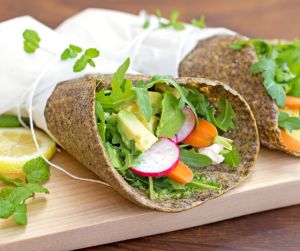
For bread, play around with some grain free whole foods. You can make breads out of Lentils, Buckwheat, or even Quinoa. All of these also give you a boost of protein! I really like to make bread out of nuts and seeds. You can also make a Living Foods bread out of vegetables and seeds. I LOVE a good onion bread. You can even get creative and make “bread” out of jicama.
We teach you how to make breads, crackers, and wraps in our membership, The Zen & Zest Zone, during our monthly cooking classes.
For crackers, I love seed crackers. Mary’s Gone Crackers and Ella’s Flats are great store-bought options, but those are easy to make at home, as well, and you can control the temperature to make sure they aren’t heated to an inflammatory level.
For pasta, I like vegetable pastas. I have a very inexpensive spiralizer, and I make noodles out of zucchini, carrots, beets, squash, radishes, and even sweet potatoes. These give you the look and feel of pasta but with lots of fiber, minerals, and little to no blood sugar swings.
Why a Gluten-Free Vegan Diet is Blood Sugar-Friendly
- High in Fiber – Whole plant foods like leafy greens, lentils, and nuts slow down glucose absorption which prevents blood sugar spikes. The key is the fiber! Gluten free foods made with flours do not have the fiber needed to slow down blood sugar absorption.
- Supports Gut Health – Removing gluten and replacing it with whole plant foods adds fiber and minerals, and if you also add fermented foods (like sauerkraut) it can help nurture a healthy microbiome, which plays a role in insulin sensitivity.
- Eliminates Processed Foods – Foods that contain gluten, from breads, crackers, and pasta to sauces, dressings, pastries, etc. Gluten free can be thought of as “healthy” BUT most contain refined sugars and refined flours which create inflammtion. A whole-food gluten-free approach naturally reduces these inflammatory culprits.
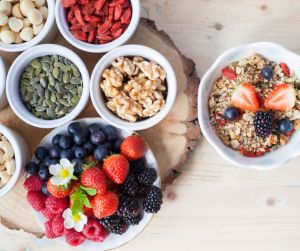
- Balances Hormones – A plant-based diet rich in omega-3s (chia, flax), magnesium (pumpkin seeds, spinach), and herbs (cinnamon, garlic, turmeric) helps regulate insulin and cortisol. These foods also contain vitamins and minerals that are necessary for the mitochondria (your energy system) and microbiome.
How to Make It Work
Making a gluten-free vegan lifestyle work well takes a mix of strategic food choices, nutrient awareness, and delicious meal planning.
1. Understanding Gluten-Free Vegan Nutrition
A gluten-free vegan diet eliminates all animal products and gluten-containing grains like wheat, barley, and rye. The challenge is ensuring you get enough protein, fiber, and essential vitamins.
Key Nutrients to Watch:
- Protein: Lentils, chickpeas, quinoa, hemp seeds, tofu, tempeh, nuts and seeds, and dark leafy greens provide great plant-based protein sources.
- Iron: Leafy greens, lentils, blackstrap molasses, pumpkin seeds, and vitamin C-rich foods to aid absorption.
- B12: Found in some nutritional yeasts but really only in animal products, so supplementation is necessary.
- Omega-3s: Chia, flaxseeds, walnuts, and algae-based supplements help meet your needs.
- Calcium: Tahini, almonds, and leafy greens support bone health.
Balance Your Plate
Include all of the colors of the rainbow and foods high in fiber and healthy fats to keep blood sugar steady.
2. Swap Out Gluten Grains
Gluten-free doesn’t have to mean grain-free! There are plenty of delicious options. (Of course, if you have autoimmune disease, do an elimination diet to see if you can handle other grains-I cannot handle corn).
Instead of wheat and barley, try quinoa, buckwheat, and sprouted legumes for slow-digesting energy. Experiment and try vegetables, nuts, and seeds.
- Whole grains: Millet, teff, amaranth, and sorghum.
- Pseudo grains: Quinoa, buckwheat
- Sprouted grains: Sprouted oat groats and wild rice offer additional nutrients.
- Flours: Almond, coconut, chickpea, buckwheat, and sorghum flours work well for baking and thickening.
3. Meal Planning for Success
A well-balanced gluten-free vegan diet means preparing satisfying, nutrient-dense meals. Here are some ideas:
- Breakfast: Chia pudding, smoothie bowls with hemp seeds, or a tofu scramble with veggies.
- Lunch: Big salads with lentils, avocado, nuts, and a tahini dressing, or a quinoa and roasted veggie bowl.
- Dinner: Zucchini noodles with pistachio pesto, cauliflower and walnut tacos with cabbage slaw, or a eggplant and zucchini lasagna with spinach.
- Snacks: Energy bites, hummus with veggie sticks, or roasted chickpeas.
Watch for Hidden Gluten
Many sauces, dressings, and processed foods contain gluten—ALWAYS READ THE INGREDIENTS on anything that comes in a box or bag. Opt for homemade whenever possible!
4. Prioritize Whole Foods
Build meals around vegetables, nuts, seeds, beans, and gluten-free whole grains to avoid blood sugar crashes. Focus on foods that have fiber and are high in minerals.
Many gluten-free packaged foods are highly processed and contain fillers, starches, and preservatives. Stick to whole, naturally gluten-free foods whenever possible. Read labels carefully to avoid hidden gluten sources.
5. Eating Out & Traveling
Navigating restaurants and travel can be easy with these tips:
- Look for naturally gluten-free, plant-based options like salads, rice and bean dishes, or steamed veggies with legumes like tofu.
- Check menus online for gluten-free and vegan-friendly spots. I like to use the Find Me Gluten Free app.
- Pack snacks like nuts and seeds, protein bars, or seaweed snacks to stay fueled.
6. Making it Delicious
Gluten-free vegan eating doesn’t have to be bland! Use fresh herbs, spices, fermented foods, and creative sauces like tahini dressings, coconut-based curries, or nut-based cheese alternatives.
A gluten-free vegan diet can be a powerful tool for stabilizing blood sugar, reducing inflammation, and improving gut health—all essential for long-term wellness. By choosing whole, nutrient-dense foods, you’ll not only feel more balanced but also experience better energy, fewer cravings, and more sustained vitality.
Make Going Gluten-Free Easy with The Zen & Zest Zone
Switching to a gluten-free lifestyle can feel overwhelming, but The Zen & Zest Zone membership is here to make it simple, delicious, and stress-free. Whether you’re ditching gluten for better digestion, autoimmune support, or overall health, our membership gives you everything you need to transition smoothly.
Inside The Zen & Zest Zone, you’ll get:
✅ Easy & Delicious Recipes – Whole food, plant-based, and naturally gluten-free meals that nourish and satisfy.
✅ Friendly and Fun Food Demos – Learn how to replace gluten-filled staples with healthy, gut-friendly alternatives.
✅ Live Q&A & Support – Get guidance, ask questions, and troubleshoot challenges with expert advice.
✅ Community & Encouragement – Connect with like-minded people who are on the same journey and get the support you need to stay motivated.
No more guessing, no more bland meals—just vibrant, healing foods that make you feel amazing. Join The Zen & Zest Zone and take the guesswork out of going gluten-free!
Ready to get started? Join us today!
 Wholistic Jen
Leave a comment