

By Jennifer Whitmire, MS, MEd, MH, CHES, NEP
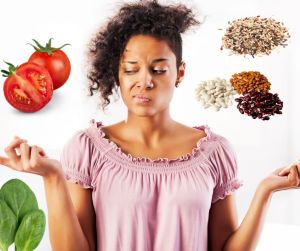
Have you ever felt paralyzed in the grocery store? What can I eat? Is there anything left that won’t hurt me?
Is this tomato in my hand going to hurt me, because they are a nightshade or have lectins? Is it okay to eat something with almonds, because someone on Instagram said oxalates will destroy my kidneys?
“How can she eat all of those beans? Doesn’t she know about lectins?”
You’re not alone. There’s a new kind of anxiety in the wellness world, and it’s spreading fast: food fear.
This fear isn’t irrational—you’re trying to do what’s best for your body and you want to feel better. But when this fear spirals into restriction after restriction, we lose sight of what’s really going on:
Real, whole foods are not the enemy.
We are meant to have natural healing. Our bodies are beautifully designed to heal, adapt, and thrive when we provide the right foods and conditions.
Is It Hypervigilance?
There was a time when an apple was just an apple—crisp, sweet, and a perfect food. It’s the first food we read about in the Bible. Now it’s scrutinized for its sugar content, pesticide residue, and FODMAPs.
Welcome to the age of nutritional hypervigilance, where fear has taken the place of true nourishment.
People are no longer just avoiding junk food; they’re avoiding beans, nuts, seeds, tomatoes, grains, even zucchini. Why? Because of things like lectins, phytates, oxalates, and nightshades. But what gets lost in this avoidance is the context.
These compounds don’t exist in a vacuum—they come packaged in nutrient-dense foods that have fed humans for thousands of years. These nutrients (or anti-nutrients in some circles) protect the plants and even provide antioxidants and DNA protection. We just need to prepare them properly, not extract the chemicals (soy isolate does not equal fresh soybeans aka edamame), and not over-eat them. 10 pounds of kale a day is not a good idea, ever.

Breaking Down the “Food Villains”
In every single class I teach, online and in person, someone says, “I can’t eat that” for nearly every item I present. It can get really frustrating for all of us.
Let’s get into the most common whole-food fears I hear from clients, students, and even fellow practitioners—and why it’s time to look at “the other side.”
1. Oxalates – “Almonds and spinach are trying to kill me”
“I can’t eat almonds, chia, flax seeds, kale, buckwheat, spinach, beets, chard, ….”
Oxalates are natural compounds found in many plants—especially leafy greens, nuts, and seeds. Yes, in very high amounts they can bind to calcium and may contribute to kidney stone formation in those who are sensitive and are missing specific beneficial microbes.
One key bacteria that breaks these down, Oxalobacter formigenes, should be present in a healthy gut, but some species of Lactobacillus and Bifidobacterium also break down oxalates. Here’s the key: those who are sensitive. For most people with a high fiber, balanced diet, eating moderate amounts of oxalate-rich foods is not a problem.
Fear of oxalates has led some people to eliminate incredibly nutrient-rich foods like spinach, beets, berries, seeds, and almonds. These foods not only have oxalates, they are also high in fiber, antioxidants, and plant chemicals that support detoxification, a health microbiome, and even healthy hormonal balance.
If your gut lining is damaged (think leaky gut or intestinal permeability), oxalate sensitivity might show up. But the answer isn’t to permanently ban every oxalate-rich food—it’s to heal the gut and add them back slowly.
2. Nightshades – “I gave up tomatoes, and my pain is gone, so I can’t eat nightshades.”
Nightshades (tomatoes, eggplants, peppers, potatoes) have taken a beating in autoimmune circles. They are excluded on the AIP diet. It’s true that for a small group of people—especially those with joint pain—nightshades may trigger symptoms. But for most people, they’re not only safe, they’re healing.
Tomatoes are high in lycopene which supports the heart, skin, prostate, and reduces oxidative stress. Peppers are my favorite source of vitamin C! Cutting these foods out without a clear reason can do more harm than good in the long run by reducing nutrient diversity.
3. Lectins – “No Beans. No Grains. Danger! Danger!”
The anti-lectin movement has scared so many people away from beans, lentils, and grains—foods that are key for longevity diets around the world. Lectins are proteins found in most living things, but we don’t have to stop eating! Proper, traditional prep and cooking methods like soaking, sprouting, fermenting, and cooking reduce their levels drastically.
Unless you’re eating raw kidney beans by the bowl (please don’t), the lectins in properly prepared foods are unlikely to be a problem. What’s more concerning is cutting out fiber-rich, prebiotic foods that feed the beneficial gut microbes and lower inflammation.
If beans are giving you digestive trouble, it’s much more likely to be a microbiome issue—not a lectin issue.
Let’s balance the microbes, heal the gut, then very slowly add beans back in to increase those gut “bugs” that love these foods.
4. Phytates – “Grains and nuts are stealing my minerals and hurting my bones”
Phytates do bind to minerals like zinc, iron, and calcium which is why they’re labeled as “anti-nutrients.” But they are also antioxidants and protect against cancer and kidney stones.
Most of us are not deficient in minerals because of phytates. We’re deficient because of poor digestion, poor absorption, or low intake of vegetables in general.
Again, soaking, sprouting, and/or fermenting neutralizes most phytates. And if you have leaky gut, it’s not the phytate’s fault—it’s the barrier function of your gut that needs attention.

We Are ALL Unique – Your Body, Your Healing Path
Here’s the nuance we desperately need in these conversations: we’re all different. Your best friend might thrive on lentils (I do), and you might get bloated from a tablespoon. (Or they cause your blood sugar to spike where mine stays stable).
Maybe walnuts make your throat itchy, but pecans and almonds are fine. That doesn’t mean no one should eat walnuts or everyone should avoid all nuts.
One person’s trigger food might be another person’s healing food.
The real key is to listen to your body while also working to heal the root causes—like intestinal permeability, microbiome imbalance, or adrenal stress—that are making you sensitive in the first place.
If it’s not an allergy, the goal needs to be to fix the root cause, repair, and add the item back in. We SHOULD be able to eat all real whole foods barring an allergy or genetic predisposition.
Restriction Isn’t Healing
You might feel better just by removing the food. I can’t tell you how many testimonials I have received from clients who went carnivore, and all their prayers were answered. Or, they cut out all oxalates and are suddenly the spokesperson for a no oxalate diet.
Removing a food might bring temporary relief, but it’s not the same as healing.
True healing means you can add those REAL foods back in. (I’m not talking about processed foods). And… all of those clients who went carnivore or no oxalate came back a year later sick, again. Only this time it’s a more complicated situation, because now they’re sick with nutrient deficiencies. (It is SO difficult to heal a leaky gut AND meet nutrient needs at the same time).
When your gut is healed, your immune system is regulated, and your microbiome is balanced, you should be able to eat a wide variety of whole foods again. The goal is to grow your food list—not shrink it forever.
And let’s not forget the emotional toll of living in fear of food. Fear of food can create anxiety, and it makes it nearly impossible to go out to eat with friends and family or even to go to a dinner party.
But What About Gluten and Dairy?
I do believe there are two foods that are best left out permanently if you have autoimmune markers or antibodies—and that’s gluten and dairy.
Both gluten and dairy are associated with intestinal permeability, immune activation, and systemic inflammation.
Even if you don’t have Celiac disease, gluten can increase zonulin production, which opens the tight junctions in the gut lining. That’s a big problem for anyone trying to reverse autoimmunity and/or stay in remission.
Dairy, especially from conventional cows (and dairy that has been pasteurized), contains proteins that are highly inflammatory for many people and often cross-react with gluten. It’s also a mucus-producing, insulin-spiking food that does not support hormone balance in most of the clients I see.
In my practice, removing gluten and dairy is usually the single biggest needle mover for people with autoimmune thyroid disease, joint pain, fatigue, and skin issues. It’s not about fear—it’s about facts and patterns we see in clinical experience.
Your Food Fear Might Actually Be a Gut Clue
Instead of asking, “What food should I cut out next?”—what if we asked, “Why am I reacting to this in the first place?”
Reactions to healthy whole foods often point to:
- Leaky gut (intestinal permeability)
- Low stomach acid or digestive enzymes (hint! That reflux is NOT from high stomach acid. It’s a sign that you are not properly digesting proteins).
- SIBO (small intestinal bacterial overgrowth)
- Candida or fungal overgrowth
- Mold exposure
- Parasites, gut pathogens, an imbalanced microbiome
- Chronic stress or cortisol dysregulation
And the good news? These can be fixed. Functional labs can help us get to the root causes, and personalized nutrition, herbs, and lifestyle adjustments can begin the rebuilding process. When the gut heals, foods no longer cause stress.
Why We Need To Focus On Diversity
Whole foods are not just calories—they are information. They carry vitamins, minerals, phytochemicals, and fibers that communicate with our cells and our genes.
-They tell the gut lining to rebuild
-They signal the immune system to calm down
-They feed the trillions of microbes that protect us
When we avoid entire categories of real food, we rob our body of the nutrients it needs to thrive.
Diversity in our food builds resilience. It strengthens the immune system, enhances the microbiome, and provides the essential building blocks for hormones, mental clarity, energy, and even detoxification.

How to Reintroduce Whole Foods
If you’ve been avoiding foods out of fear or past reactions, here’s how to begin stepping back into fueling your body:
- Heal First – Focus on healing the gut lining with nutrients that you get from food (NOT supplements). We want to increase foods high glutamine, zinc, collagen-builders, and vitamin A like beans, peas, rice, dark leafy greens, nuts, and seeds, and soothing herbs like marshmallow root, calendula, and slippery elm.
- Test, Don’t Guess – Use functional labs like GI-MAP, Gut Zoomer, or organic acid tests to really look at possible gut imbalances and immune responses. I love going through these with my clients! It’s like a puzzle, and we can really see what’s going on inside.
- Start Small – When the time is right, add back one food at a time, in a planned manner, starting with small amounts and tracking your symptoms. Don’t rush it!
- Prepare Properly – Soak your nuts, soak and sprout your legumes before cooking properly, soak, sprout, and ferment your grains. Traditional methods are powerful for healing!
- Support Digestion – Use enzymes, bitters, or herbal teas to enhance digestion and ABSORPTION. Chew your food well and eat in a relaxed state. Really be mindful of your chewing and aim for 30+ chews after each bite.
- Work With a Practitioner – You don’t have to do this alone. A functional nutrition practitioner or herbalist can guide you step-by-step. I’m both! Certified as a Nutrition Endocrinology Practitioner, Master Herbalist, and even a Board Certified Health Educator. I would LOVE to help you get to the ROOT and heal yourself!
Real Food Is Not the Enemy
We’ve made food so complicated. But food is simple. It’s meant to nourish, restore, and connect us. Nature didn’t make a mistake when she gave us beans, nuts, and vegetables. These are not the enemy.
Yes, avoid the ultra-processed garbage. Yes, steer clear of foods that trigger true allergies or immune reactions. Yes, skip gluten and dairy if you have an autoimmune diagnosis (or ANY diagnosis). But don’t be afraid of tomatoes because of a blog post or almonds because of a podcast.
Let’s stop micromanaging nature and start working with her. Let’s focus on building a resilient, vibrant, nourished body—one that can enjoy a rainbow of whole foods without fear.
Ready to Heal, Not Just Avoid?
Inside our membership group, we teach you how to cook, how to prepare foods to maximize nutrients and increase absorption. From cooking classes/food demos to workshops to functional nutrition education—we give you the tools and community support to optimize your health.
Join us now and take the first step toward food freedom.
 Wholistic Jen
Leave a comment