

By Jennifer Whitmire, MS, MEd, MH, CHES, NEP
I Thought I Had Healed My Gut, But My Labs Told Me Otherwise
In my last post, I talked about my surprise at find out I had an active Epstein-Barr Virus (EBV) infection, but that wasn’t the only thing my labs revealed. My Gut Zoomer, the same stool test I first ran back in 2022, still showed elevated zonulin.
If you’re not familiar, zonulin is one of the most well-studied markers for what we call “leaky gut” or intestinal permeability. And guess what?! I’ve been working on my gut for years. I’ve been gluten-free for over a decade. I make my own ferments. I eat my rainbow salads. I meditate and do my Qi Gong daily. I even drank all the gut-healing teas for months. And still, my gut lining isn’t fully sealed.
News flash! Healing leaky gut isn’t a quick fix or a once and done. If you’ve been doing all the things but your symptoms or labs don’t show it, it’s not your fault. You haven’t failed. You’re just getting feedback. If symptoms come back, it’s a sign that you need to go back to the basics.
This is exactly why I run labs regularly and re-check labs.
Why does leaky gut happen? Why does it linger sometimes? What I’m doing now for better healing?
What Leaky Gut Really Means
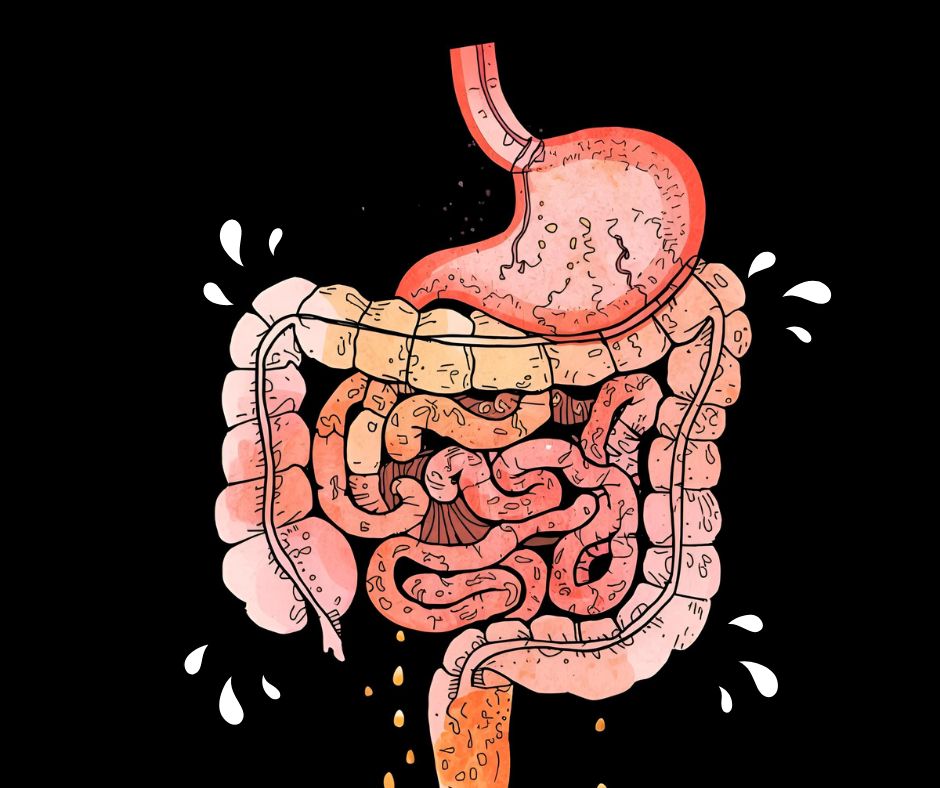
Your gut isn’t just an open tube that food travels through. It’s a highly selective barrier system. The lining of your small intestine is only one cell thick, held together by tight junctions. These junctions decide what gets through into your bloodstream (nutrients, amino acids, vitamins) and what stays out (bacteria, toxins, undigested proteins).
When those tight junctions loosen from proteins like zonulin, the gut becomes “leaky.” Suddenly, things that don’t belong in your bloodstream start sneaking through. Your immune system sees them, panics, and goes into high alert.
Over time, this chronic immune activation can lead to autoimmunity, inflammation, fatigue, and food sensitivities.
This isn’t woo woo or made up. Elevated zonulin, lipopolysaccharides (LPS), calprotectin, and secretory IgA on stool or blood tests are all evidence that the barrier is compromised. And in my case, high zonulin showed me I still have work to do.
Why Gut Healing Takes Time (and Can Stall)
So why does leaky gut sometimes persist, even when you’ve cut gluten, sugar, processed foods, and you meditate like a champ?
Here are some things I see in myself and in my clients:
- Food sensitivities you don’t feel. My Grain Zoomer showed I’m reacting to rice, quinoa, and buckwheat. These are foods I never felt sensitive to. On the inside, they were triggering inflammation. Sometimes the “healthy” foods we lean on most are the very ones holding healing back.
- Chronic stress. Even with daily qi gong and meditation, stress hormones like cortisol can weaken the gut lining. Stress is sneaky! I’s not just the big crises, but also the everyday pressures of work, family, and even working on health itself.
- Hidden infections. For me, EBV is one piece of the puzzle. My previous test showed parasites, so I’m glad those are gone. For others, it may be SIBO, candida overgrowth, or parasites. These infections can keep the immune system fighting for too long and the gut barrier unstable.
- Environmental toxins. Pesticides, plastics, heavy metals, flame retardants in the mattress, shampoos, make-up, and even chlorine in drinking water can irritate the gut lining. Our environment plays as big a role as food.
- Medications. NSAIDs (like ibuprofen), antibiotics, acid blockers, and even some antidepressants can affect the gut barrier.
We can’t just focus on doing that one thing right or following a leaky gut protocol. We have to uncover the layers of stressors and triggers unique to you.
Healing the Gut
Healing leaky gut depends on consistency. Here are the pillars I keep coming back to (and tightening up after my recent labs):
1. Food First
Removing triggers is key. For me, gluten has been out for over 10 years and corn for 3, and now rice, quinoa, and buckwheat are off the table. (I also had a Grain Zoomer which showed those are causing an immune response).
For you, it might look different. The goal isn’t to remove these foods forever. We have to calm the immune system long enough for the gut to repair.
Instead of thinking, “I can’t eat…” I focus on all of the fabulous foods I do get to eat!
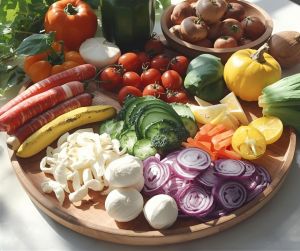
- Lots of colorful vegetables for phytonutrients and fiber
- Sprouted seeds and legumes
- Daily ferments (starting small with like 1 Tablespoon sauerkraut, which can be more effective than a whole jar once a month)
- Smooth, soothing foods like blended soups and smoothies when the gut feels more reactive
2. Nutrients That Seal and Soothe
Some nutrients are like building blocks for the gut lining.
- Zinc supports tight junction integrity
- Vitamin D regulates immune responses in the gut
- Glutamine fuels enterocytes (the gut lining cells)
- Polyphenols from berries, green tea, and herbs reduce inflammation
- Omega-3s help calm gut and systemic inflammation
Important note: MORE IS NOT BETTER! For example, my selenium and vitamin D came back too high, so testing is crucial. Don’t just throw supplements at your gut. AND, glutamine can cause excitability and anxiety in some people. So while it can be helpful, go low and slow before taking a full dose and realizing it was a mistake.
3. Fiber Diversity
Your microbiome thrives on variety. I aim for 30+ different plants per week. Each type of fiber feeds different species, and a diverse microbiome = a stronger gut lining.
At the market, check your cart before you checkout. Is it full of all of the colors, AND are there at least 30 different plants for you to eat this week?

4. Ferments & Probiotics
I’ve found that small, consistent doses of ferments work better than the occasional probiotic pill. Sauerkraut, kimchi, coconut kefir, or unsweetened coconut yogurt can all help reseed the microbiome. Making your own is best! You can control the environment and all of the ingredients.
We have recordings from our fermentation classes in the digital library of the Culinary Healing Circle membership.
5. Stress Reset
This one is non-negotiable. I’ve meditated every day for nearly a year, and while it hasn’t “cured” my gut, it has kept my nervous system from derailing healing altogether. Qigong, breathwork, journaling, and even laughter are powerful medicine for the gut. Find something to do every day to make sure you are resetting and allowing your body a break from stress.
6. Sleep & Rest
The gut repairs most during deep sleep. That means bedtime routines, circadian rhythm alignment, and sometimes saying no to late-night work or Netflix.
What to Watch For in Your Own Healing Journey
Signs that your gut may still be leaky include:
- Food sensitivities that keep multiplying
- Autoimmune flare-ups without clear food triggers
- Bloating, gas, or abdominal pain after meals
- Fatigue that you can’t shake
- Skin rashes or breakouts
- Brain fog or mood swings
Testing can help confirm what’s going on. Functional stool testing (like Gut Zoomer, GI Effects, …), zonulin levels, and even nutrient panels can give you a clearer picture. But your symptoms matter, too. Never ignore what your body is trying to tell you.
My Next Steps
So what am I doing now?
- Cutting out rice, quinoa, and buckwheat completely for the next 3–6 months
- Doubling down on daily ferments and fiber diversity
- Reassessing my nutrient levels. Am I taking the right supplements for me at this time?
- Prioritizing rest and continuing my daily meditation practice
- Keeping an eye on EBV reactivation and its interplay with my thyroid and gut
Healing the gut is a dance of removing what harms and adding what heals over and over until the balance tips toward repair.
The Takeaway
If your gut hasn’t healed yet, you still have some learning. Every test result, every flare, every unexpected reaction is feedback guiding you toward what your body needs next.
And you don’t have to do it alone.
Join the Culinary Healing Circle
If you’re reading this and wondering how to finally take back control of your gut and your health, I’d love to invite you into the Culinary Healing Circle. It’s a supportive community where food truly becomes medicine.
Inside, you’ll learn how to:
- Make anti-inflammatory, family-friendly meals that everyone will enjoy
- Heal a leaky gut and use food strategically to help reverse disease
- Get your questions answered in our monthly Q\&A and open coaching sessions
- Practice stress management through Qigong, balancing both body and mind
- Connect with a family of like-minded people who are walking the same healing journey
Your body has an incredible capacity to repair when you give it the right tools. Let’s do it together.
Check out the Culinary Healing Circle today and start creating the health (and life) you deserve.
 Wholistic Jen
Leave a comment