
By Jennifer Whitmire, MS, MEd, MH, CHES, NEP
Inside your body lives an entire ecosystem.
Right now, roughly 39 trillion microbes are living in and on you. That number is hard to imagine, but these tiny organisms are doing work that is essential for your survival.
Your microbiome helps break down food, supports the immune system, produces vitamins, assembles amino acids, and even creates neurotransmitters like serotonin, dopamine, GABA, and norepinephrine. These microbes help maintain the integrity of the intestinal lining and influence everything from metabolism to mood.
When the microbiome is balanced and diverse, it supports health in the background. When that balance is disrupted, inflammation can rise and the gut barrier can weaken. This imbalance is called dysbiosis, and it is often associated with intestinal permeability, commonly called “leaky gut.”
Chronic low-grade inflammation that begins in the gut has been linked to many modern diseases, including obesity, diabetes, autoimmune disease, inflammatory bowel disease, and even certain cancers.
Your gut microbes play a much larger role in health than most of us were taught growing up.
What Does It Mean When the Microbiome Is “Out of Balance”?
Your microbiome is a living ecosystem. Like any ecosystem, it works best when there is diversity and balance.
Some microbes help produce nutrients and regulate inflammation. Others can become problematic when they grow out of proportion.
A useful way to think about it is the balance of a natural environment. In nature, every species has a role. Predators keep populations in check. Plants support herbivores. When one species becomes extinct, the system can become unstable.
The microbiome works in a similar way.
We need enough beneficial microbes to keep potentially harmful species under control. Even microbes we often think of as “bad” have a role when they exist in the right balance. The goal is not to eliminate all of the microbes like what happens when we take strong antibiotics that kill our beneficial “gut bugs.” The goal is equilibrium.
When beneficial microbes are depleted, several things can begin to happen:
*Nutrients are not produced or absorbed efficiently.
*Toxins may accumulate or move where we don’t want them.
*The intestinal lining becomes more vulnerable.
*Inflammation begins to increase.
These changes can lead to disease development.

The Gut, Inflammation, and Chronic Disease
When we combine genetics, chronic stress, environmental toxins, and poor nutrition, we create conditions that can push the microbiome out of balance. When that ecosystem changes, the effects don’t stay confined to the gut. Scientists are now finding connections between microbiome imbalance and many of the chronic illnesses we see today, including type 2 diabetes, heart disease, inflammatory bowel disease, autoimmune disease, bone loss, neurological disorders, and even certain cancers.
What happens in the gut rarely stays in the gut.
For those of us with genes that increase risks toward chronic illness, paying attention to gut health becomes especially important. Supporting the microbiome is one of the most powerful ways we can influence our health.
Signs Your Gut Microbiome May Be Struggling
Many signs of microbiome imbalance show up, before disease is diagnosed.
Common clues include:
- Digestive issues
- Food sensitivities
- Seasonal allergies
- Asthma
- Skin rashes
- Bloating or indigestion
This is the body waving the white flag to let us know that the gut ecosystem needs attention.
Unfortunately, many aspects of modern life work against microbial diversity. Highly processed foods, environmental toxins, antibiotics, chronic stress, and even disinfectants can disrupt microbial balance. This is why focusing on foods and activities that help the gut are such an important part of preventative and functional medicine.
The microbiome is constantly responding to the environment around us. Our food, medications, stress levels, and even the chemicals we encounter in daily life all influence which microbes thrive and which ones begin to disappear. When beneficial microbes decline and inflammatory species become more dominant, the gut ecosystem starts sending different signals to the rest of the body.
Over time, those signals can influence digestion, immune balance, and inflammation.

Eat the Rainbow: Diversity Feeds the Microbiome
One of the most powerful things we can do for the microbiome is simple.
Eat all the colors and a wide variety of plant foods.
Every microbial species requires different nutrients. When we eat a diverse range of plants, we provide the compounds needed to support a diverse microbial community.
Whole foods are especially important. When foods are processed, many of the fibers, phytonutrients, and protective compounds are lost.
Whenever possible, eat foods in their natural form. That means fruits, vegetables, grains, nuts, seeds, and beans with as much of the edible skin or peel intact as possible. Many valuable nutrients are concentrated in the outer layers of plants. The peels of potatoes, carrots, tomatoes, and cucumbers contain fiber, polyphenols, and micronutrients that microbes use as fuel.
Rotating foods is also helpful. Instead of eating the same greens every week, switch between spring lettuces, cabbages, spinach, kale, chard, romaine, or collards. This small change feeds different microbial species and helps prevent the body from becoming sensitive, or overly reactive, to a narrow set of foods.
Interestingly, agricultural diversity has decreased dramatically. Studies suggest that roughly 66% of global crop production now relies on only nine plant species, with rice, wheat, and corn dominating the food supply. That’s NOT diversity.
Increasing the variety of plants we eat can help restore some of the diversity our microbiome needs.
Fiber: The Primary Fuel for Your Microbes
Fiber is one of the most important nutrients for microbiome health, and most people do not come close to the recommended daily intake of fiber. The current recommendations suggest 25–35 grams of fiber per day, yet roughly 95 percent of Americans don’t meet that target.
Fiber is not just important for digestion. It is the primary fuel source for beneficial microbes.
When gut bacteria ferment fiber, they produce compounds called short-chain fatty acids, including butyrate. These compounds help reduce inflammation, strengthen the gut lining, improve nutrient absorption, and influence metabolism.
ONLY plant foods contain fiber. Animal products do not. Many processed foods also have their fiber removed.
Resistant Starches and Prebiotics
Certain fibers are particularly beneficial for the microbiome. Resistant starches feed beneficial microbes and help produce short-chain fatty acids. These include foods such as:
- Green bananas
- Plantains
- Jerusalem artichokes
- Cooked and cooled rice
- Lentils
- Beans and peas
Prebiotic fibers also help fuel beneficial bacteria. Good sources include onions, garlic, asparagus, chicory root, artichokes, mushrooms, oats, and psyllium.
When beneficial microbes are well fed, they protect the gut lining and help maintain microbial balance. When fiber intake is too low, bacteria begin consuming the protective mucus lining of the intestines instead which can lead to intestinal permeability.

Fermented Foods and the Microbiome
Fermented foods have supported human health for thousands of years. Foods like yogurt, kimchi, miso, and sauerkraut contain beneficial microbes (the good bugs) that can help replenish the microbiome.
Many commercial fermented foods are pasteurized or contain only a limited number of bacterial species. Traditional fermentation methods provide a broader range of microbes.
Preparing fermented foods at home can be a wonderful way to support microbial diversity. It is also a reminder that supporting the microbiome does not require supplements or extreme diets. Returning to traditional food practices that have supported human health for generations is a simple way of just going back to the basics.
Factors That Disrupt the Microbiome
The microbiome begins developing at birth and continues evolving throughout life. Many factors shape that development. The way we are born, whether vaginally or by cesarean section, influences the microbes we first encounter. Breastfeeding provides another early source of beneficial bacteria and nutrients that form the gut ecosystem.
As we grow older, antibiotics, medications, stress, environmental toxins, and diet all influence microbial diversity. Some microbes are resilient and recover quickly, but others disappear more easily when conditions change.
Even everyday exposures can influence microbial balance. Disinfectants, chlorine in drinking water, and using antibacterial products can reduce microbial populations. In some cases, the most resilient organisms are the ones that remain, and those are not necessarily “the good ones.” When antimicrobial products eliminate large portions of the microbial population, the more resilient pathogens may survive and multiply, before beneficial microbes recover.
Over time, these small pressures accumulate and gradually change the microbial ecosystem living inside us.
The Microbiome and Autoimmune Disease
One of the reasons the microbiome has become such an important area of research is its relationship to autoimmune disease.
About 70% of the immune system is in and around the digestive tract. That means the microbes living in the gut are constantly interacting with immune cells. Every meal we eat and every fiber molecule that reaches the colon, becomes part of that interaction.
When the microbiome is diverse and balanced, those signals regulate immune activity. Beneficial microbes help train immune cells to recognize the difference between harmless exposures and real threats. They also produce compounds that strengthen the intestinal lining and help regulate inflammation.
When microbial diversity declines, the signals change. A disrupted microbiome is often associated with increased intestinal permeability and higher inflammatory signaling. Instead of maintaining a strong barrier between the digestive tract and the bloodstream, the gut lining can become more reactive and more permeable. When that happens repeatedly, food proteins, bacterial fragments, and inflammatory compounds enter circulation more easily.
The immune system responds the way it is designed to respond. If that reaction continues over time, the immune system can remain activated longer than it should. This chronic activation is one of the patterns researchers observe in autoimmune conditions.
Scientists are now studying these connections in diseases such as rheumatoid arthritis, multiple sclerosis, inflammatory bowel disease, and autoimmune thyroid disease. While the microbiome is rarely the only factor involved, it appears to influence how the immune system interprets the environment it is working in.
For those of us living with autoimmune disease, this means the gut ecosystem matters more than we once realized.
The foods we eat, the fiber we consume, the diversity of plants on our plate, and the overall environment we create inside the body all shape that ecosystem. Over time those choices influence microbial diversity, immune signaling, and inflammation.
The encouraging part of this research is that the microbiome is not fixed. It responds quickly to the way we live and the foods we eat.
Supporting Beneficial Microbes
Some of the most studied beneficial microbial groups include Akkermansia, Lactobacillus, and Bifidobacteria. These microbes are associated with improved gut barrier function, reduced inflammation, and better metabolic health.
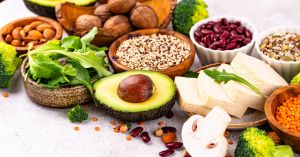
Foods that support these microbes include All plants! But especially:
- Berries
- Nuts
- Beans
- Seeds
- Fiber-rich fats like Olives and artichokes
- Artichokes
- Herbs and spices like peppermint and cloves
Beyond food, time outdoors also plays a role. Contact with soil microbes, fresh air, sunlight, and daily walks can positively influence microbial diversity.
Relaxation practices such as meditation and stress management also support gut health through the gut-brain connection.
Becoming Friends With Your Microbiome
Your microbiome is mysterious, because we are only beginning to understand how deeply it influences human health. The encouraging news is that the microbiome responds quickly to positive changes.
Eating a diverse array of plants, increasing fiber intake, reducing processed foods, managing stress, and spending time in nature all support microbial balance.
Small changes, repeated consistently, build over time.
When we feed the microbiome intentionally, we are not just feeding microbes. We are supporting the systems that keep us healthy.
Do You Need Help Restoring Your Gut Health?
If you are struggling with digestive issues, inflammation, autoimmune disease, or unexplained fatigue, your microbiome may be part of the picture.
Inside The Culinary Healing Circle, we focus on practical ways to support gut health through nutrient-dense foods, microbial diversity, and sustainable lifestyle practices.
If you would like to learn more about restoring balance in your microbiome and improving your health from the inside out, you can explore the program here:
 Wholistic Jen
Leave a comment