
Embracing WFPB Eating and the Art of Meal Prepping
By Jennifer Whitmire MS, MEd, MH, CHES, NEP
In our fast-paced lives, it’s all too easy to reach for unhealthy convenience foods when we’re stressed or short on time. However, there is a game-changing solution that can help you embrace a Whole Food Plant-Based (WFPB) eating lifestyle and make nourishing meals a breeze: meal prepping. Meal prepping can be the key to incorporating more vegetables and whole foods into your diet. Get ready to transform your cooking experience and embark on a journey from chaos to culinary bliss!
Why should I eat WFPB?
Whole Food Plant-Based eating revolves around consuming minimally processed foods derived from plants, such as vegetables, fruits, whole grains, legumes, nuts, and seeds. It emphasizes the importance of nutrient-dense, fiber-rich foods that promote optimal health and reduce the risk of chronic diseases. By embracing WFPB eating, you nourish your body with an abundance of vitamins, minerals, antioxidants, and phytochemicals while reducing your intake of unhealthy fats, cholesterol, and artificial additives.
How does meal prepping help with WFPB eating?
Meal prepping is a powerful tool for those embracing a WFPB lifestyle. It allows you to take control of your meals, ensuring that nutritious, plant-based options are readily available, even during busy or stressful times. By dedicating a small amount of time each week to meal prep, you can streamline your cooking process, save time, and make healthier choices effortlessly.
What does meal planning do?
Meal planning plays a vital role in successful meal prepping. It allows you to create a roadmap for your WFPB meals, ensuring that you have a variety of plant-based recipes ready to go. Take some time to sit down and plan your meals for the week ahead. Consider your schedule, holidays and special events, and nutritional goals when selecting recipes. Aim for a balance of flavors, textures, and nutrients. Make a detailed grocery list based on your meal plan to ensure you have all the necessary ingredients on hand.
Why do I need to write a specific grocery list?
Creating a grocery list after planning your meals for the week is a smart and efficient approach to grocery shopping. By taking the time to plan your meals in advance, you have a clear idea of the ingredients you need, which helps you avoid impulse purchases and unnecessary items. Writing a grocery list based on your meal plan ensures that you have all the necessary ingredients on hand, saving you time, money, and reducing food waste. It also helps you stay organized and focused while shopping, making the process smoother and more enjoyable. With a well-prepared grocery list, you can confidently navigate the aisles, stick to your intended purchases, and maintain a healthier and more balanced diet. So, take a moment to plan your meals, jot down your grocery list, and experience the convenience and benefits of this simple but effective strategy.
What happens if I find a really good deal or something exciting at the store that is not on my list?
Before I buy it, I decide how I’m going to use it. Can I incorporate this ingredient into the meals I already have planned? Can it be swapped for something else on the list. Can another meal be pushed to the next week without the ingredients spoiling first? It is important to make sure that you don’t buy the “treasure” and then waste your other purchases.
What do I do if I have extras after I do my meal prep? I don’t want to waste this produce!
For my June produce, I make zoodles and squash noodles, and zucchini lasagna noodles. I might make a squash soup to go with my lunches. I add extra greens to my smoothies and smoothie bowls, I chop greens really small and add them to soups, salads, even rice, and dressings. I sauté extra veggies to boost the nutrition in other dishes, and I make veggie burgers to have on-hand in the freezer. And I roast extras. It’s amazing how quickly you can use up a bunch of kale just making kale chips.
But I don’t have time to cook like you do!
I work 70 hours a week, drive my child to something different just about every day, and have 2 8- week old puppies. Time is NOT my friend right now. BUT, I am a planner. As long as I do a little meal prep every day, I can stay ahead of the game. AND, I do like to make extras to keep in the freezer. I like to have veggie burgers and granola already made up in the freezer and dressings, yogurts, nut milks, and sauces always ready in the fridge.
Here is My Meal Planning/Prep Schedule:
Monday: List-making Day! Spend 1 hour creating the grocery list with my calendar (plan around school and extra events) and recipes. I save recipes from Instagram, Pinterest, Facebook, etc during the week and use them to inspire me when I’m writing my grocery list. I include what I am going to eat for breakfast, lunch, and dinner, and anything “Special” I may want to make for birthdays, holidays, friends, etc.
Tuesday and Wednesday: Edit grocery list and have family members add and edit. Make a dressing and/or sauce as others are used up. Refill the Everyday Salad bowl.
Thursday: Grocery Shop
Friday: Soaking Day. Soak nuts, seeds, grains, and beans. Friday night make yogurt and anything that needs to go into the dehydrator overnight.
Saturday: Cook beans and grains for the week and make all of the sauces and dressings for the week.
Sunday: Chop all of the vegetables and prep anything remaining.
What do I buy?
When grocery shopping for WFPB meal prepping, focus on fresh produce, whole grains, legumes, and nuts and seeds. Select a vibrant assortment of vegetables and fruits, choosing organic options when possible and making sure you get at least one thing from each color of the rainbow. Opt for whole grains like brown rice, quinoa, or organic oat groats, which provide essential nutrients and fiber. Stock up on legumes such as beans, lentils, and chickpeas or frozen green peas and edamame, which are versatile and rich in protein. If you want to buy foods that are not in season, check the freezer section. Frozen foods are picked at their peak, so they can be a better choice as far as nutrition goes than foods that have been picked too early and shipped thousands of miles. I like to buy frozen berries and other fruits that are out of season. I also buy frozen peas and greens for soups and stews, and even frozen chopped avocado for smoothies.
Buy in bulk!
We love to buy protein powder and nuts and seeds in bulk at Sprouts. We only buy foods we know we’ll eat in bulk! And we make sure that we have a way to store them once they are home to keep them fresh. We have a separate freezer for storing nuts and seeds, flours like almond and coconut flour and pre-made desserts and snacks and things like granola.
We also buy oat groats and organic soy beans online and in bulk.
Simplifying WFPB Meal Prep:
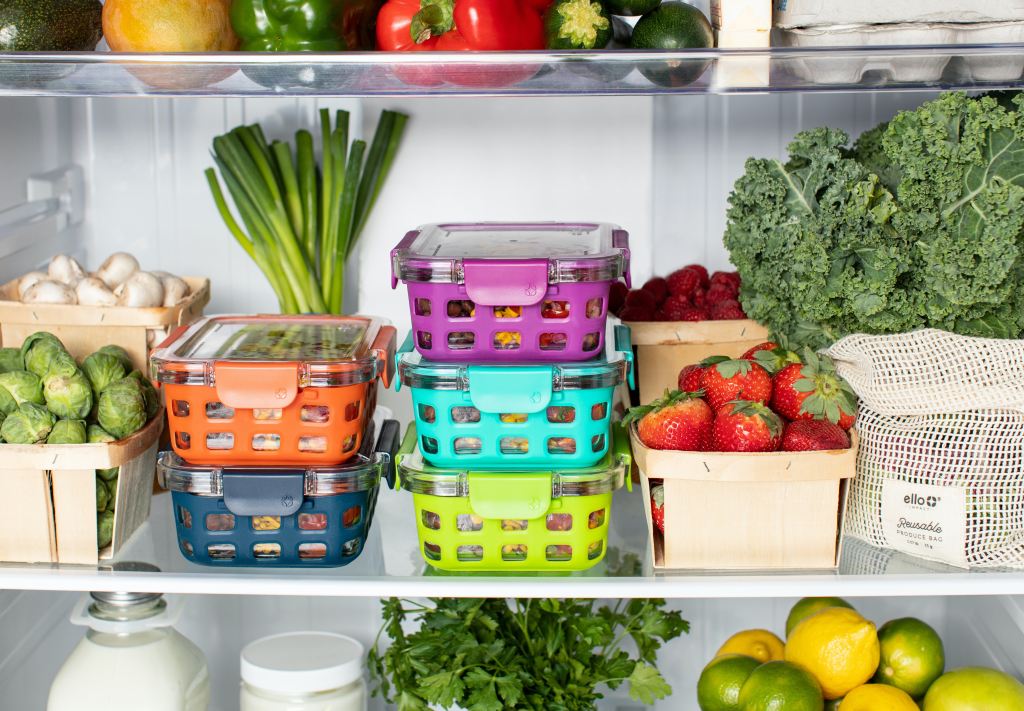
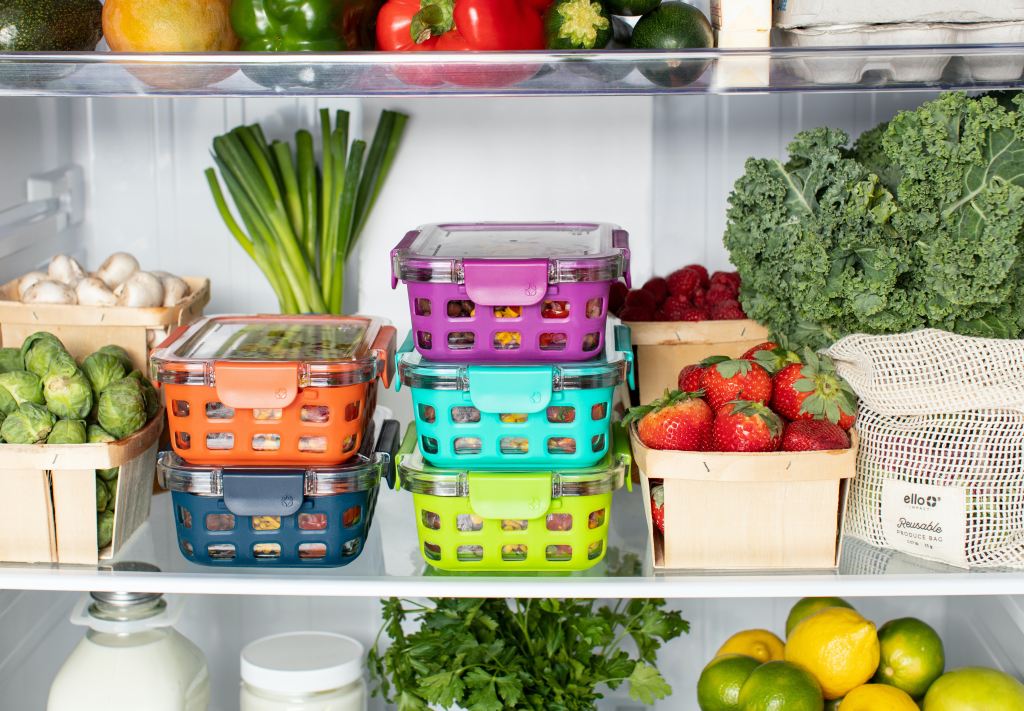
- Prep vegetables in advance: Wash, chop, and store vegetables in portioned containers or mason jars for easy access during meal prep. You’ll be surprised at how quickly kids will grab these brightly colored veggies when they’re already chopped and ready to eat.
- Cook in batches: Prepare large quantities of grains, legumes, and roasted vegetables that can be used in various recipes throughout the week. I cook all of my “grains” and beans on Saturday and plan to eat them early in the week.
- Use freezer-friendly containers: Freeze leftover soups, stews, or sauces in portioned containers for quick and convenient meals on busy days. And use ice cube trays! If I open a jar of applesauce or a can of pumpkin, I spread the remaining in an ice cube tray to freeze for later.
- Embrace one-pot and sheet pan meals: Simplify cleanup by cooking complete meals in a single pot or on a sheet pan, incorporating an array of vegetables, whole grains, and plant-based proteins. Just chop your vegetables on Sunday. When you’re ready, mix a few of the vegetables on a baking sheet lined with parchment paper and roast. Serve over a sweet potato or “grain” with one of your dressings or sauces.
Meal prepping is the art of nourishing your body with whole, plant-based foods while simplifying your daily cooking routine. By incorporating WFPB eating into your meal prep regimen, you can provide yourself and your family with nutritious and delicious meals, even during hectic times. Embrace the power of meal prepping, make the most of your fresh, seasonal produce, and elevate your cooking game to new heights.
In the fast-paced world we live in, finding time to cook healthy and delicious meals can often feel overwhelming. That’s where meal prepping comes in. By dedicating a few hours each week to plan and prepare your meals in advance, you can regain control over your nutrition and simplify your cooking process. With the power of WFPB eating and the art of meal prepping, you can transform chaos into culinary bliss.
So, let’s embark on this journey together. Embrace the power of WFPB eating, simplify your cooking routine through meal prepping, and experience the transformative benefits of nourishing your body with whole, plant-based foods. Say goodbye to chaos and hello to culinary bliss!
Do you need help meal planning and prepping? Schedule a time to see if we should work together. Click here and select Discovery Call.
 Wholistic Jen
Leave a comment