

By Jennifer Whitmire, MS, MEd, MH, CHES, NEP
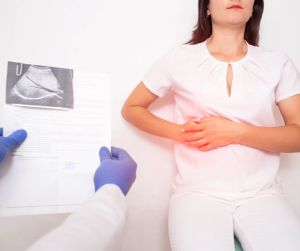
Imagine your body as a finely-tuned system, with various components working in unison to maintain your health. In this intricate system, two key players that appear to be completely unrelated are the thyroid and the gallbladder, and they have a unique connection.
The thyroid, like a master regulator, oversees your metabolism and hormone levels, while the gallbladder, a vital part of your digestive system, stores and releases bile to facilitate fat digestion.
What’s fascinating is how these apparently unrelated organs can affect each other. An imbalance in one can send ripples through the other. Thyroid issues can impact your gallbladder’s health, and vice versa. This knowledge is akin to understanding how the different parts of your body’s mechanism work together, revealing unexpected ways they can influence your overall well-being.
The Thyroid: A Vital Player
Your thyroid gland’s primary role is to meticulously manage your body’s well-being by finely tuning your metabolism, the intricate set of chemical processes that keep everything functioning smoothly.You have two prominent hormones: thyroxine (T4) and triiodothyronine (T3).
These hormones direct a wide array of body functions. They set your basal metabolic rate, controlling your body’s energy expenditure at rest. This includes essential functions like breathing, blood circulation, and temperature regulation. In essence, these hormones manage your body temperature, weight, and even the rhythm of your heartbeats.
Yet, these thyroid hormones are more than metabolic conductors. They also have a say in your emotional state, vitality levels, and the growth and development of your body’s cells and tissues. Think of them as diligent overseers, ensuring that the different processes within your body work together harmoniously.
However, like any meticulous overseer, your thyroid isn’t immune to challenges. It sometimes faces issues, resulting in two common thyroid disorders. Hypothyroidism occurs when the thyroid doesn’t produce enough hormones, causing a slowdown in your body’s functions. This unwelcome guest brings along fatigue, weight gain, and a sense of gloom in SOME people.
On the other hand, hyperthyroidism arises from an excess of thyroid hormones, causing your body to go into overdrive. Symptoms for SOME people include rapid weight loss, anxiety, and a racing heart.
Understanding these thyroid disorders is essential because they not only affect the thyroid itself but also set off a chain reaction that influences other organs and systems, even forming an unexpected connection to gallbladder health.
The Gallbladder’s Function
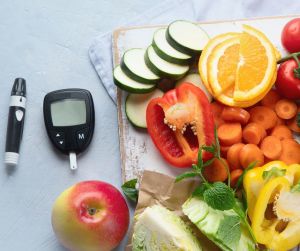
Let’s shed some light on the often-overlooked gallbladder, an unsung hero in our digestive system. Nestled beneath the liver, this unassuming organ plays a crucial role in processing the fats in our diet.
At its core, the gallbladder’s star function revolves around bile, a digestive fluid that’s a true champ when it comes to breaking down dietary fats. Now, bile, this yellowish-green liquid, is a real mix of bile salts and other essential compounds.
Here’s the twist: the liver is the producer of this vital fluid, but instead of releasing it directly into our digestive tract, it’s dispatched to the gallbladder for storage and controlled release.
Here’s the play-by-play: After a meal, especially one high in fats, the gallbladder steps in. It contracts and sends a concentrated burst of bile into the small intestine. Think of bile as a powerful detergent. It emulsifies those fat globs, breaking them down into manageable, bite-sized pieces. This process is the ticket to unlocking the energy and nutrients inside the fat molecules, making it possible for enzymes to do their work.
Like any well-oiled machine, the gallbladder isn’t without its hiccups. One common glitch is the formation of gallstones. These little pebble-like deposits form when there’s an imbalance in the components of bile, typically involving an excess of cholesterol. Gallstones can be quite a pain, literally. They can obstruct the flow of bile and lead to intense pain, known as a gallbladder attack.
Then there’s cholecystitis, which involves inflammation of the gallbladder. It often plays out due to the presence of gallstones or, sometimes, bacterial infections. This condition can pack both pain and danger, especially if left untreated.
It’s crucial to wrap your head around these gallbladder issues because they can throw a wrench in the digestive process and have far-reaching effects on your overall health. And, as we’ll soon uncover, the connection between gallbladder health and the thyroid is more intricate than you might imagine.
The Thyroid-Gallbladder Connection
The connection between your thyroid and your gallbladder might not be immediately apparent, but it’s a captivating interplay that has a substantial impact on your overall health. At the center of this relationship is the thyroid hormone, a powerful regulator that not only affects your metabolism but also plays a crucial role in the functioning of various vital organs, including your gallbladder.

Thyroid Hormones And Bile Production
Thyroid hormones control the pace at which our cells consume energy, impacting various aspects of our physiology, from our body temperature to our heart rate. Now, how does this connect to the gallbladder, you might wonder? Well, here’s the intriguing part: thyroid hormones also have a say in the production of bile.
More specifically, thyroxine (T4) prompts the liver to produce bile salts, a fundamental component of bile. These bile salts play a crucial role in the digestion process by emulsifying fats, essentially breaking them down into smaller, more manageable pieces. This action is essential because it enables enzymes to access the fat molecules, extracting the energy and nutrients contained within them. When your thyroid hormone levels are in harmony, this intricate process functions seamlessly, ensuring efficient digestion and absorption of dietary fats.
Thyroid Disorders And Gallstone Formation
When the thyroid gland isn’t functioning as it should, it can lead to various health issues. For instance, when the thyroid is underactive, a condition known as hypothyroidism, it doesn’t produce enough hormones. Now, you might wonder, how does this relate to the gallbladder? Well, it’s all about the production of bile salts.
Bile salts are essential for breaking down fats during digestion. In hypothyroidism, the production of these bile salts can be compromised. This leads to imbalances in the composition of bile, resulting in an excess of cholesterol. Here’s where it gets interesting: an excess of cholesterol in bile is a key factor in the formation of gallstones.
On the flip side, when the thyroid is overactive, a condition known as hyperthyroidism, it can also impact gallbladder health but in a different way. In hyperthyroidism, the gallbladder becomes more active, contracting more frequently than usual. While this might initially seem beneficial, it can actually pose a risk for gallstone formation. The frequent contractions can prevent the gallbladder from emptying correctly, creating conditions favorable for the development of gallstones. So, as you can see, the thyroid’s influence on the gallbladder is a delicate balance, and imbalances in either direction can increase your risk of gall stones.
Impact on Gallbladder Motility
In cases of hypothyroidism, where the thyroid is sluggish, the gallbladder tends to contract more slowly. This sluggishness can lead to a condition called stasis, where bile accumulates and thickens in the gallbladder. It’s like creating the perfect conditions for gallstones to form.
On the other hand, in hyperthyroidism, when the thyroid is overactive, it revs up gallbladder contractions. However, this can backfire because the gallbladder becomes a bit too enthusiastic, and it struggles to empty properly. This inefficiency can also increase the risk of gallstone development.
Risk Factors for Gallbladder Issues in Thyroid Patients
If you have a thyroid condition, whether it’s an underactive thyroid (hypothyroidism) or an overactive thyroid (hyperthyroidism), there are some factors you should be aware of that could increase the chances of gallbladder problems.
1. Women are more likely to develop gallstones than men, and thyroid disorders, which affect women more often, can raise this risk.
2. Gallstones become more common as you get older, especially after 40. Since thyroid disorders can happen at any age, as you grow older, the chances of having both thyroid and gallbladder issues increase.
3. Thyroid problems can sometimes lead to unexplained weight changes. Rapid weight loss, which often occurs in people with thyroid conditions, can lead to the formation of gallstones. This happens because it can disrupt the balance of cholesterol and bile salts in the gallbladder.
4. Both thyroid disorders and pregnancy can affect how the gallbladder works. If you’re pregnant and you have a thyroid issue, you should be especially careful because the hormonal changes during pregnancy can make gallstones more likely.
Knowing these factors and understanding how your thyroid and gallbladder are connected is important if you have a thyroid condition. It puts you in a better position to take steps to keep your gallbladder healthy and manage any related problems effectively.
Common Symptoms of Thyroid and Gallbladder Issues
Fatigue:
Unexplained and persistent fatigue is a common symptom in thyroid disorders, especially hypothyroidism, and can leave you feeling tired and drained.
Weight Changes:
Whether you’re experiencing unexplained weight gain (common in hypothyroidism) or unexpected weight loss (typical in hyperthyroidism), it can be an indication of thyroid problems. These changes can happen regardless of your diet and physical activity.
Mood Swings:
Thyroid disorders can affect your mood, leading to feelings of depression, irritability, and anxiety.
Temperature Sensitivity:
Feeling excessively cold or overheated, even in comfortable environments, can be a sign of thyroid dysfunction.
Skin and Hair Changes:
Dry skin, brittle nails, and hair loss are common in thyroid conditions.
Muscle and Joint Discomfort:
Muscle weakness, aches, and joint pain can occur in both hypothyroidism and hyperthyroidism.
Menstrual Irregularities:
Women with thyroid issues may experience changes in their menstrual cycles, including heavier or irregular periods.
Abdominal Pain:
Pain in the upper right or center of the abdomen, particularly after meals, is a key indicator of gallbladder problems. This pain, known as biliary colic, can be intense and may radiate to the back or shoulder blades.
Nausea and Vomiting:
Gallbladder problems can lead to nausea and, in some cases, vomiting.
Indigestion:
Frequent indigestion, bloating, and discomfort, especially after consuming fatty or greasy foods, may suggest gallbladder trouble.
Changes in Stool:
Light-colored or clay-colored stools can indicate a lack of bile in the digestive process, which is common in gallbladder dysfunction.
Jaundice:
Yellowing of the skin and eyes, called jaundice, can occur if gallstones block the bile ducts.
Fever and Chills:
Infections of the gallbladder (cholecystitis) can lead to fever and chills.
Managing Thyroid and Gallbladder Health
Maintaining optimal thyroid and gallbladder health is essential for overall well-being. Fortunately, there are various strategies to help manage these vital organs and minimize the risk of associated problems.
Consume a well-balanced diet abundant in nutrients essential for thyroid function. Key nutrients include iodine, selenium, zinc, and iron. Foods like nuts, seeds, sea vegetables, and greens are valuable supporters of thyroid health.
Implement stress-reduction techniques into your daily routine, such as mindfulness, meditation, yoga, or deep breathing exercises. Chronic stress can have adverse effects on thyroid function.
Engaging in consistent physical activity can contribute to a healthy metabolism, closely linked to thyroid function. Aim for a minimum of 150 minutes of moderate-intensity exercise each week.
Prioritize restorative sleep, as insufficient sleep can disrupt hormone regulation. Aim for 7-9 hours of quality sleep each night.
Consider integrating foods known for their thyroid-supportive qualities into your diet. These may include seaweed, Brazil nuts (rich in selenium), and spinach (a source of iron).
Gallbladder-Friendly Habits:
Focus on incorporating healthy fats found in avocados, omega-3 rich seeds like chia, flax, and hemp, olives, and cold-water, fatty fish. A diet high in fiber, with an abundance of fruits, vegetables, and high in greens, can promote gallbladder health. Reduce the risk of gallstones by maintaining a diet low in saturated and trans fats.
Staying well-hydrated is crucial in preventing gallstones. Make it a habit to drink an ample amount of water throughout the day.
Practicing mindful portion control during meals is beneficial. Overindulging, especially in high-fat meals, can burden the gallbladder and contribute to gallstone development.
Achieving and sustaining a healthy weight can reduce the risk of gallbladder issues. If necessary, strive for gradual and sustainable weight loss.
Regular physical activity supports overall digestive health, including gallbladder function. Blend cardiovascular and strength-training exercises into your routine for comprehensive benefits.
Nutrition for Thyroid and Gallbladder Health
Your diet wields substantial influence over the well-being of both your thyroid and gallbladder. Here’s how specific foods can impact these crucial organs and what you should consider including or avoiding to promote their health.
Foods to Be Cautious About:
Unhealthy Fats: Saturated and trans fats have the potential to foster gallstone formation by elevating cholesterol levels in bile. Steer clear of items like deep-fried foods, processed snacks, and fatty meat cuts.
Large High-Fat Meals: Extensive, high-fat meals can trigger gallbladder contractions, possibly leading to gallbladder discomfort, particularly if you’re prone to gallstones. Mindful portion control is advisable.
Refined Sugars and Carbs: Diets rich in sugary and refined carbohydrate fare can provoke fluctuations in blood sugar levels, affecting thyroid function. Eliminate sugary snacks, white bread, flours, and sweetened drinks.
Foods to Nourish the Thyroid and Gallbladder:
Iodine-Enriched Foods: Iodine is vital for the production of thyroid hormones. Include iodine-rich items in your diet, such as sea vegetables.
Selenium-Rich Sources: Selenium is pivotal for thyroid function and assists in reducing thyroid gland inflammation. Add foods like Brazil nuts and sunflower seeds to your meals.
Fiber-Rich Choices: A diet rich in fiber fosters gallbladder health by promoting regular bowel movements and reducing the risk of gallstone formation. It also feeds the healthy flora of your gut and help to bind to excess cholesterol. Consume abundant plant foods like fruits, vegetables, and whole grains.
Healthy Fats: Opt for wholesome fats found in avocados, seeds, olives, fatty fish (abundant in omega-3 fatty acids), and nuts. These fats provide support to both your thyroid and gallbladder health.
Ample Hydration: Staying adequately hydrated is fundamental for preventing gallstones. Aim to consume an ample volume of water throughout the day.
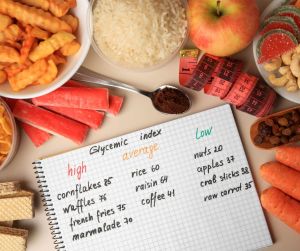
Low-Glycemic Choices: Prioritize low-glycemic-index foods like nuts, seeds, and non-starchy vegetables and low-glycemic fruits to maintain stable blood sugar levels.
A Wholistic Approach
Maintaining a diversified, balanced diet that encompasses a broad spectrum of nutrient-rich foods is paramount in supporting both your thyroid and gallbladder health. Moderation and portion control are crucial, especially for individuals with a history of gallbladder concerns.
If You Need Help Nourishing Your Thyroid and Gallbladder: Join Our 14-Day Cleanse
Are you concerned about the health of your thyroid and gallbladder? Do you find yourself searching for ways to support these vital organs and enhance your overall well-being? Look no further. We have an upcoming opportunity that might be just what you need.
Introducing the 14-Day Cleanse – Starting October 23, 2023
Our 14-Day Cleanse is designed to help you take charge of your thyroid and gallbladder health. If you’re wondering whether this cleanse is a good fit for you, consider the following:
Thyroid and Gallbladder Support: This cleanse is meticulously crafted to provide your body with the nutrients and care these essential organs require. From nourishing recipes to expert guidance, we’ve got you covered.
Seeking Renewed Vitality: If you’ve been feeling sluggish, fatigued, or have noticed unexplained changes in your weight, this cleanse can help rejuvenate your energy levels and potentially address some of these concerns.
Wanting to Shed Extra Pounds: Excess weight can be a burden on your thyroid and gallbladder. Our cleanse offers you a chance to kickstart your journey to a healthier weight and improve overall metabolism.
Aiming for Better Digestive Health: Your gallbladder plays a pivotal role in digestion. If you’ve been experiencing digestive discomfort, bloating, or indigestion, this cleanse can help optimize your digestive processes.
Seeking Comprehensive Wellness: Our 14-Day Cleanse isn’t just about the thyroid and gallbladder. It’s a holistic approach to well-being.
You can also expect improvements in sleep, mood, skin health, and more.
What You Can Expect:
– Throughout the cleanse, you’ll receive expert guidance from healthcare professionals who have been there! This approach is what they used to recover from their own thyroid and gall bladder conditions.
– Delicious Recipes: Say goodbye to bland diets. Our program offers a variety of nourishing and tasty recipes that support your cleanse journey.
– Community: You won’t be on this journey alone. Connect with others who share your goals and experiences, creating a supportive community that encourages success.
– Education: Gain valuable insights into the connections between nutrition, lifestyle, and thyroid and gallbladder health. Understand how your choices impact these organs.
– Transformation: Over the course of 14 days, you’ll embark on a transformative journey toward better health, vitality, and well-being.
Take the First Step:
If you’re ready to invest in your thyroid and gallbladder health, mark your calendar for October 23, 2023, and join us for this empowering 14-Day Cleanse. It’s an opportunity to nourish your body, revitalize your organs, and embrace a healthier you.
Click here to register and embark on this exciting journey to improved thyroid and gallbladder health. Your well-being is worth it, and we’re here to guide you every step of the way.
#Thyroid, #GallBladder, #ThyroidHealth, #GallBladderHealth, #ThyroidDisorders, #GallStones, #ThyroidFunction, #BileProduction, #ThyroidDiet, #GallBladderIssues

 Wholistic Jen
Leave a reply to Is the Thyroid Involved in NAFLD? – Wholistic Jen Cancel reply