

Look at me! Pay attention to me! Warning, something is Wrong!

By Jennifer Whitmire , MS, MEd, MH, CHES, NEP
I grew up along the water, off the Georgia coast, and a flare was used in times of danger. A flare was needed if your boat got stuck on a sand bar or broke down out in the marsh, or even worse, out in the ocean. We see people use flares in the movies when they are stranded on an island and are trying to get attention. It is literally a distress signal.
An autoimmune flare is your body crying out for help. You are not giving it what it needs, and you need to stop and pay attention, or you will definitely pay the price. That price could be pain, weight changes, rashes, or even vision loss or disability. For me, my flares used to be anxiety, but since I had “treatment,” mine are more associated with pain and weight. For my Jen Twin, hers was extreme fatigue.
Autoimmune flares can catch us off guard. They confuse us and leave us puzzled about what is going on. Recognizing the signs before you get is flare can save a lot of time and frustration.
From heightened fatigue to joint pain, understanding if you’re in an autoimmune flare is the first step toward getting back to “you” again.
What are they?
An Autoimmune flare is another way of saying a relapse. When most of us hear the word, “relapse” we usually think of someone who has gone back to a bad habit that they’ve given up. An autoimmune flare occurs when the immune system goes back to attacking its own tissues after you’ve been feeling great. This attack triggers inflammation, leading to a range of symptoms depending on the organ or system under attack, and it can often take a while to get back under control.

What causes them to happen?
Understanding the triggers behind autoimmune flares is key to helping you stop them for good. Factors such as stress, infections, toxins, inflammatory foods, and hormonal changes can provoke and aggravate the immune system. Discovering your unique genetic predispositions and environmental influences provides insights into the root causes of these flares. These environmental elements can stimulate the immune system and contribute to the reactivation of autoimmune responses.
Fluctuations in hormone levels, particularly in women, can influence the occurrence of autoimmune flares. Events such as pregnancy, childbirth, or menopause, which involve significant hormonal shifts, may impact the immune system and contribute to flare-ups.
Persistent inflammation within the body creates an environment conducive to autoimmune flares. Conditions like obesity, unhealthy dietary habits, and chronic infections can sustain an inflammatory state, potentially exacerbating autoimmune responses.
Alterations in medication, including changes in dosage or discontinuation, can influence the stability of autoimmune conditions. Abrupt shifts in treatment plans may disrupt the delicate balance achieved during periods of remission, potentially leading to flares.
Stress is a known trigger for autoimmune flares. Chronic stress can negatively impact the immune system, contributing to inflammation and an increased risk of flare-ups. Effective stress management strategies are crucial for mitigating this risk.
For one person it may be an exposure to mold from a leaky faucet that has been dripping water behind the wall or under the floor. For another, it may be undereating while overexercising. You know, “To lose weight, you have to eat less and exercise more.”
For someone else, it may be from eating foods that are not right for them. We’ve all heard that someone with celiac disease cannot eat gluten, but many scientific studies show that anyone who is inflamed, aka has an autoimmune flare, cannot eat gluten. For some people it’s nightshades or histamines or dairy.
Or, maybe it’s the late night binges or the sugar habit? And for some people it is burning the candle at both ends. Those people who are always aiming to please and have trouble with setting boundaries and setting aside time for self-care.
For me, my trigger is lack of self-care, not setting boundaries and not getting rest. I have the self-care things I always do. You’ve heard me say that I prioritize my sleep. I have a strict sleep hygiene schedule that involves turning down the lights, turning off cell phones and computers, bedtime tea, and legs up the wall with a warm, wet compress on my eyes. BUT…when a family member needs me halfway across the country yesterday, I skip the sleep and jet off or drive with my heart racing. With days filled with zoom meetings, I don’t even have to cancel my meetings. I can just travel across time zones and see clients without anyone knowing, except my body.
My body knows. And it tells on my every time. It usually begins with what I call, “heavy legs.” Where I used to be able to go for a quick 5k run, the thought of running for 5 seconds feels impossible. Then I get the puffy face. If you see my face looking puffy, tell me to slow down and take a day off. Then I get weepy and moody. That’s usually when I sit up and notice. You’d think that I would see it coming after all of these years. My mom always said she could tell when I was coming down with something because I would just cry. It’s still true today.

How long do they last?
There is no way to tell how long an autoimmune flare will last, and factors like the type of autoimmune condition, individual health, and how quickly the trigger is identified and removed. To restore health, we have to identify what caused the flare and unravel, or peel back the layers, to return to our individual set-point.
For me, I have to first recognize that I’m not taking time for me.
First I check my diet. Have I started letting bad habits slip back in? Poor blood glucose balance is a BIG trigger for a lot of people! Am I eating late at night? Am I snacking? Am I sneaking in sweet treats? How is my body handling sugar?
Once I make sure that I’m not having blood sugar swings and my blood sugar is in a good range when I wake up, I look at the rest of my diet. Am I eating any inflammatory foods? I do a simple elimination diet for a week or so to see how my body reacts.
I also look at my stressors. I know that my schedule and type A personality are usually at the root of my problem, so I check my sleep. Am I letting things get in the way of my sleep schedule? Do I need to cut back my evening hours? It’s difficult to tell a client you cannot meet with them that late when they are handing you money, but I have to set boundaries to stay well.
I cut back on my to-do list and only do what is absolutely necessary. I ask other family members to cook dinner, prep breakfast the night before, and make sure they’re doing their part as far as household chores go.
As you can see just cutting back and making these changes can take a month or so. Luckily our bodies are pretty resilient. As soon as I start making changes, my body starts changing, too. I don’t know how long it has been hanging on while I kept “pushing through,” but it’s probably going to take that long to get back to my set point.
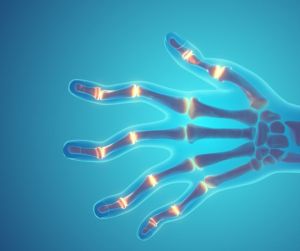
If someone is in remission for 10 years, could they still experience an autoimmune flare?
Even after a decade of remission, the possibility of experiencing an autoimmune flare remains. Autoimmune conditions involve periods of remission and reactivation. Understanding the factors that may lead to a flare, or resurgence of symptoms, after a prolonged remission is important. You must know your triggers and recognize when you’re trending towards another flare.
The key to avoiding an Autoimmune Flare is self-care!
Self-care includes EVERYTHING you do for yourself.
What are you feeding YOU? How are you moving your beautiful body? Are you staying hydrated? Are you giving your body time to rest and recover from day to day stressors, from your workout, from your last meal, from that stressful job, from that late night holiday party?
Self-care in terms of stress management involves intentional actions and practices aimed at promoting mental, emotional, and physical well-being, particularly in the face of stressors.
Mindfulness Practices
What does mindfulness mean to you? Engaging in mindfulness activities, such as meditation or deep breathing exercises, to cultivate awareness of the present moment helps in reducing stress and promoting a sense of calm. BUT only if it feels good to you. What can you do to bring about calm in your life? Your mindfulness practice may not look anything like mine, and that’s okay.
Healthy Boundaries
Setting and maintaining healthy boundaries in personal and professional life includes learning to say no when necessary and prioritizing your own health. Set aside time for YOU every day and learn to say no to the things that don’t feel good to you. Listen to your own intuition. If your body gets tight or you get headaches every time you go to do a specific thing, that’s a sign that it is not right for you.
Physical Activity
Incorporating regular physical activity into the routine, whether through exercise, yoga, or other forms of movement is known to reduce stress hormones and enhance mood. It is so important to find the movement and activity that feels good to you. If it takes you 2-3 days to recover from a workout, it’s not right for you and your body right now.

Adequate Sleep
Prioritizing sufficient and quality sleep is crucial for overall well-being and plays a significant role in managing stress levels. When we don’t get enough quality sleep, our blood sugar and our hormones get out of whack creating inflammation, mood swings, etc.
Healthy Nutrition
Nourishing the body with a balanced and nutritious diet can positively impact mood and energy levels, contributing to stress resilience. Make sure that you are providing the body with plenty of vitamins, minerals, and essential amino acids and fats to keep hormones in balance and all of your body systems moving optimally.
Social Connection
Cultivating supportive relationships and maintaining social connections by sharing thoughts and feelings with others can provide emotional support during stressful times. Connect in person whenever possible but these days you can connect with people with similar interests online. I love connecting with my Jen Twin pretty much daily on zoom, and she lives all the way on the other side of the U.S. I also connect weekly with my Mastermind group who lives in the UK, Canada, and various places in the U.S. and my podcast partner who lives another state away.
Creative Outlets
Engaging in activities that bring joy and fulfillment, whether it’s a hobby, creative expression, or simply spending time in nature contribute to stress relief and a sense of purpose. Find something to do each day that brings you joy. Maybe that’s pausing to listen to beautiful music, singing, sewing, playing the piano, or being creative in the kitchen. Do what you love.
Time Management
Effectively managing time and priorities to reduce feelings of overwhelm and setting realistic goals and breaking tasks into manageable steps can alleviate stress associated with deadlines and responsibilities. Find ways to structure your time into realistic blocks AND give yourself some scheduled breaks.
In essence, self-care in stress management is about proactively investing time and energy into activities that foster resilience, enhance coping mechanisms, and promote a balanced and healthy lifestyle. It’s a personalized approach that focuses on YOU and that acknowledges the importance of taking care of yourself.
I hope you never have to deal with autoimmune flares, but if you do, you must recognize that you are unique. You need a personalized approach and a personalized commitment to self-care. Identify YOUR triggers, whether they be environmental, dietary, or rooted in stress. As you go through this journey of unraveling what is going on, remember that self-care is not an indulgence but a vital investment in you. Each step towards mindfulness, healthy boundaries, nourishing nutrition, and other self-care practices contributes to building resilience against autoimmune flares.
If you need guidance in gaining control over your autoimmune flare, I’m here to help. Schedule a time with me here, and let’s work together to bring you back to a state of balance and well-being.

#AutoimmuneFlares, #RecognizingSymptoms, #HealthAndWellness, #MindfulPractices, #BalancedNutrition, #QualitySleep, #HealthyBoundaries, #PhysicalActivity, #SocialConnections, #Resilience, #WellBeing, #wholisticjen, #autoimmunethyroid, #gravesdisease, #hashimotos

 Wholistic Jen
Leave a reply to How Do I Prevent An Autoimmune Flare During The Holidays? – Wholistic Jen Cancel reply