
By Jennifer Whitmire, MS, MEd, MH, CHES, NEP
Before we begin, let’s do a brief review…
The thyroid gland is responsible for metabolism, growth, and energy levels, and impacts many bodily functions, including heart rate, body temperature, and weight management. When autoimmune disorders occur, such as Hashimoto’s, this function is disrupted, affecting not only the thyroid but other physiological processes, including blood sugar regulation.
The Thyroid-Immune System Connection
Autoimmune thyroid disorders can lead to a spectrum of thyroid dysfunctions, including hypothyroidism. In Hashimoto’s and Grave’s, the immune system targets the thyroid gland, resulting in inflammation and ultimately impairing its ability to produce thyroid hormones effectively.
How Does Blood Sugar Fit into Autoimmune Thyroid Conditions?
While the focus of autoimmune thyroid disorders often centers on the thyroid and leaky gut, there is a strong connection between thyroid function and blood sugar regulation. Those of us who have received an autoimmune thyroid diagnosis may experience disruptions in insulin sensitivity and glucose metabolism, leading to fluctuations in blood sugar levels.
Thyroid hormones regulate the basal metabolic rate which is the amount of energy burned at rest. An increase in thyroid hormone levels increases metabolism, leading to increased glucose use and energy expenditure. This can help lower blood sugar levels by promoting glucose uptake and use by cells.
Thyroid hormones also affect gluconeogenesis, the process where the liver breaks down non-carbohydrate sources like amino acids and glycerol to form glucose. Thyroid dysfunction can disrupt gluconeogenesis, leading to alterations in blood sugar levels.
Thyroid hormones stimulate glycogenolysis, the breakdown of glycogen stored in the liver and muscles into glucose. This process provides a rapid source of glucose for energy production during times of increased demand like during exercise or fasting.
Thyroid hormones influence glucose absorption in the intestines. Optimal thyroid function ensures efficient glucose absorption which contributes to stable blood sugar levels.
So What Do Beans Have To Do With All Of This?
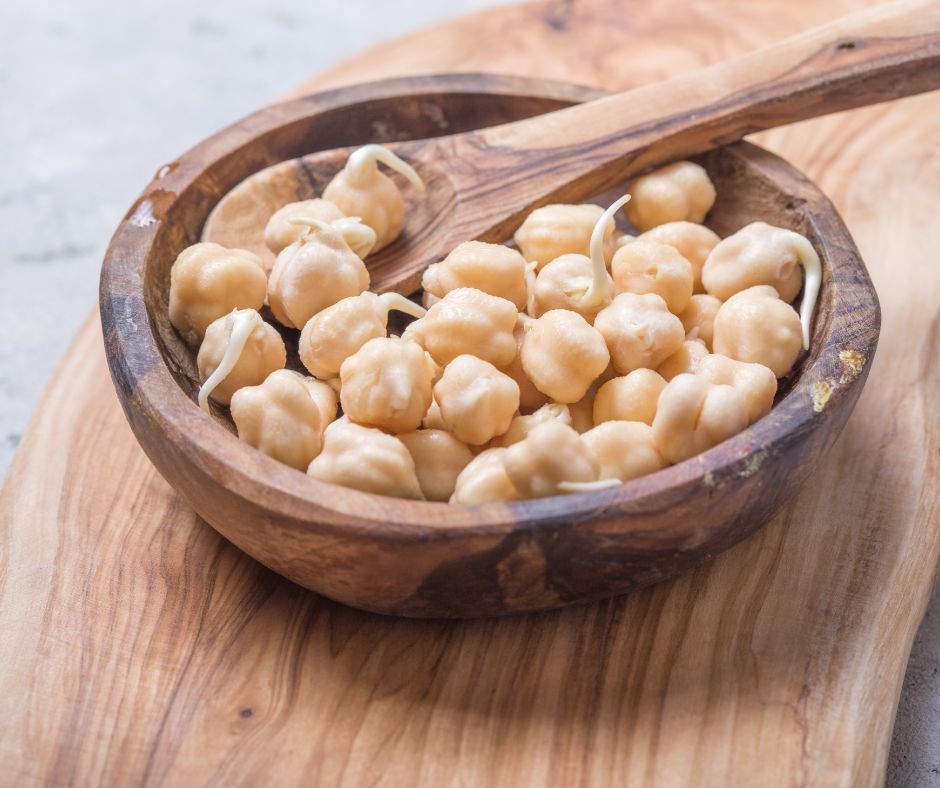
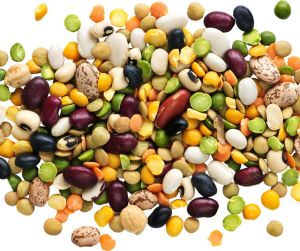
Beans like lentils and chickpeas are high in many beneficial nutrients as well as other beneficial qualities. These legumes have a low glycemic index, meaning they cause gradual and steady increases in blood sugar levels. This allows blood sugar to rise and fall without spikes and crashes and promotes stable energy levels.
The fiber content in beans slows digestion and nutrient absorption leading to prolonged feelings of fullness and satiety. Fiber-rich diets are linked to improved glycemic control and reduced insulin resistance.
There is No-One-Size-Fits-All! Many people can eat beans without any blood sugar issues, but some people need to carefully track and see which portion size is best for them and their blood glucose response. You may be able to enjoy a bean soup or falafel without a problem, but your friend or even your spouse may need to stick to half a portion and enjoy it with a large salad or steamed greens.
If you don’t know how your body responds to foods, I strongly encourage everyone to check their blood sugar every 15 minutes after a meal until blood sugar has returned to its starting point, or use a CGM. You can order a CGM here.
Legumes are high in various phytochemicals which are antioxidant and anti-inflammatory. These bioactive compounds help extinguish oxidative stress and inflammation associated with autoimmune conditions and can benefit the thyroid gland.
Legumes have an optimal balance of protein, carbohydrates, and fats, and provide sustained energy and essential nutrients. This balanced macronutrient profile aligns with recommendations for people with autoimmune thyroid conditions and blood sugar imbalances.
How Do Beans Affect Your Digestion?
Some people really struggle when it comes to digesting beans. The high fiber and complex carbohydrates in beans are excellent for digestive health, but they can also cause gas, bloating, and discomfort for people if they’re not accustomed to consuming such fiber-rich foods.
Additionally, beans contain certain compounds like oligosaccharides and lectins that are difficult for some people to digest fully, leading to digestive issues.
Oligosaccharides are a prebiotic, because they resist digestion by enzymes in the small intestine. Instead, they pass through to the large intestine, where they are substrates for fermentation by beneficial gut bacteria. This fermentation process produces short-chain fatty acids and gases such as hydrogen, methane, and carbon dioxide, which can have various effects on digestive health. While oligosaccharides provide some nutritional benefits and promote gut health by supporting the growth of beneficial gut bacteria, they can also cause gastrointestinal discomfort in some people.
There is more about Lectins below.
By using proper cooking methods such as soaking, sprouting, and boiling beans, you can help reduce these compounds, making beans easier to digest. Also, by gradually increasing bean intake and pairing them with other easily digestible foods, digestive discomfort can be reduced, allowing more people to enjoy their nutritional benefits.
While beans have many benefits, being mindful of digestive tolerance and preparation methods can optimize their digestion and maximize their nutritional value.
How Do Beans Help with Thyroid Health?
Beans are packed with essential nutrients and beneficial plant chemicals. They are also rich in plant-based proteins.
Beans are particularly abundant in folate (Vitamin B9), potassium, magnesium, and iron. Folate is essential for the synthesis of DNA, RNA, and proteins, including those needed in thyroid hormone production and metabolism. Folate is also necessary for the conversion of homocysteine to methionine, which is needed to reduce inflammation. Additionally, folate deficiency is linked to an increased risk of thyroid dysfunction.
Potassium is an electrolyte that helps maintain fluid balance, nerve function, and muscle contraction, including the muscles involved in thyroid hormone secretion. Also, adequate potassium levels support overall metabolic function.
Magnesium is involved in over 300 enzymatic reactions in the body, including those related to energy metabolism. It is also needed for regulating the function of the hypothalamic-pituitary-thyroid axis.
Iron is necessary for the synthesis of thyroid peroxidase (TPO), an enzyme required for the production of thyroid hormones. Iron deficiency can impair thyroid hormone synthesis and lead to hypothyroidism. Iron is also involved in oxygen transport and energy production, which are essential for metabolic function.
Beans also contain various beneficial plant chemicals, including flavonoids, phenolic compounds, and antioxidants. These compounds have anti-inflammatory and antioxidant properties, which help protect cells from damage caused by free radicals and reduce the risk of chronic diseases such as autoimmune disease, heart disease, cancer, and diabetes.
Beans also contain certain anti-nutrients, such as lectins and phytates, which can interfere with nutrient absorption and digestion in some individuals. This will be discussed further down….
Proper preparation methods, such as soaking, sprouting, and cooking, can help reduce the levels of these anti-nutrients and improve the overall digestibility and nutritional value of beans.
What are Beta Glucans?
Beta-glucans are a type of soluble fiber found in the cell walls of certain foods like oats and mushrooms and beans. These polysaccharides are composed of glucose molecules linked together in a specific pattern, which gives them unique properties and health benefits.
Beta-glucans have been studied extensively for their potential to improve heart health, boost immune function, and regulate blood sugar levels.
The immunomodulatory effects of beta-glucans, means they can enhance the body’s immune response and help protect against infections and diseases.
These compounds form a gel-like substance in the digestive tract, which slows down the absorption of carbohydrates and cholesterol, leading to more stable blood sugar and cholesterol levels.
Can Beta Glucans Help With Leaky Gut?
Beta-glucans have been shown to aid in conditions like leaky gut, Intestinal Permeability.
Prebiotics
Beta-glucans can serve as prebiotics, which means they provide food for beneficial gut bacteria. These prebiotics promote the growth of these beneficial bacteria which helps maintain a healthy balance of gut microbiota, which is essential for gut barrier function.
Immunomodulating
Beta-glucans have immunomodulatory properties, meaning they can help regulate the immune system. This helps reduce inflammation in the gut and support the integrity of the intestinal barrier.
Mucosal Protection
Beta-glucans help strengthen the mucosal lining of the gut, which provides a physical barrier against harmful substances and pathogens. This can reduce intestinal permeability and lessen the severity of leaky gut symptoms.
Antioxidants
Beta-glucans possess antioxidant properties, which can help reduce oxidative stress in the gut. They help protect the intestinal lining from injury and inflammation associated with leaky gut syndrome.
What Are Anti-Nutrients?
Antinutrients, including lectins, saponins, and phytates, can interfere with digestion, nutrient absorption, and gut health, potentially aggravating autoimmune conditions.
For those of us with an autoimmune diagnosis, the gut plays a key role in modulating immune responses. Anti-nutrients like lectins and phytates have been linked to compromising gut barrier function, leading to leaky gut syndrome. In leaky gut, the intestinal barrier becomes permeable, allowing harmful substances like toxins, food antigens, and bacteria to leak into the bloodstream. This can trigger an immune response, food sensitivities, and even allergies which all contribute to inflammation and autoimmune reactions.
Lectins have been linked to autoimmune diseases due to their ability to bind to gut epithelial cells where they trigger inflammation. Additionally, lectins may mimic self-antigens, leading to molecular mimicry and the production of auto-antibodies, further fueling autoimmune responses.
Beans, which contain lectins, have raised concerns for people with autoimmune diseases. While beans offer valuable nutrients like protein, fiber, necessary minerals, and beta-glucans, their lectin content may pose challenges for some people if consumed in large quantities or inadequately prepared.
Not everyone with autoimmune diseases will react negatively to beans or other lectin-containing foods. Tolerance levels vary widely among individuals, and some may tolerate moderate amounts of these foods without any adverse effects.
Additionally, proper preparation methods shared below help reduce lectin levels and minimize their impact on gut health.
Ultimately, the decision to include beans for someone with an autoimmune disease should be made on an individual basis, taking into account factors such as symptom severity, gut health, and personal tolerance.
By eliminating beans for at least 4 days and slowly introducing them back into the diet, one type for 3 days, you can see whether beans will work with you. Use a Food, Poop, Aches and Pains, Mood Journal when adding foods to see if you notice any issues.

What are Phytates?
Phytates are naturally occurring compounds found in various plant foods like beans. These compounds serve as the primary storage form of phosphorus in plants and play roles in seed germination and growth.
One characteristic of phytates is their ability to bind to minerals, forming insoluble complexes. This binding reduces the bioavailability of minerals like iron, zinc, calcium, magnesium, and manganese, which can lead to malabsorption.
You can eat the healthiest foods, but if you aren’t absorbing, you’re not getting the benefits.
What Are Lectins?
Lectins have gained notoriety in health circles, particularly with the autoimmune protocols, leading to concerns about their presence in many foods, including beans. Lectins are a type of protein found in most plant foods, and they play a role in plant defense mechanisms.
However, while some research suggests that lectins may pose health risks, particularly for those with certain sensitivities or autoimmune conditions, it’s essential to understand lectins.
These carbohydrate-binding proteins serve protective functions for plants, helping to protect the plant from predators and pathogens. However, when consumed, lectins can interact with cells in the digestive tract and potentially cause adverse effects.
Beans are known to contain lectins, with some varieties containing higher levels than others. One of the most infamous lectins found in beans is phytohaemagglutinin, which is particularly concentrated in raw or undercooked kidney beans.
I don’t know anyone who eats raw or undercooked kidney beans. When consumed in large quantities, this lectin can cause gastrointestinal distress, including nausea, vomiting, and diarrhea.
It’s important to note that proper cooking methods discussed below including boiling or pressure-cooking, can neutralize phytohaemagglutinin and reduce its potential for harm. Do NOT eat RAW or undercooked kidney beans.
While the risks associated with lectins are often exaggerated, particularly in popular media, some people may experience digestive discomfort or other adverse reactions after consuming these foods. Those with preexisting digestive issues or autoimmune conditions may be more susceptible to these effects. Additionally, lectins have been implicated in certain inflammatory conditions.

What is the Proper Way To Cook Beans?
To reduce phytates and lectins in beans and other foods to help with mineral absorption, soaking, sprouting, fermenting, and slow cooking methods help.
1. Soaking: Before cooking, soak beans in water for 8 or more hours or overnight by covering them with 2” of water. Soaking helps soften the beans, reduce cooking time, and removes some of the anti-nutrients, such as phytates and lectins, which can interfere with digestion and nutrient absorption. Then drain the beans and throw out the soaking liquid.
2. Rinsing: After soaking, rinse the beans thoroughly under running water to remove any remaining debris or anti-nutrients.
3. Cooking: Beans can be cooked using various methods, including boiling, simmering, pressure cooking, or using a slow cooker. Make sure to cook beans until they are tender and fully cooked. Cooking times vary depending on the type and size of beans with lentils taking 15-20 minutes and some of the harder beans taking 1 ½ hours. Check your pressure cooker for times using it.
4. Adding Sea Vegetables: Add a 1” square of Kombu or kelp, or sprinkle kelp flakes to not only add flavor, but also make the beans more digestible. Kombu, aka kelp, has been shown to reduce gas when added to beans.
5. Adding Flavor: Enhance the flavor of cooked beans by adding aromatics such as onions, garlic, herbs, and spices during the cooking process. This not only adds delicious flavor but also boosts the nutritional profile of the dish.
6. Avoiding Salt: Avoid adding salt to the cooking water until the beans are nearly done, as salt can toughen the beans and increase cooking time. I’ve had beans that never got soft enough, because I added the salt at the beginning.
7. Draining: Once the beans are cooked, drain any remaining cooking liquid. This can help reduce gas-causing compounds and improve the texture of the beans. I usually skip this step, because I love the flavor of the broth, but if you have digestive problems, drain the beans.
How Do You Select and Prepare Beans?
- Follow the Preparation Steps Above
Cooking beans thoroughly as described above, especially by boiling or pressure-cooking, can lower phytates and deactivate lectins and reduce their potency.
- Choose various types of beans.
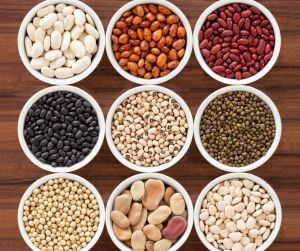
Some bean varieties contain lower levels of lectins than others. Lentils and black beans are preferable for sensitive individuals and have lower levels of lectins.
- Go Low and Slow.
If you don’t already regularly consume beans, start with a few tablespoons a day. Just like with other foods, if you are not regularly eating them, you don’t have the microorganisms needed to help digest them in the intestines. By adding a little at a time and slowly increasing, you will attract the right microbes and they will grow and offer their other benefits.
Consuming beans in moderation and paying attention to portion sizes can help minimize any potential adverse effects.
For most people, including beans as part of a varied and balanced eating plan can provide numerous health benefits, outweighing any potential risks associated with the anti-nutrients. By understanding the role of beta glucans, phytates, and lectins and using proper preparation methods, we can enjoy the nutritional benefits of beans while minimizing any potential drawbacks.
Do You Need Help Understanding How Functional Foods and Other Lifestyle Factors Can Benefit Your Clients?
The Jen Twins LOVE helping people like YOU! … Click Here to Get on our Calendar Today!
We will empower you with the tools and understanding to take control of your own health and that of your clients, so you can enjoy an energetic body and mind and embrace the confidence in helping your clients.
Together, let’s harness the power of nutrition and lifestyle interventions to nurture optimal thyroid function and unlock the power of foods in supporting autoimmune thyroid health and blood sugar regulation.
By Jennifer Whitmire, MS, MEd, MH, CHES, NEP
#ThyroidHealth, #AutoimmuneThyroid, #BloodSugarBalance, #LegumePower, #ThyroidWellness, #HealthyEating, #NutritionTips, #HolisticHealth, #FoodForHealth, #WellnessJourney
References used for this article:
Functional components profile and glycemic index of kidney beans
Beans & Glycemic Index/Glycemic Load
Mediterranean Diet and Thyroid: An Interesting Alliance
Low-Glycemic Load Diets and Thyroid Function: A Narrative Review and Future Perspectives
Should you eat a lectin-free diet?
Reduction of phytic acid and enhancement of bioavailable micronutrients in food grains
How to Tackle the Relationship between Autoimmune Diseases and Diet: Well Begun Is Half-Done
Reaction of Lectin-Specific Antibody with Human Tissue: Possible Contributions to Autoimmunity
Plant Proteins: Assessing Their Nutritional Quality and Effects on Health and Physical Function

 Wholistic Jen
Leave a comment