
By Jennifer Whitmire MS, MEd, MH, CHES, NEP
So many people tell me they can’t go on a plant based diet. They just feel too weak. They know they need more protein. Have you experienced this? Obviously, you’re not alone.
Whole food plant-based diets are known for their health benefits from weight loss, reduced heart disease risks, reduced risk of chronic diseases, better blood sugar control, and even reduced pain and reversal of autoimmune symptoms. Some people experience feelings of weakness or fatigue when transitioning to this way of eating.
The Number 1 Reason is Low Calorie Intake!
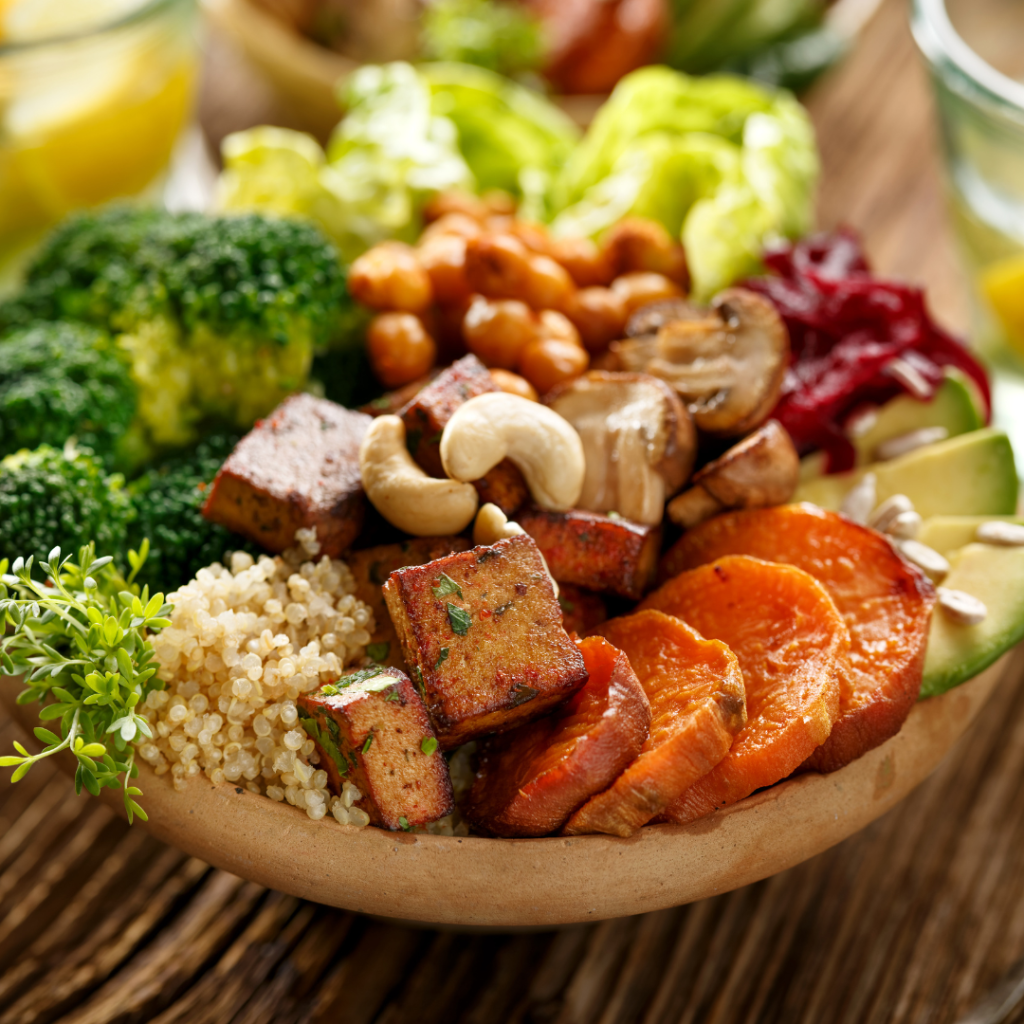
Plant-based foods tend to be lower in calories than foods made from animal products, so it’s important to eat enough to meet your energy needs. If you’re not consuming enough calories, you will feel weak or fatigued. Eating real whole foods that are calorie-dense like lots of greens, rainbow veggies, nuts, seeds, avocados, legumes, and whole grains into your meals. Some people even need to find ways to add nut butters to help boost calories.
In a world where we have been taught to eat less and exercise more, it’s hard to wrap your head around having to eat more. When I have a salad for lunch, it’s not a wimpy restaurant salad, it’s a giant salad full of a large variety of vegetables, legumes, nuts, seeds, kraut, sprouts, and dressing. When I take a salad somewhere, I use a brownie pan with a lid! It’s that big!
For me, I like to feel full. I have tried the “Eat until you are mostly full” rule, but it doesn’t work for me, because I really like to feel full. Most of you know I eat completely whole food plant based. I cook and prepare 99% of my meals. I do this not only for my health, but once I learned how to cook, I realized it was just a of waste money to eat at most restaurants. When I do eat at restaurants, I’m usually disappointed, because my home cooked meals usually taste better.

Sometimes People Feel Weak Because They Are Missing Key Nutrients
I feel like this is the key to the chronic illness and obesity epidemic. No matter the diet, people are not eating the foods high in minerals and essential fats like omega 3s.
We hear that plant-based diets can sometimes lack nutrients that are abundant in animal products, such as iron, vitamin B12, and omega-3 fatty acids. But iron and omega 3s and found in many plants, and every diet is low in B12.
Make sure you’re including plenty of iron-rich plant foods like lentils, beans, spinach, and dark leafy greens. For essential fats, add walnuts, flax seeds, chia seeds, hemp seeds, and algaes. Even the NIH recommends supplementing with vitamin B12 for all adults, especially those over the age of 50. Consider taking a B12 supplement to ensure you’re getting enough of this essential nutrient.
So What About Protein?
Protein is essential for transporting hormones, muscle repair and growth, proper detoxification, and more. Not getting enough protein can leave you feeling weak and tired. Many, many adults do not get the essential amino acids (Proteins are broken down into amino acids during digestion), because they are skipping some steps and missing some enzymes needed to properly digest them. Basic blood labs can show us a glimpse of whether or not you are getting in those amino acids.
We not only need to chew really well, we need to make sure that we have enough stomach acid and digestive enzymes needed to breakdown those proteins. Taking antacids like Tums, Alka-Seltzer, and Rolaids and even several prescriptions can prevent the proper breaking down of these foods.
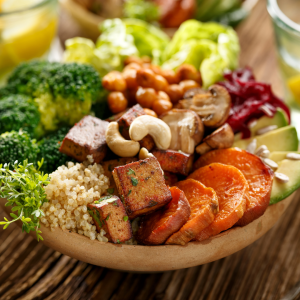
While plant-based foods can provide all the protein you need, you may need to be more conscious of your protein. Make sure you eat protein-rich plant foods such as tofu, tempeh, legumes, quinoa, and seeds. Foods like green smoothies allow you to pack in a bunch of protein-rich dark leafy greens that are also really high in minerals. Choosing really clean protein powders can also be good and convenient options for boosting your protein.
Are You Eating the Same Foods Every Single Day? Are You Eating The Rainbow?
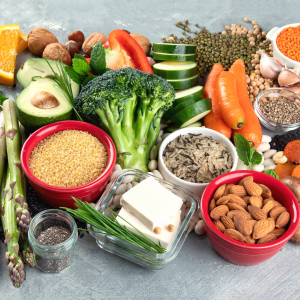
A well-balanced plant-based diet should include the entire rainbow. A variety of fruits, vegetables, leafy greens, whole grains, nuts, seeds, and legumes are needed to ensure you’re getting all the essential nutrients. Eating the same foods every day can lead to nutrient deficiencies and feelings of weakness.
Try different recipes and really examine your meals to see how you can add more color. At the store, look at your cart. Is your cart mostly produce AND does it have all of the colors? Is there a food that you haven’t had in a while? And, try a new food each week. A quick internet search will give you many recipes.
It’s Not What You Eat, It’s What You Absorb!
As noted above, digestion and absorption change as we age and medications and cooking methods can also affect them. First, we need to optimize digestion. Eating in a hurry, not chewing well, and eating foods that are inflammatory, decrease stomach acid and digestive enzymes. Throw in medications, and it is even more difficult to digest and absorb.
Some plant compounds can inhibit the absorption of certain nutrients like iron and calcium. For example, oxalates in spinach and phytates in grains and legumes can bind to minerals and reduce their absorption. To enhance nutrient absorption, try soaking, sprouting, or fermenting grains, legumes, nuts, and seeds before cooking and eating them. Cooking vegetables can also help break down these compounds and increase nutrient availability.
Once a week, I like to soak and sprout nuts and seeds. Then I have them available throughout the week to us in my dishes. If I’m not going to use them right away, I throw them in the dehydrator to dry until I am ready. I also sprout some beans and greens (usually broccoli seeds) throughout the week. Then I cook the beans for hummus and dips, to top tacos and use in wraps, or to throw on salads or cauliflower rice. I like to add the sprouts to smoothies, salads, and wraps.
By soaking and sprouting, I am removing those enzyme inhibitors and making it easier for my body to get the nutrients it needs from the foods.
Certain Health Conditions Can Make It Difficult to Get Nutrients
If you’ve addressed “all of the things” I mentioned above and still feel weak on a plant-based diet, it’s possible that there’s an underlying condition. Hypothyroidism, celiac disease, or gastrointestinal disorders can affect nutrient absorption and energy. If you can’t get the energy you need from your foods, it time to dig in and find ways to help you get those nutrients. You can still eat whole food plant based, you just may need to add green juices and use different cooking styles to maximize your nutrient absorption.
Don’t give up! With a few adjustments to your meal planning and cooking styles, you can increase nutrient absorption and thrive on a plant-based lifestyle. Listen to your body, eat a well-balanced diet that includes the rainbow and essential fats, and prioritize nutrient-dense foods to support your health and energy levels.
Do you need help figuring what, when, and how to eat? The Jen Twins can help! We LOVE to help people like you thrive on a plant based diet. While Jen Whitmire eats only plants, Jennifer Swank likes to rotate between a high plant paleo diet and 100% whole food plant based. Both of us used food to reverse our autoimmune condition, and we want to help you!
Click here to schedule a time to chat.
#PlantBasedDiet, #Vegan, #Vegetarian, #HealthyEating, #Nutrition, #PlantBasedRecipes, #VeganFood, #PlantBasedLiving, #HealthyLifestyle, #WholeFoods, #PlantBasedNutrition, #VeganLife, #HealthyRecipes, #PlantBasedCooking, #VegetarianRecipes, #VeganCooking, #PlantPower, #MeatlessMonday, #EatPlants, #VegetarianFood
 Wholistic Jen
Leave a comment