


By Jennifer Whitmire MS, MEd, MH, CHES, NEP
I grew up in the era of “Fat Free.” We learned early on that fat makes you fat and causes heart attacks. But, just like carbs in the form of broccoli is not the same as carbs in the form of cake, not all fats are the same either.
Healthy fats are essential and support everything from brain function to hormone production. By essential, I mean that we must eat them.
Why Do We Need To Eat Fat?
In the brain, fats are essential for cognitive function, memory, and overall brain health. Omega-3 fatty acids, which I’ll discuss below, are necessary for maintaining the integrity of brain cell membranes and communication between neurons.
In the heart, we need omega-3 fatty acids (again!) to reduce inflammation, lower triglycerides, and regulate heart rhythm which reduces the risk of heart disease.
In the liver, fats are used for energy and to produce important substances like bile. These are necessary in the digestion and absorption of fats and in the removal of bilirubin and excess cholesterol. Fatty acids are also involved in liver function and metabolic processes.
In the hormonal system, fats are precursors to hormones needed for the production of steroid hormones such as estrogen and testosterone. They are also needed for prostaglandins which regulate things like inflammation, blood pressure, and the immune responses.
In the skin, fats help maintain the skin’s barrier function and keep it hydrated and protected against environmental damage. Fatty acids make up the structure of cell membranes in the skin and are necessary for aiding in repair and regeneration.
In the immune system, fats are needed to regulate the immune response. Omega-3s, again, are anti-inflammatory and help regulate the activity of immune cells.
In the eyes, fatty acids, especially DHA (docosahexaenoic acid) which is a type of omega 3, are important for maintaining the health of the retina and vision. They support the structure and function of eye cells.
In the reproductive organs, fats are necessary for reproductive health. They are involved in the production of reproductive hormones and in maintaining the health of reproductive tissues.
In the muscles, fats provide a source of energy, especially during endurance activities. They also help in reducing inflammation and muscle recovery after exercise.
In cell membranes, the cells have membranes composed of lipid bilayers that include fatty acids. These membranes control the movement of substances in and out of cells for proper cell function and communication.

Good Fats vs. Bad Fats
As you can see from above, omega 3 fats are needed for many things, especially for inflammation.
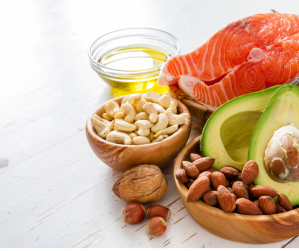
Healthy Fats include monounsaturated and polyunsaturated fats. These are your friends! They are found in avocados, olives, and olive oil, and nuts. MUFA help reduce inflammation and improve heart health. PUFA includes omega-3 and omega-6 fatty acids. Omega-3s, which I mention pretty much every day, are found in flaxseeds, chia seeds, walnuts, and cold-water fatty fish. These are especially good for reducing inflammation and supporting brain health.
Unhealthy fats include trans fats and saturated fats. Trans fats have been in the news for many years. These are found in many processed and fried foods and are a no-go. They increase inflammation and bad cholesterol and raise your risk of heart disease.
Saturated fats are in foods like red meat, pork, butter, dairy and cheese, and some tropical oils. Not all saturated fats are bad, but too much can increase cholesterol levels. One exception to the saturated fat rule is coconut. Coconut actually helps omega 3s convert to longer chain fatty acids, which means it helps them be more anti-inflammatory.
Do Fats Make You Gain Weight?
Fats are calorie-dense, meaning they have more calories per gram than proteins or carbs. 1 gram of carbs is 4 calories, 1 gram of protein is 4 calories, but 1 gram of fat is 9 calories. However, it’s not as simple as saying fats make you gain weight. It’s about how many calories you consume overall and the types of fats you eat.
So don’t overeat. It’s easy to eat too many chips, fries, and snack foods, but the fiber found in most healthy fats will slow you down, UNLESS they are roasted and salted. It’s more difficult to over eat raw almonds that roasted and salted almonds, AND the roasted and salted are usually roasted in inflammatory oils.
Healthy fats can actually help with weight management by making you feel full longer. Foods with healthy fats are usually rich in nutrients that support your overall health. Healthy fats contain minerals and fiber (except oils! Oils don’t contain fiber.) Unhealthy fats are often found in high-calorie, low-nutrient foods that are easy to overeat, and lead to weight gain.

How Do Healthy Fats Help with Inflammation and Weight Management?
Understanding the different types of fats and their effects on the body is important for maintaining a balanced diet and managing health conditions, especially those involving inflammation and metabolic health.
Helping with Inflammation
Omega-3 fatty acids are key when it comes to fighting inflammation. These essential fats are found in foods like flaxseeds, chia seeds, hemp seeds, walnuts, algae, and fatty fish (salmon, mackerel, sardines). Omega-3s work by reducing the production of inflammatory molecules, such as eicosanoids and cytokines, which you may have heard about during the pandemic.
For those of us with an autoimmune disease diagnosis, including omega-3-rich foods daily can help manage the inflammatory response and ease symptoms. Studies have shown that a higher intake of omega-3 fatty acids can lead to reduced inflammation and improved health in many autoimmune illnesses.
Omega-6 fatty acids are those found in some healthy foods like almonds, pumpkin seeds, sunflower seeds, and most of our nuts but also in vegetable oils like corn, soybean, and sunflower oils, and processed foods. Omega 6 fatty acids are essential (We must eat them), but they need to be consumed in balance with omega-3s.
As you can see, it is easy to eat a LOT of these omega 6 fats. I eat most of those nuts and seeds daily and don’t eat the oils, BUT if I had fast food once or more twice a day, plus a bag of chips or fries, plus an almond flour muffin, I would be getting way too many omega 6 fatty acids. The typical S.A.D. diet tends to be high in omega-6s and low in omega-3s which promotes inflammation. It’s important to reduce the amount of omega-6-rich foods and increase the omega-3s.
Balancing these fatty acids can help decrease the inflammation. Aim for a ratio of omega-6 to omega-3 that is closer to 3:1 or even 2:1 instead of the common 15:1 found in many diets today.
I’m Always Hungry!
Healthy fats are awesome for keeping you satisfied after a meal. They take longer to digest than carbs and proteins meaning you stay full longer and avoid those annoying blood sugar swings. This helps prevent hunger pangs and keeps you from reaching for snacks.
Think of foods like avocados, nuts, seeds, and olives. Adding these to your meals can help you maintain steady energy levels throughout the day and curb those snack cravings. These also contain minerals and fiber which can help you feel fuller and feed your healthy microbes.
Boosting Metabolism
Fats are also super important for your metabolism. They help your body absorb vitamins like A, D, E, and K, which support your immune system, bone health, vision, and intestinal lining. Plus, as mentioned before, fats are necessary for making hormones! You need these for a bunch of things, not just for balanced sex hormones but also thyroid hormones which affect your metabolism.
Fats help produce leptin, the hormone that controls hunger and energy balance. Eating healthy fats ensures your body gets the nutrients it needs to keep running smoothly. So, adding healthy fats to your diet isn’t just about staying full longer—it’s about giving your body the nutrients it needs to function at its best.
Eating avocados, flax seeds, chia seeds, and walnuts (and salmon if it’s right for you) can also help with blood sugar management. These foods reduce inflammation and promote the health of your heart while providing steady energy levels.
Healthy fats are digested more slowly than carbs allowing for a steady energy release without causing blood sugar spikes. Blood sugar swings can make you cranky and irritable and cause that “Hangry” mood. This slow digestion also helps you feel fuller for longer, reduces snacking, and helps with weight management.
For those on low-carb or ketogenic diets, fats become the primary energy source and promote fat burning and better blood sugar control. In this case, healthy fats can lead to improved metabolic health, stable blood sugar levels, enhanced brain function, and reduced inflammation. BUT… they are still very calorie dense. If you do follow this eating style, be sure you are eating plenty of plant foods for healthy fats and fiber. You can follow this style of eating with the wrong fats and lose weight, but your health will suffer.
How can I tell the difference between healthy and unhealthy fats?
Healthy fats are usually found in whole, natural foods like avocados, nuts, seeds, and cold-water fatty fish. Unhealthy fats are often in processed foods, like fried foods, chips and crackers, baked goods, and anything with hydrogenated oils. Always read the label and choose whole, natural foods whenever possible.
Instead of avoiding fats, it’s important to focus on eating healthy fats. They are essential for brain function, hormone production, vitamin absorption, the heart, and weight management. By choosing the right kinds of fats, you can reduce inflammation and support your health.
Want to learn more about managing your diet and reducing inflammation?
Join The Jen Twins
Ready to take control of your health? Schedule a call with The Jen Twins to learn more about our programs and how we can help you manage your health. Don’t wait—spaces are limited, and we’re here to help you reclaim your health and energy.
Let’s work together to create a healthier you!
Get ready to reclaim your energy!
Get rid of that “mood!”
Let’s explore practical strategies to balance your blood sugar, reduce inflammation, and take control of your health together!

 Wholistic Jen
Leave a comment