

Autoimmune diseases usually come in 2s and 3s.

By Jennifer Whitmire MS, MEd, MH, CHES, NEP
Autoimmune diseases (AID) are really complicated and usually involve multiple organs and systems. AND they are hidden from the outside world. You look just fine to me?! You may just be feeling off, or have heavy legs, or difficulty just getting out of bed. Is it all in your head? Are you a hypochondriac? Do you just like the attention?
In many cases, you look “normal” on the outside, but inside feels awful. Some conditions do show up on the outside like for me, psoriasis made me want to hide. I wore long sleeves all summer long even at 100 degrees, or I was scratching like a monkey all day. Luckily, I didn’t have an AID where I would/could end up in a wheelchair, but many people with AI diseases do.
If you’re experiencing a a lot of symptoms, you should know they may not all come from just one condition. AIDs often come in pairs or even trios, making them tricky to diagnose. Do you need a diagnosis for all of them? NO! You need to get to the root as to WHY you have them.
For me, I was first diagnosed with Graves disease. I had no idea that I even had any symptoms. My outbursts, short fuse, and anxiety were just a part of my personality, right? You can read more about that here. But after I was conned into radiation, I not only developed symptoms of Hashimoto’s, I developed symptoms of Raynaud’s, Sjogren’s, Psoriasis, Celiac, and Myasthenia Gravis.
Remember, I was an “expert” in health! I had all of the nutrition certificates and even a master’s in health science to prove it. I ate “healthy,” I thought. I exercised every single day. I was doing all of the things.
It’s difficult to think about what my life would be like if I hadn’t taken my health into my own hands and dug deeper into the research.
I qualify for disability, and I would probably be on it if I hadn’t have discovered new tools and made some serious changes to my food, environment, and lifestyle.
Autoimmune Diseases Are Very Complex
AIDs happen when your immune system attacks your body’s own tissues. This can cause a wide range of symptoms depending on which tissues are targeted. Conditions like Hashimoto’s, rheumatoid arthritis, and lupus are examples of AIDs diseases with many symptoms. However, these diseases rarely exist alone.
Many people with one autoimmune condition develop additional ones. They think they are all symptoms of just one disease, but they probably have multiple things going on inside.
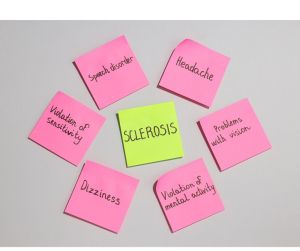
Why Do Autoimmune Diseases Cluster?
1. Genetics: If you’re genetically predisposed to an autoimmune disease, you might be more likely to develop several. Certain genes linked to autoimmunity can increase your risk of multiple diseases. I have family members on both side who have never told me they have an AID, but they do have symptoms, and I do have the genetics for several.
2. Environment: Factors like infections, toxins, and stress can trigger autoimmune responses in those who are genetically prone. These triggers can set off multiple autoimmune conditions. For me, I was running plastics through my dishwasher, and reheating plastic in the microwave. My daily lunch was a frozen Lean Cuisine that was in a black plastic container that I microwaved. I turned disposable water bottles into my every day water bottles. As a kid, we received fluoride every day after lunch for our teeth.
You can see that I had a history of toxic behaviors, and that’s just the beginning.
All of these add up! Add toxic bath and body products, toxic cleaning products, and chronic stress (I have been stressed out my entire life!), and it’s the perfect combo for AID.
3. Immune System Issues: Once your immune system starts attacking one part of your body, it can become unregulated, leading to additional attacks on other tissues. This creates a cycle of inflammation and immune dysfunction. For me, my body thinks gluten and corn proteins look like my personal proteins. If I eat anything that contains those proteins, my immune systems gets fired up and attacks, and it takes a LOT of time and attention to cool it down.
For me, my years of chronic stress and eating bread 3 times a day (toast for breakfast, sandwich or wrap at lunch, toast, biscuit, cornbread, pasta, or pizza for dinner). That’s a lot of gluten. I made my own healthy bread, croissants, pancakes, muffins,… in addition to my chocolate milk addiction, this led to a leaky gut. It has taken me several years to heal this leaky gut, and I only recently found out that I have all of the celiac genes. I never had stomach pains or loose stools. I had no idea you can have celiac disease and not have those symptoms.
Common Autoimmune Disease Combinations
Thyroid Diseases + Rheumatoid Arthritis
It’s common for those with Hashimoto’s thyroiditis or Graves’ disease to also develop rheumatoid arthritis and myasthenia gravis.
Lupus + Sjogren’s Syndrome
Lupus often coexists with Sjogren’s syndrome which affects moisture-producing glands and causes dry eyes and mouth.
Type 1 Diabetes + Celiac Disease
These two conditions frequently occur together due to shared genetic factors.
How do you deal with multiple autoimmune conditions?
Dealing with multiple autoimmune conditions can be tough, but it’s possible when you look at the whole picture.
1. Remember You Are Unique
Your autoimmune conditions don’t define you! You are not just another patient. Work with a professional who sees you as an individual with a unique background and unique experiences and exposures. This approach ensures that your plan is specific to your needs. A personalized plan takes into account your medical history, lifestyle, and even genetic factors, making it more effective in addressing your specific set of symptoms and conditions.
TRAUMA
Did you know trauma, physical and mental trauma is strongly connected to chronic diseases like AID? If you’re not getting results, it may be time to dig in a little deeper. We actually store trauma and emotions inside our body and finding ways to recognize those feelings and stored emotions is very important.
Jennifer Swank specializes in helping people find and safely release stored trauma, so their body can turn on its natural healing abilities. She offers this to our 1:1 clients, and they are amazed at how effective this technique is for their healing journey.

There are no protocols that work for everyone. There is never a one-size-fits-all.
2. A Whole-Body Approach
Looking at ALL aspects of your health is key.
- Stress Management: Chronic stress can make autoimmune symptoms worse. Find a hobby, schedule some time off, take those vacations, and go see friends and family. You deserve it. Try techniques like mindfulness, meditation, visualization, and deep-breathing exercises to help reduce stress levels. Schedule daily game time with your kids, even if it’s long-distance and you’re playing it on the phone.
- Appropriate Exercise: Even when you have symptoms and don’t feel good, remember that this body was made to move. I know it hurts sometimes but find something you can do to get the blood pumping and the lymph flowing.
Regular physical activity helps you maintain a healthy weight, improves your mood, and reduces inflammation. When you have symptoms, your body needs low-impact exercises like yoga, qigong, tai chi, swimming, or walking to avoid putting too much strain on your body. This isn’t the time to train for a marathon, but make sure you’re moving your body every single day to keep your muscles and bones strong.
I used to love to run, but my body needs me to move in much gentler ways these days. Learn to tune in and do what you can. (Yes, my body says it wants to stay in bed on some days, but if I start walking, it likes that, too).
- Quality Sleep: Good sleep is a must for healing and maintaining your immune function. Your body’s clean-up crew works overnight when you are asleep. You must sleep to get rid of inflammation. Aim for 7-9 hours of quality sleep each night and stick to a consistent sleep routine.
Don’t eat before bed, dim the lights after dinner, and put away those electronics, including your phone. Try some bedtime teas if you need help relaxing.
- Whole Foods Plant-Based Diet – Eat the rainbow: A diet full of leafy greens, colorful vegetables, nuts, seeds, fruits, and real, whole grains, (gluten free, of course) can reduce inflammation and give you the nutrients your body needs.
Ditch processed foods, sugars, and unhealthy fats and oils. Get in the habit of reading labels – not the nutrition facts, but the ingredients. Check the ingredients on anything that comes in a bag, carton, or box every time. Ingredients change even when the front of the packaging does not.
Reducing inflammation through diet and lifestyle can help manage symptoms and, in some cases, reduce or even eliminate them. Foods like leafy greens, berries, and omega-3-rich foods have anti-inflammatory properties. Find ways to add chia seeds, walnuts, algae like chlorella, and even wild-caught, cold-water fish to your meals, if you eat fish.
- Do An Elimination Diet: Most people with AID have food sensitivities that can trigger symptoms. Doing an elimination diet helps identify these problem foods. Start by removing common allergens like gluten, dairy, eggs, peanuts, soy, shellfish, and corn for a few weeks, then slowly reintroduce them one at a time while monitoring how your body reacts. This process helps you pinpoint foods that may be causing inflammation or other issues, allowing you to tailor your diet to support your health. (We teach this in our CREATE A Healthier You program).
- Balance Your Blood Sugar: Keeping your blood sugar levels stable is necessary to keep inflammation under control. Fluctuations in blood sugar can lead to inflammation and negatively impact your heart. EAT PLANTS, and pair starchy carbs with healthy fats and proteins for a balanced plate and to slow the absorption of sugar. Stay away from sugary snacks and drinks that cause rapid spikes in blood sugar.
- Detoxing and Cleaning Up the Inside: Regular detox can help remove harmful substances from your body that can make inflammation and other health issues worse. You can do this every single day and then do a deeper cleanse in the fall and spring with The Jen Twins. (The 14 Day Detox is a BONUS in CREATE A Healthier You this year). Include foods and herbs known for their detox properties, like garlic, cilantro, lemon and lime, and turmeric. Drink lots of clean, filtered water to support your body’s natural detox processes. READ INGREDIENTS. Make sure you are not adding toxins in or on your body.
- Removing Exposures: Toxins and allergens in your food, personal care products, and home environment can trigger or worsen autoimmune symptoms. Choose organic, non-toxic products and keep your living space clean and free of chemicals. Use apps like ThinkDirty to check your home products like toothpaste, shampoo, shaving cream, etc. It will even give you some alternatives.
- Positive Mindset and Fun: Having a positive mindset and making time for play and fun can really boost your heart health. Do things like Laughter Yoga (Free Monday – Friday at 7:30a, PT/10:30am ET) and learn how to act like a child again. Positive thinking and doing activities you enjoy can lower stress, blood pressure, and improve your overall well-being. Go for walks in nature, watch uplifting shows, and listen to positive music as part of your daily routine to create a heart-healthy environment.

3. Regular Monitoring
Regular monitoring of your health is crucial for managing autoimmune conditions effectively.
Get Blood Work
Regular blood tests can provide valuable insights into how your body is functioning and help identify any imbalances or deficiencies. Tests might include inflammatory markers, hormone levels, and vitamin/mineral levels.
Make Sure Someone Knowledgeable Explains Your Labs
Having a functional professional review your labs on a regular basis allows you to see what is and isn’t working in your plan. Using functional markers allows you to compare yourself to numbers for optimal health, not normal. It is normal to be sick in the U.S. I want to feel great!
Staying on top of your health can prevent complications and ensure effective management and possible reversal of your disease. By being proactive and doing your own research, you can better understand your body and its needs, leading to more personalized and effective strategies.
Take Action Now
If you’re struggling with multiple autoimmune conditions and are looking for a comprehensive and personalized approach to manage your health, we’re here to help. Our CREATE A Healthier You 6-week program is starting soon, and we’re only taking a few select clients to ensure personalized attention and support. We even include a Blood Chemistry Review and our 14 Day Reset and Cleanse as BONUSES this year!
Ready to take control of your health? Schedule a call with us to learn more about our program and how it can help you manage your autoimmune conditions effectively. Don’t wait—spaces are limited, and we’re here to help you reclaim your health and vitality.
Join us on this journey toward better health. Let’s work together to create a healthier you!


 Wholistic Jen
Leave a reply to Are Blood Sugar, Vision, & Autoimmune Thyroid Related? – Wholistic Jen Cancel reply