

By Jennifer Whitmire MS, MEd, MH, CHES, NEP
Most of you know my story… I received a scary diagnosis in 2007 (Graves disease), and we quit our jobs and moved to start a farm to grow our own food and teach people about food and health. No, it didn’t all happen right away! We started learning about food, chemicals in foods, food packaging and how that affects our health, food prep and food containers, and cooking tools, and how they affect our health. I had a masters in health science, and I didn’t know any of this!
WE ARE STILL LEARNING!
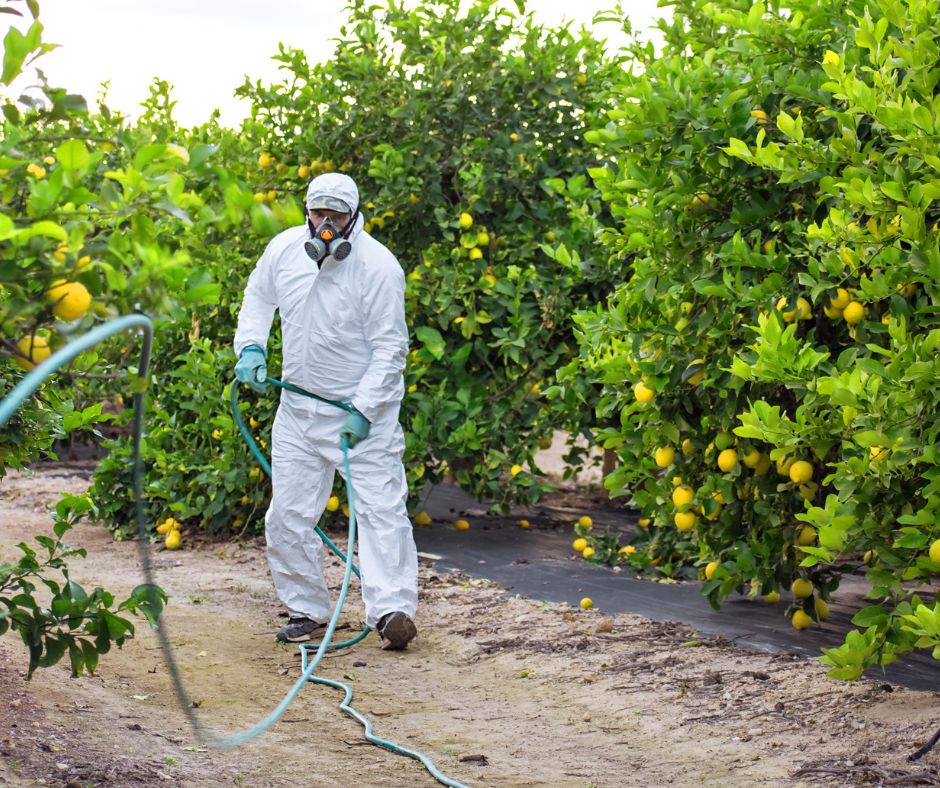
Probably once a week or more, one of us says, “Wow! Did you know…?” Like last week, I learned that some gardens and even some farms (organic farms) spray flour on greens like cabbages as a pest control. WTH?! How are people like me protected? I have the celiac genes, and I never thought to worry about gluten on my lettuces and greens. If I’m in a hurry, I just grab the lettuce or spinach out of the container that says “washed and ready to eat” and throw it on my plate or in my smoothie.
How well do restaurants wash theirs? AND one farm recently posted that they stopped using flour, because it was too difficult to wash off. How much residue is on my store-bought greens? Hence, we grow as much as we can ourselves.
When you have been diagnosed with a autoimmune disease, after the initial gut punch of hearing “incurable disease,” most of us start looking for HOW? And WHY?
Toxins can play a role in this. For me, I think a lot of what brought on my condition was:
1. I have all of the celiac genes. I have never had stomach issues, and I had no idea someone can have celiac disease without stomach issues.
2. I was not reading ingredient labels. I always read the cover and usually looked at the nutrition facts. It never dawned on me to really look at what’s inside. I ate Lean Cuisines every day for lunch until someone told me to read the ingredients. It had so many ingredients that it was written very tiny, and I couldn’t pronounce half of the words.
3. I didn’t think conventional vs organic was a big deal. I always washed my food before cooking it. Doesn’t that wash it all off? I really was clueless.
4. I was using a lot of plastic. I used “red neck” Tupperware. I ran the plastic deli meat and cool whip containers though the dishwasher and used then over and over again. I even re-used disposable water bottles and ran them through the dishwasher every day. I had no idea why people threw them out. And I heated up frozen meals in their black plastic in the microwave. Oh…and the plastic Minute Rice bags,…
Sorry about the tangent! Back to the food…

We Do Not Buy 100% Organic
We try! We grow what we can, but we live in the middle of nowhere, and the stores closest to us are small. We live in a community where the only restaurants within 22 miles are Mexican, pork BBQ, wings and pizza, fried chicken, and hamburger and hot dogs places. Oh! And a DQ and a Jack’s Burgers and Fries. You could say that we don’t really fit in with the local eating lifestyle.
We wash our produce really well, and we follow the EWG’s Dirty Dozen and Clean 15. We know that there is no 100% effective way to wash off pesticides. BUT…it’s better to eat the best produce we can find at the time than not eat it at all.
For Greens…
When it comes to greens, we grow most of our own. They’re notorious for being heavily sprayed, and we just feel better knowing exactly what we’re eating. But when we must buy, we look for organic options whenever possible.
Spinach, lettuce, kale, and collards, are almost always on the Dirty Dozen list, so make sure you only buy those organic or grow your own. Pesticides are still allowed on organic farms, they just aren’t synthetic.
We also Rotate Our Greens. What does that mean? If we eat a lot of kale this week, next week, we’ll choose Romaine or one of the Chinese cabbages like Napa cabbage instead. If we eat a lot of spinach one week, we’ll be sure to switch to a spring mix next week. We also eat 3-5 different greens each week. It’s normal for us to have 1-2 types of cabbage, kale or collards, spinach, and a lettuce mix every week.

For Fruit Vegetables where we eat the skins…
Think bell peppers, cucumbers, squash and zucchini, okra, and tomatoes. These are fruits that we typically call vegetables. They are high in vitamins and are very hydrating. We try to buy organic here too, because we eat the skins and pesticides on the skin can be difficult to wash off completely. Bell peppers are always on the Dirty Dozen list, too.
For Fruit…
We look for organic for berries, apples, and peaches – anything where we eat the skin and aren’t growing it at home. These fruits tend to have higher pesticide residues.
Mangoes, pineapples, avocados, watermelons, and grapefruits tend to be okay if you buy them non-organic, but still wash them well before you cut into them. That knife blade can spread chemicals and bacteria as you slice through.
For nuts and seeds …
We choose raw organic when we can find them. These are usually grown with fewer chemicals which is important since they’re a staple in our diet. We also choose raw instead of roasted and salted. For one, that’s a lot of salt, but the real reason is the fats. When you heat the fragile oils found in nuts and seeds, it changes their chemical structure and oxidizes the fats.
You hear a lot about antioxidants. We all know we need antioxidants and the more the better. We create oxidized stress in our body that we need neutralized by these antioxidants, we don’t need to add it in our foods, as well. Avoid anything heated, roasted, or fried, that has fat in it.
For Legumes…
Beans and lentils ALWAYS have pesticide residues, but they’re also usually peeled before eating. For beans (and grains below) they need to be completely dry to harvest. You don’t want damp things to clog up harvesting equipment, and you don’t want it to grow mold in storage. We only buy organic, and we rinse and soak, sprout, and rinse them thoroughly before cooking.
For Grains and Pseudo grains…
We don’t eat a lot of grains, but we look for organic when buying brown rice, quinoa, and oat groats. These crops are sprayed just like the legumes above. There’s a loophole in the law that allows items to be sprayed after they go to seed for quick drying. For these, I also rinse and soak, sprout, and rinse them thoroughly.

If you eat meat…
Organic, grass-fed, AND grass-finished meat is preferable if you eat meat (I don’t) Organic meat that is grass fed and grass finished is raised without antibiotics and hormones, and the animals are usually treated better and not fed grains which they are not meant to eat.
Trim the fat. The liver will store chemicals in the fat when it cannot safely break them down to be removed. One way to decrease chemicals in your meat is to cut off the fat.
If you eat fish…
Wild-caught fish is generally a better choice. Organic fish isn’t really a thing yet, but sustainability and lower contamination levels are key. Just like the meat above, remember that pollutants and chemicals that cannot be processed are stored in fat. If you eat fatty fish, make sure they are caught in safer waters.
What about nutrition?
Studies show that organic and conventional produce have similar macronutrient profiles, but we want to look deeper than that. A conventionally grown Granny Smith apple is going to have about the same carbs, fat, protein, and fiber as an organic one of the same size. This is why studies show that one is not healthier than the other. The studies don’t look at the vitamins, minerals, and other phytonutrients. The conventionally grown apple comes with a side of pesticide residues and wax coatings, as well as less phytonutrients.
Plants grown without pesticides and fertilizers must protect themselves from the elements. When one plant is being over-grazed it actually sends chemicals out to the other plants who increase their bitter tasting chemicals. These plants also have to protect themselves from insects, bacteria, viruses, and fungi. They create chemicals for this protection, and these chemicals are the ones we want to consume to help protect us.
Eating healthy is about making the best choices you can in your circumstances. Growing our own food has been a game-changer for us, but it’s not possible for everyone. Buy organic when you want items that are frequently found on the Dirty Dozen list. Produce with the least pesticide residues can be bought conventional without too much worry but still be sure to wash them well.
Remember, the goal is to nourish your body with the best possible options. If you can’t always buy organic, don’t stress about it. Wash your produce thoroughly and try to incorporate a variety of fruits and vegetables into your diet to minimize any potential risks.
Want to learn more about how to optimize your health? Schedule a call with the Jen Twins! We’ve been there and done that! Both of us used food as medicine to reverse our autoimmune thyroid, and we love to help others do the same. Let’s work together to help you feel your best.

 Wholistic Jen
Leave a comment