

By Jennifer Whitmire MS, MEd, MH, CHES, NEP
When you’re battling autoimmune thyroid disease, it’s easy to feel like your body is constantly working against you. Fatigue, stubborn weight, and chronic inflammation can become all too familiar. But what if I told you that changing what’s on your plate could change how you feel?
Switching to a whole food plant-based diet can be really easy and really help you make progress. It’s not just about eating more fruits and vegetables—it’s about choosing foods that naturally cool inflammation, boost energy, and help lower antibodies.
Autoimmune diseases are extremely complex and the root cause can be different for each of us, but changing our diet can be a great first step at improving symptoms.
Why Plant-Based Eating?
When we talk about a whole food plant-based diet, we’re not just talking about eating more fruits and vegetables. It’s about focusing on foods that are as close to their natural state as possible—think “shopping the produce aisle” and local farmer’s markets: fresh produce, lots of different leafy greens, colorful vegetables, whole grains, beans, nuts, and seeds. This way of eating is not only nourishing but also powerful in cooling inflammation and helping your body heal.
Autoimmune thyroid conditions, like Hashimoto’s or Graves’ disease, often come with a list of frustrating symptoms: fatigue that doesn’t seem to go away, weight that refuses to budge or goes way off in the wrong direction, and a body that feels like it’s constantly inflamed. One of the biggest challenges is figuring out what triggers your symptoms. That’s where a plant-based diet comes in.

Whole Food Plant-Based vs. AIP: What’s the Difference?
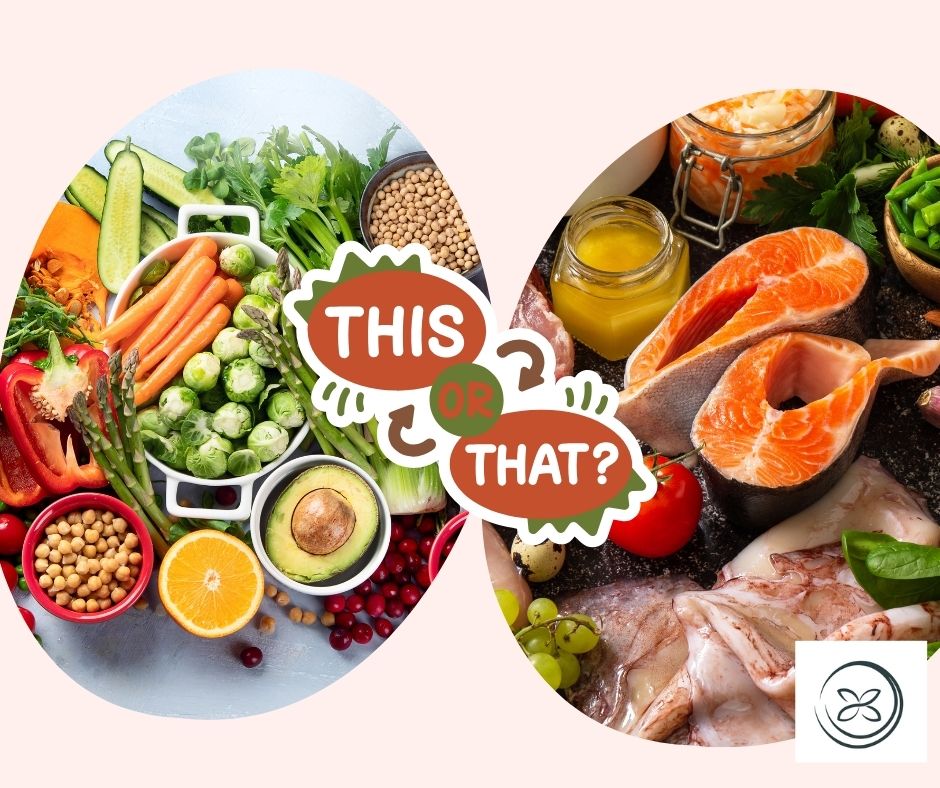
When you’re looking for ways to eat for autoimmune thyroid disease, two popular but very different approaches often come up: the Autoimmune Protocol (AIP) and a Whole Food Plant-Based (WFPB) diet. Both diets share the same goals—reducing inflammation, supporting immune function, and promoting better health.
AIP Diet
The AIP diet is an elimination diet that focuses on eliminating potential food triggers that may lead to autoimmune flare-ups or even be the source of inflammation.
While the AIP diet allows certain vegetables, it heavily emphasizes the importance of eating meats, fish, and certain non-starchy vegetables. This is to give your immune system a break by removing foods that could potentially irritate it. Over time, when your symptoms have decreased, you can reintroduce some of these foods to determine which ones, if any, are problematic for you.
The AIP diet excludes plant foods like grains, legumes, nuts and seeds, and nightshades due to their potential anti-nutrients and the belief that they can irritate the intestinal lining.

Whole Food Plant-Based Lifestyle
A whole food plant-based diet focuses on a wide variety of unprocessed plant foods in place of animal products, oils, flours, and refined sugars.
Rainbow Fruits and Vegetables: This plan encourages eating lots of different colors throughout the day. A rainbow of fruits and vegetables provides a broad spectrum of vitamins, minerals, and antioxidants that work together to combat inflammation.
Whole Grains and Legumes: These are staples in most WFPB plans. They add fiber, protein, B vitamins, and minerals which are vital for metabolic health and immune function. Only buy these organic! I encourage my clients to soak and sprout these before cooking to remove any anti-nutrients mentioned in the AIP plan.
I add eliminating some foods to the WFPB diet in autoimmune cases. For anyone with a chronic health concern, I remove gluten. That includes all gluten containing grains and their flours (which are not a whole food anyway).
Nuts and Seeds: Nuts and seeds are encouraged in a WFPB lifestyle (in moderation and in their whole form). They are high in healthy fats, protein, fiber, and phytonutrients that support the heart and reduce inflammation. I also recommend that these be purchased raw and organic and be soaked and sprouted to remove enzyme inhibitors and anti-nutrients.
Avoid Animal Products: Eliminating meat, dairy, and eggs reduces the intake of saturated fats and cholesterol which contribute to inflammation and other chronic health issues. It also eliminates toxins which are stored in fat. Red and processed meats are on the Probable Carcinogen list.
Read more about Meat, Dairy, and Eggs and Hashimoto’s here.
Comparing the Two: Short-Term Fix vs. Long-Term Sustainability
The AIP diet can help those who suspect certain foods might be at the root of their autoimmune symptoms. By removing common allergens and inflammatory foods, you might experience relief in the short term. The AIP diet is very restrictive and can be challenging to maintain over time. Many people find it difficult to stick to the diet long enough to reintroduce foods the way intended to identify triggers. This can lead to frustration and a possible return to old eating habits.
In our programs, we help our clients follow a whole food plant based eating style while reducing potential inflammatory triggers and common allergens. Actually, you can do the elimination and reintroduction in all of our group programs, CREATE A Healthier You, our upcoming 14 Day Liver Reset and Cleanse, and our Seasonal 5 Day Resets.
A whole food plant-based diet is not about restriction but about abundance and diversity. It includes a wide range of nutrients that are essential for health, including the gut and immune system. Gut health is usually involved in autoimmune conditions. The fiber, antioxidants, and phytonutrients in plants not only help manage inflammation but also promote a healthy microbiome needed for immune regulation and thyroid function.
Why Choose Whole Food Plant-Based?
While both diets have their merits, a whole food plant-based diet is sustainable and has holistic approach. It’s not just about getting symptoms under control; it’s about nourishing your body in a way that supports your health and longevity and reduces the risk of other chronic diseases. By focusing on what you CAN eat, you can create a dietary pattern that is both healing and fun. It is amazing at how creative you become and how delicious your foods look when you focus on adding plants and colors. This makes it easier to stick with in the long term.
How Do Plants Help?
Whole food plant-based diets naturally remove many of the common triggers that can lead to autoimmune flare-ups. By cutting out processed foods, added sugars, and animal products, you’re reducing the load on your body and giving it a chance to heal.
But here’s the thing—plant-based eating isn’t just about avoiding the bad stuff. It’s about packing your diet with anti-inflammatory foods that can boost your energy, help you shed stubborn weight, and lower antibodies that keep your immune system on high alert.
Eating a variety of whole plant foods floods your body with nutrients that work together to support thyroid function and modulate the immune system. For example, leafy greens like kale and spinach are packed with antioxidants that fight oxidative stress, while cruciferous vegetables like broccoli and Brussels sprouts have compounds that help the body detoxify.
When you eat a wide range of colorful fruits and vegetables, you’re giving your body a full spectrum of nutrients that support healing. The vibrant colors in foods like berries, peppers, carrots, and beets are a visual cue for the different antioxidants and phytonutrients they contain. These compounds work together to lower inflammation, protect cells, and promote energy production at the cellular level.

The Science
When you eat plant-based, you’re feeding your body foods rich in vitamins, minerals, antioxidants, and phytonutrients, some that haven’t even been discovered. Leafy greens already mentioned over and over again are loaded with iron and calcium, which we need for energy production and bone health.
Some people will say that we don’t absorb enough calcium from leaves, but if you eat a large variety of raw and cooked greens each day, your needs will be met. Nuts and seeds, especially flaxseeds and chia seeds, are high in omega-3 fatty acids, which are anti-inflammatory. These are also high in vitamin E.
What’s even better? These foods don’t just support your thyroid—they help balance your entire system. A balanced diet that’s rich in whole, plant-based foods can stabilize blood sugar, improve gut health, and even help with hormone regulation—all of these are necessary when dealing with autoimmune thyroid issues.
Where Do You Begin?
It might seem overwhelming to overhaul your entire diet, but the good news is that you don’t have to do it all at once. Start by finding ways to add more greens, then more colorful vegetables, and maybe sprouted whole grains.
Start adding ground flax seeds and soaked chia seeds to your breakfast. They are very filling and can help create a delicious pudding. As you add more plant-based foods to your plate, you’ll naturally start to crowd out the less healthy options.
And if you’re looking for guidance or inspiration, you’re in the right place. The Jen Twins, Jennifer Swank and I, have our eBook, Savor the Flavor of Festive Low Glycemic Plant-Based Recipes. This is packed with delicious recipes that are perfect for anyone looking to embrace a whole food plant-based lifestyle. It doesn’t matter where you are on your plant-based journey, Maybe you are just starting to dip your toes in.

Action Steps
1. Start Your Day with Plants
– Begin with a green smoothie or a chia pudding topped with fresh berries. Adding a handful of spinach or kale to your morning routine is an easy way to boost your nutrients right away.
– Swap out sugary and boxed cereals for a bowl of soaked chia seeds and sprouted oats with vanilla topped with berries and a sprinkle of cinnamon.
– Choose something less traditional, and have some steamed greens with mushrooms or a miso soup with lots of greens
2. Make Lunch a Veg-Fest
– Build a giant salad with mixed greens, shredded carrots, and avocado. Add a serving of last night’s leftovers, and dress it with a homemade dressing.
– Wraps are a great option too—use a romaine leaf, collard leaf, or nori sheet and stuff it with hummus, sliced cucumbers, bell peppers, and leafy greens.
3. Get Creative with Dinner
– Stir-fries are your friend. Sauté a mix of colorful veggies like bell peppers, broccoli, and snap peas in a splash of vegetable broth, then serve over brown rice or quinoa.
– Experiment with plant-based versions of your favorite dishes. Try a lentil Bolognese over zucchini noodles or a chickpea curry with a side of steamed greens.
-My favorite is a sheet pan meal. Throw sliced onions, red bell pepper, portobello mushrooms, and zucchini on parchment paper and roast in the oven. Serve with some cooked beans.

The Rainbow Diet For Your Whole Family
Getting your family on board with eating more plants can be really easy. The “rainbow diet” is a fun and effective way to make sure everyone’s getting a variety of nutrients.
- Make it a Challenge: Encourage your family to eat at least three different colors at each meal. For example, a breakfast smoothie could include blueberries, spinach, and a little banana.
- Tell the Kids to Pick: Let them choose a new vegetable to try each week. They’re more likely to eat what they’ve picked out themselves. AND get them to help you prepare it. The more they touch it and make decisions about it, the more likely they are to at least try it.
- Make it a Game: See who can spot the most colorful fruits and vegetables during your grocery shopping trips. This turns a routine task into an adventure and helps kids learn about the importance of diversity in their diet. Get them to count how many different fruits and vegetables are in the cart, and have them make sure all of the colors are in there, too.
These steps are setting a powerful example for your loved ones. Eating a rainbow of whole, plant-based foods can help reduce the risk of autoimmune flare-ups and support the health of your entire family.
Ready to Take the Next Step?
If you’re ready to feel more energized, reduce inflammation, and support your thyroid, consider giving plant-based eating a try. And remember, it’s not about perfection—it’s about progress. Every small change you make can add up to big improvements in your health.
Transitioning to a whole food plant-based diet is one of the most powerful steps you can take for your health. If you’re ready to dive in, I’ve got just the resource for you. Grab our ebook, The Jen Twins Recipes: Savor the Flavor of Festive Low Glycemic Plant-Based Recipes, packed with delicious, easy-to-make recipes that will help you on your journey to better health. Click here to find out more about our offerings.

 Wholistic Jen
Leave a comment