

By Jennifer Whitmire MS, MEd, MH, CHES, NEP
Ever wonder if your liver and thyroid are connected? If you’re dealing with an autoimmune thyroid condition like Hashimoto’s or Graves’, the connection is huge. Your liver does way more than just detox—it is busy processing hormones, managing inflammation, and keeping your immune system in check. When your liver is sluggish, it makes managing your thyroid that much harder.
What Is the Thyroid and Liver Connection
You might not realize it, but your liver is directly involved in your thyroid hormone balance. Here’s how it works: the thyroid produces a hormone called T4, which needs to be converted into T3—the active form your cells can actually use. Guess where most of that conversion happens? Yep, in the liver.
So, if the liver is clogged up with toxins, it’s like traffic during rush hour—nothing’s moving efficiently. Toxins slow down your liver’s ability to convert T4 to T3, which leaves us feeling sluggish, brain foggy, and struggling with weight. And that’s just the start. When the liver is overloaded, it can’t clear out the toxins effectively, leading to more inflammation and making autoimmune thyroid symptoms worse. Not fun, right?
Why a Liver Cleanse Can Make a Difference
A liver cleanse helps reset the system. It gives your liver the break it needs to catch up on its “to-do list” of detoxifying and balancing hormones. But don’t worry, we’re not talking about extreme, juice-only detoxes or weird potions. In The Jen Twins Cleanse, we start with a food reset and slowly adding herbs and supplements (totally optional and usually left out for a client’s first cleanse). We allow a full week to eliminate any potential food sensitivities and optimize nutrition and digestion BEFORE we start the cleanse.
A proper liver cleanse is all about supporting your body’s natural detox pathways with the right foods and habits. It’s about gently flushing out toxins while giving your liver the nutrients it needs to function better.

Adrenal Dysfunction and Its Impact on a Liver Cleanse
When dealing with an active autoimmune thyroid condition, adrenal dysfunction is often present. The adrenal glands produce hormones like cortisol, which help your body manage stress. When these glands are out of balance—either underactive (adrenal insufficiency) or overactive (high cortisol levels)—it can affect how your body responds to detoxification, including a liver cleanse.
The stress your body endures during adrenal dysfunction can have a direct impact on the liver. When cortisol levels are chronically elevated due to stress, the liver’s ability to detoxify becomes compromised. This leads to an increased burden on your liver, which is already working overtime to process hormones, toxins, and inflammatory byproducts. Adding a liver cleanse into the mix without considering adrenal health could actually worsen symptoms or lead to fatigue, headaches, or other negative side effects.
For those with adrenal dysfunction, a liver cleanse can become too stressful for the body. The process of detoxification often stirs up stored toxins, and if the adrenals are not functioning optimally, the body may struggle to handle this additional stress. This is why it’s crucial to go low and slow. A more gentle approach allows the body to process toxins at a manageable rate without overwhelming your system.
Taking breaks and knowing when to back off is key. If you start feeling worse during a cleanse—whether it’s increased fatigue, brain fog, or heightened stress—this may be a signal that your adrenals are struggling to keep up. Easing into the cleanse, rather than jumping in aggressively, allows your body to gradually adjust and better support the liver’s detoxification without overloading the adrenals.
Adrenal dysfunction affects how your body handles stress and detoxification, so it’s important to tailor any cleanse to your unique needs. If you want to do a cleanse and don’t want to do ours, find someone who understands both thyroid and adrenal health to ensure that you get the right pace, duration, and types of support to protect your body to prevent any potential crash, flare, or worsening of symptoms.

Steps to Support a Healthy Liver Cleanse
So how do you actually do a liver cleanse, especially if you have an autoimmune thyroid condition? Everyone’s detox needs are different, and what works for one person may not work for another. It’s important to listen to your body and not push too hard—otherwise, you could end up feeling worse instead of better.
1. Eat the Right Foods
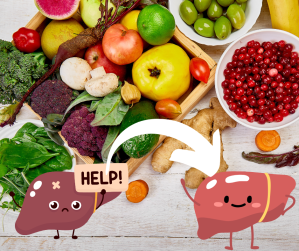
Start by adding liver-loving foods to your diet to help your body detox more efficiently and support your thyroid.
- Eat bitter foods: The liver LOVES bitter! Add arugula, dandelion greens, and beets to your meals. These stimulate bile flow and help your liver flush out toxins.
- Add cruciferous vegetables: Think broccoli, cabbage, and cauliflower. These veggies contain compounds that support your liver detox and also help with hormone balance.
- Include foods that stimulate bile production: Foods like artichokes, garlic, and bitter greens (like dandelion and arugula) help boost bile, which aids in detoxification.
- Consider herbs: Milk thistle, dandelion root, and turmeric are excellent for supporting liver function and reducing inflammation.
- Add anti-inflammatory spices: Turmeric and ginger not only support the liver but also help reduce inflammation which is helpful for autoimmune health.

2. Hydrate and Flush
Your liver needs plenty of water to flush out toxins, so make sure you’re staying hydrated throughout the day. A simple habit that’s super effective is starting your morning with a glass of warm lemon water. The citrus helps stimulate bile production, making it easier for your liver to do its job. Staying hydrated helps your kidneys and liver flush out toxins more efficiently.
3. Personalize Your Cleanse
This is so important, especially for those with autoimmune conditions. Your body might react differently to certain detox methods, so a one-size-fits-all approach just won’t cut it. That’s why I recommend working with a practitioner who can guide you through a gentle, tailored cleanse.
If your body is sensitive to detoxing too quickly, you might experience headaches, fatigue, or digestive issues. We don’t want that. A personalized plan will take into account your sensitivities and slowly introduce cleansing strategies that don’t overwhelm your system. If you’ve got food sensitivities or intolarances to gluten, dairy strawberries, … they can further stress the liver and contribute to inflammation, so identifying and avoiding those triggers is key.
4. Identify and Address Food Sensitivities
Speaking of sensitivities, one of the biggest stressors on your liver is dealing with food sensitivities. If you’re sensitive to gluten, dairy, eggs, peanuts, or even certain chemicals in foods, your liver has to work overtime to process these triggers, which can contribute to inflammation and immune dysfunction. I always recommend my clients with autoimmune conditions identify any food sensitivities through an elimination diet or testing. Cutting out inflammatory foods can take a load off your liver, allowing it to function better and reduce thyroid-related symptoms.
5. Support Your Gut
Did you know your liver and gut work together in detoxification? A healthy gut helps eliminate toxins from the body, and if your gut isn’t functioning well, those toxins can get reabsorbed and create a viscious cycle of inflammation.
Support your gut by incorporating prebiotic foods (like onions, garlic, jicama, green bananas, and leeks) and probiotic-rich foods (like sauerkraut, kimchi, dairy free yogurts, and kefir) to keep the beneficial bacteria in balance. When your gut is healthy, it takes some pressure off the liver, making detox more efficient.
Balancing Autoimmune Responses
When toxins build up in the liver, they trigger inflammation throughout the body. This is a problem for anyone, but it’s especially concerning for those with autoimmune thyroid conditions, where the immune system is already overreacting. Chronic inflammation can keep your immune system in overdrive which leads to more damage to the thyroid gland. A gentle liver cleanse can help reduce inflammation by removing toxins, which in turn helps calm the immune system.
This also ties into thyroid antibodies—if you’ve been monitoring your labs, you know these are markers of how aggressively your immune system is attacking your thyroid. Supporting your liver can help lower those antibodies over time, giving your thyroid a chance to heal.

Detox Done Right: Avoid Common Pitfalls
Detoxing too fast or without a plan can lead to feeling worse before you feel better. You don’t want to throw your liver into overdrive, especially if it’s already overwhelmed.
Start Slow. Don’t make drastic changes overnight. Instead of jumping into an intense cleanse, introduce liver-supportive foods gradually.
Watch Your Symptoms. If you start feeling fatigue, headaches, or digestive upset, that could be a sign you’re detoxing too quickly. Dial it back and focus on hydration and gentle detox practices like eating bitter greens or drinking herbal teas.
Supplement with Care. Supplements like milk thistle, glutathione, or dandelion can be helpful, but they’re not for everyone. Make sure to get guidance on which supplements are safe for you, especially if you have sensitivities.
Reducing Toxin Exposure for Long-Term Liver Health
After a cleanse, keeping your liver healthy requires a lifestyle shift. It’s not about doing a cleanse once and calling it good—it’s about reducing your toxin exposure over the long haul. That’s why people who join our 14 Day Reset and Liver Cleanse get to repeat it each spring and fall.
Go Organic. Pesticides, herbicides, and chemicals in non-organic produce are toxins that your liver has to process. Whenever possible, choose organic foods to minimize the toxic load on your liver.
Filter Your Water. Tap water often contains fluoride, chlorine, and even heavy metals—all of which are harmful to your thyroid and liver. Invest in a good water filter to reduce these contaminants.
Ditch the Processed Foods. Processed foods are full of additives, sugars, preservatives, and other chemicals that can slow down liver function. Stick with whole, unprocessed foods for the best liver support.
The Takeaway: Why a Liver Cleanse is Essential for Autoimmune Thyroid Health
A liver cleanse isn’t just about detoxifying—it’s about giving your thyroid a chance to function optimally. By supporting your liver with the right foods, reducing toxin exposure, and personalizing your approach, you can help reduce inflammation, balance thyroid hormones, and improve your overall health. Remember, everyone’s detox needs are different, so taking a slow, tailored approach is key to avoiding setbacks and feeling your best.
What to Expect After a Liver Cleanse Many people notice more energy, clearer thinking, and even weight loss after supporting their liver with a gentle cleanse. And if you’re dealing with autoimmune thyroid issues, you may also notice fewer thyroid symptoms, like less brain fog, better energy, and a reduction in thyroid antibodies over time. Of course, results vary and YOU have to do the work, but it’s all about giving your body a chance to heal from the inside out.
Join The Jen Twins 14-Day Liver Cleanse
Ready to give your liver and thyroid a fresh start? Join The Jen Twins 14-Day Liver Reset and Cleanse! This is a gentle cleanse is designed for supporting your liver and thyroid health. You’ll get 3 LIVE sessions with Q&A (if you sign up before Oct 7, 2024), daily tips, recipes, workbook, step-by-step guide, and group support and accountability. Let’s get started! Click here to sign up!


Leave a comment