


By Jennifer Whitmire MS, MEd, MH, CHES, NEP
Food is more than just fuel. We need it for every part of our body. It’s your frontline defense when it comes to autoimmune thyroid diseases, like Hashimoto’s or Graves’ disease. What you eat—actually… what you absorb—can make or break your path to healing. Even with all the “healthy eating” advice out there, so many of us still feel tired, inflamed, and stuck.
Here’s the truth: you could eat the healthiest foods in the world and still be nutritionally depleted if your body isn’t absorbing those nutrients properly. That’s the challenge with autoimmune disease.
Why Is Nutrition So Critical for Autoimmune Thyroid Disease?
The thyroid is a small, butterfly-shaped gland with a big job—it regulates metabolism, body temperature, energy levels, and even mood. But when autoimmune antibodies attack the thyroid, it’s like your body’s wiring has gone rogue. It leads to hormonal imbalances, fatigue, weight fluctuations, and brain fog.
Nutrients are the tools your thyroid needs to function properly and repair itself. Yet studies show that people with autoimmune thyroid disease are more likely to suffer from deficiencies in key nutrients like selenium, zinc, iodine, iron, and vitamins D and B12.
Why?
- Chronic inflammation: Autoimmune illnesses trigger constant low-grade inflammation that requires more and ends up depleting nutrient stores. Look over your blood work history, and you will most likely see that a few markers are consistently out of range in your CBC. These are usually disregarded by conventional medical docs, but we know that these trends are a signal for a necessary change.
- Poor gut health: The majority of people with Hashimoto’s and Graves have gut issues like leaky gut or dysbiosis which impair nutrient absorption. And you cannot always feel gut problems. I had no idea that I had any gut issues!
- Food sensitivities: Gluten, dairy, and other common triggers like peanuts, eggs, and corn can inflame the gut lining which also reduces absorption. If there is a food that you crave, it can be a sign of a gut imbalance. Isn’t that weird? You need a dopamine hit – dopamine is created in the gut, and when you have a gut imbalance you can’t create it. That food will give you the hit you’re looking for until you learn how to heal your gut.
- Medications: Some thyroid meds, steroids, antibiotics, antacids, and more interfere with nutrient uptake. Even over the counter meds interfere with absorption of nutrients.
The result? Even with a “clean diet,” your body may struggle to get the nutrition it needs to thrive.

The Truth About Nutrients for Thyroid Health
Let’s bust some common myths about nutrients and autoimmune thyroid disease.
- Myth #1: “I just need to take my supplements.”
Supplements can help, but they’re not a magic fix. Without addressing gut health and absorption issues, much of what you take in pill form will pass on through and won’t get used. And think about it… your body has to break down that capsule and/or deal with all of the fillers and “other ingredients” included with that supplement. The most important thing is to aim to get all of your nutrients from food and use supplements as a supplement, not a fill-in for a poor diet! - Myth #2: “Eating raw greens is always better.”
I LOVE my cruciferous veggies like kale and broccoli. They are superstars for health, but we are all unique, and raw versions are not always appropriate for everyone. Some people do better with light steaming to keep these veggies nutritious and thyroid-friendly. If you have gut issues, raw foods in general may not be right for you until you get things under control. - Myth #3: “Carbs are the enemy.”
Low-carb diets are trendy, but for those with an adrenal imbalance and thyroid issues, overly restricting carbs can worsen fatigue and hormone imbalances. The key is to focus on smart carbs like root vegetables, quinoa, and sprouted beans and grains while keeping an eye on your blood sugar. If you have trouble sleeping, it may because you have cut your carbs too low.
Want to learn more about sugar and your health? Check out our Blood Sugar Workshop.
Eat for Absorption
Boosting nutrition isn’t just about what you eat; it’s about how well your body can absorb and use those nutrients.
1. Heal Your Gut First
The gut-thyroid connection is undeniable. A leaky or inflamed gut can block nutrient absorption and worsen autoimmune flares.
- Load up on fiber: Whole plant foods like chia seeds, flaxseeds, and leafy greens feed beneficial gut bacteria which promotes a balanced microbiome. But… go low and slow. If you haven’t been eating a lot of fiber, introduce it slowly to increase the beneficial microbes without creating cramping and gas.
- Incorporate fermented foods: Raw, unpasteurized sauerkraut, kimchi, and homemade dairy free yogurt are rich in probiotics which support gut lining repair.
- Limit gut irritants: Eliminate gluten and dairy completely for 6 months. Not a little here and a little there, get rid of it completely and cut out processed foods which can worsen inflammation. Don’t be gluten free at home but eat it when you go out. That will create a situation where you aren’t allowing the body to heal.
- Eat gut-bug loving foods: Add foods that contain prebiotics and focus on rainbow foods. Foods like Jerusalem artichokes, green bananas, and even mushrooms not only feed the beneficial microbes, so they reproduce, the products those microbes produce heal the gut lining.
2. Balance Blood Sugar
Thyroid and blood sugar are tightly linked. Frequent blood sugar spikes and crashes can lead to fatigue, weight gain, and hormone imbalances.
- Start your day with a balanced meal that includes amino acids, complex carbs, and healthy fats: A smoothie with hemp seeds, almond butter, spinach, and blueberries is a great option.
- Choose low-glycemic fruits: Berries, green apples, and citrus won’t spike your blood sugar like tropical fruits might. You may need to watch your serving size, though. Some people can handle up to a cup of blueberries while others can only handle ¼ cup-test it! Try a CGM, you can get them over the counter, or buy an inexpensive test and check your blood sugar OFTEN. You can’t just randomly pick a time after you eat to test – mine is highest about 45 minutes after I eat, but some people see theirs peak at 25 minutes or 1 hour. (That’s why a CGM is so helpful).
- Avoid sugar traps: Watch out for “healthy” snacks loaded with hidden sugars. ALWAYS READ INGREDIENTS and look for words ending in -ose or anything puffed or turned into a flour. Tapioca flour and tapioca syrup are both going to be like sugar to your body. Rice flour = sugar. Corn starch = sugar. Puffed Quinoa = sugar.
3. Pair Nutrients Strategically
Certain nutrients work better together while others compete for absorption.
- Vitamin C + Iron: Pair vitamin C-rich foods (like red bell peppers) with plant-based iron sources (like lentils) to maximize absorption.
- Zinc + Selenium: These thyroid super-nutrients work synergistically to reduce inflammation and support hormone production. Add Brazil nuts (selenium) and pumpkin seeds (zinc) to your meals.
- Fat-soluble vitamins + Healthy fats: Vitamins A, D, E, and K need fats to be absorbed. Drizzle tahini over roasted veggies or add avocado to your salad.
Nutrient Density Made Easy
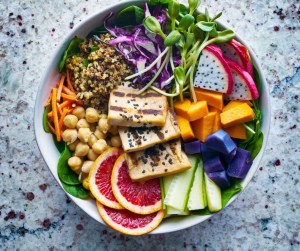
A colorful plate isn’t just pretty—it’s packed with antioxidants, vitamins, and minerals. Different colors signal different phytonutrients, each with unique healing properties. Eat the Rainbow!
- Red (anti-inflammatory): Tomatoes, red peppers, and strawberries are rich in lycopene and anthocyanins which are good for the heart and brain and combat oxidative stress.
- Orange (immune support): Carrots, sweet potatoes, and oranges are loaded with beta-carotene for skin and eye health but also immune health and a healthy gut lining.
- Yellow (mood boosters): Turmeric, pineapple, and yellow peppers provide natural serotonin-boosting compounds.
- Green (thyroid heroes): Spinach, broccoli, and Brussels sprouts are full of minerals and loaded with folate, magnesium, and other thyroid-friendly nutrients. And don’t forget herbs, herbal teas, and Sea Veggies!
- Purple (brain health): Eggplant, purple cabbage, and blueberries contain anthocyanins that protect against cognitive decline and DNA damage.
Cooking Hacks for Maximum Nutrition
Little tweaks in how you prepare your food can significantly boost nutrient absorption.
- Soak and sprout your grains and legumes: This reduces anti-nutrients like phytic acid and other enzyme inhibitors and improves mineral absorption.
- Don’t overcook veggies: Steaming or roasting preserves nutrients better than boiling. If you do boil foods, save the cooking liquid to use in soups and smoothies. But… remember that vitamins, some minerals, and enzymes are destroyed in cooking, so be sure to include some raw foods, if possible, to make up for nutrients lost.
- Add citrus to greens: A squeeze of lemon or even apple cider vinegar add to a pot of cooked collards, spinach, or kale helps unlock iron and calcium from leafy greens.

Supercharge Your Plate with Healing Herbs
When it comes to autoimmune thyroid disease, herbs are more than just a sprinkle of flavor. Here are some top herbs to consider for thyroid health, along with important caveats.
*Remember there is NO ONE SIZE FITS ALL*
Ashwagandha
This adaptogen supports adrenal health and balances cortisol, which is crucial for thyroid function. However, it’s not right for everyone. While some people thrive on ashwagandha, it has been linked to thyroid storms in some people. Proceed with caution, especially if your
Eleuthero or Siberian Ginseng
Known as a gentle adaptogen, eleuthero supports energy, stress resilience, and immune function. Siberian ginseng is less likely to overstimulate than other ginsengs, making it a good choice for people with adrenal fatigue or chronic stress. It can help balance your energy without causing spikes or crashes.
Turmeric
Turmeric is a superstar anti-inflammatory herb that helps calm autoimmune flares and reduce oxidative stress. If you’re using turmeric supplements or cooking with it, always pair it with black pepper to boost absorption of its active compound, curcumin.
Ginger
Ginger is a warming herb that supports digestion and reduces inflammation. It is perfect for calming the gut and soothing systemic inflammation. Add it to teas, soups, stir-fries, or even juice it for a potent anti-inflammatory tonic.
Nettle
Rich in minerals like iron, calcium, and magnesium, nettle is my favorite natural mineral source. It is great for replenishing nutrient stores that are often depleted in autoimmune thyroid disease. Brew nettle tea or use a tincture to boost your daily mineral intake.
Optimizing Autoimmune Health Through Advanced Testing
If you’re doing “all the right things” and still struggling, functional lab testing can uncover hidden issues.
- Nutrient deficiencies: Even subtle imbalances can have a big impact on thyroid function. Did you know your basic annual blood work can provide valuable clues about nutrient deficiencies? Jennifer Swank and I, The Jen Twins, offer workshops that teach you how to interpret these labs for actionable insights.Here is a short episode where I discuss some labs.
- Food sensitivities: Identifying triggers like gluten, soy, or nightshades can reduce inflammation. Food sensitivity testing is not always reliable, though. If you have leaky gut, everything you eat is going to show up, because those proteins are passing into your blood. If you have leaky gut, it is much better, safer, and reliable to do a food elimination protocol. In such cases, a guided elimination protocol is a safer, more reliable approach. The Jen Twins offer a 6-week elimination diet program and seasonal 2-week liver cleanses that help clients identify triggers while supporting detoxification and gut healing.
- Gut Health Markers: Tests like the GI Effects or Gut Zoomer can uncover issues like leaky gut, dysbiosis, or infections that require targeted intervention. These tools are especially helpful for clients who are “doing all the things” but not seeing results. They include markers about gut lining health and identify parasites, protozoa, or pathogenic bacteria that may be contributing to thyroid dysfunction.
- DUTCH Testing: For a deeper look at hormonal health, the DUTCH (Dried Urine Test for Comprehensive Hormones) test is invaluable. It measures cortisol patterns, sex hormones, and their metabolites giving us a comprehensive picture of adrenal and hormonal balance. Imbalances in cortisol, estrogen, or progesterone can directly affect thyroid function as well as your risks for cancer and bone loss. By understanding your stress response and hormone levels, you can create a more targeted plan.
These tests provide critical information about the root causes, so you can achieve better health results. These tools can be game changers if you’re stuck in your autoimmune journey.

Busting the “One-Size-Fits-All” Myth
Your autoimmune thyroid journey is as unique as your fingerprint. While general guidelines are helpful, personalization is the key to lasting results.
- Experiment with foods to find what works best for your body.
- Keep a food journal to track how meals affect your energy, mood, and symptoms.
- Consider working with a holistic health coach or team for tailored support.
A Hopeful Reminder
It’s easy to feel overwhelmed when managing a chronic condition, but every small step adds up. By focusing on nutrient-dense, whole plant foods and supporting your gut, you’re not just eating for today—you’re laying the foundation for a healthier future.

Take the Next Step with the Zen and Zest Zone
Ready to supercharge your nutrition and healing journey? Join the Zen and Zest Zone, a membership designed to support you every step of the way.
Here’s what you’ll get:
- Exclusive Events: Find joy and connection in monthly Laughter Yoga Sessions, guided meditations, and more.
- Cooking Classes: Discover the healing power of food with our interactive Food as Medicine classes and delicious recipe guides.
- Holistic Learning: Each month, we’ll focus on a new wellness topic, diving into the practical uses of foods and herbs as medicine and make herbal remedies and crafts.
- Fitness and Fun: Enjoy movement classes and try exciting hobbies designed to promote holistic wellness.
- Personal Support: Get your questions answered during live Q&A sessions after each class.
- Positive Transformation: Participate in monthly challenges to shift your mindset and spark growth.
Exclusive Discounts: Save on supplements, programs, and resources tailored to your wellness goals. All for just $39/month or $390/year.


Leave a comment