

By Jennifer Whitmire MS, MEd, MH, CHES, NEP
28 Years of Nutrition, and I’m Still Learning
And, I still get thrown for a loop sometimes. New data comes out constantly—sometimes it’s subtle, other times, it’s like a wrecking ball smashing through everything we thought we knew.
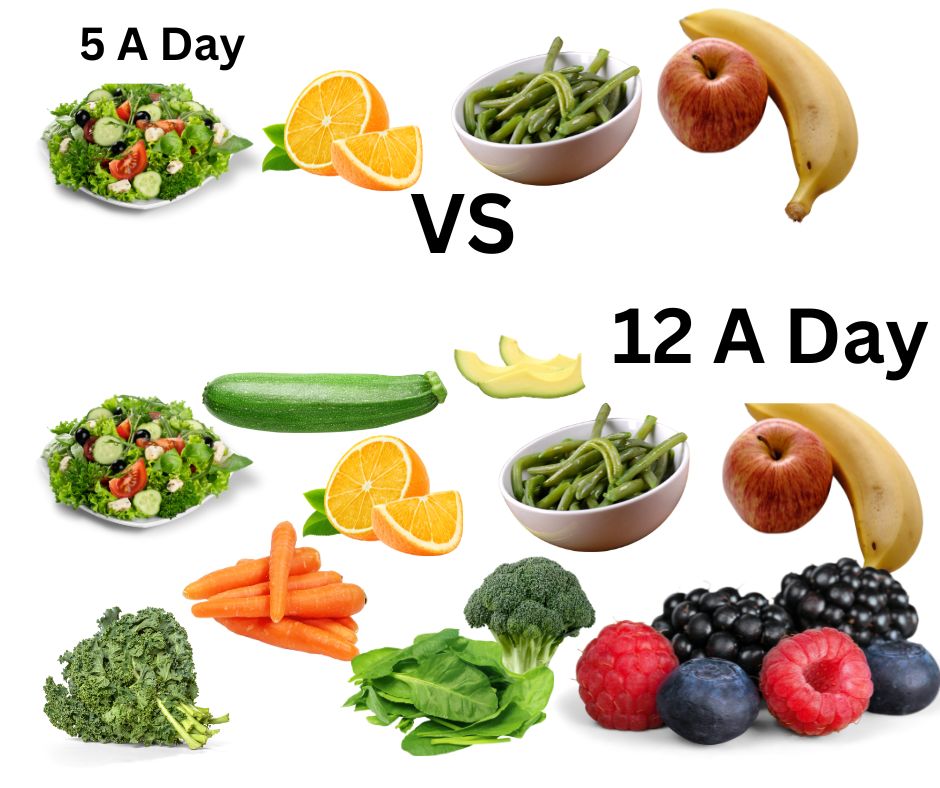
Remember when “5-a-day” was the recommendation for fruits and veggies? Did you know that is to survive? It’s not for optimal health. It’s what you have to have each day, minimum.
Surviving isn’t the goal here. Thriving is. Especially today, when depleted soils and a toxic environment mean our bodies need more and nutrients than ever before. That’s why many experts now recommend closer to 12 servings of fruits and vegetables daily. And let me tell you, 20 years ago, when I first heard about eating 12 a day from Dr Weil and a pound of raw veggies and a pound of cooked vegetables every day from Dr Furhman, I thought it was nuts. Who has time for that? How could anyone fit that much into their body?
But here’s the thing—it’s possible, and it’s easier than you think. Over time, I learned how to add this much to my meals, and now it’s something I teach in my classes and The Zen & Zest Zone. This is how we thrive!
The Science of Thriving
Here’s why these extra servings matter: our bodies rely on vitamins, minerals, and phytochemicals to perform thousands of functions every day. From repairing tissues to producing hormones, to detoxifying, and regulating the immune system, these nutrients are necessarry.
Modern agriculture has stripped our soils of essential minerals like magnesium, zinc, and selenium.
That means even if you’re eating plenty of fruits and veggies, they may not be as nutrient-dense as they were 50 years ago.
On top of that, we’re bombarded by environmental toxins—pesticides, plastics, heavy metals, smog, fumes, …—that put extra stress on our bodies.
What does this mean for you? Your liver has to work harder than ever. To support it, you need an abundance of nutrient-dense foods like leafy greens, cruciferous vegetables, and colorful fruits. The liver needs lots of vitamin C, B vitamins, amino acids, and antioxidants just to function. These are medicine for your body.

Doing Your Homework
Here’s the thing about nutrition advice: you can’t just take every headline at face value, not even mine. We live in an era where influencers sometimes carry more weight than scientists, and doctors use their MD and strong marketing tactics to push us to buy their supplements. So, when you hear the latest trend—whether it’s about fasting, eating patterns, a new supplement or superfood, or protein needs—stop and ask yourself if this is really true.
One week, eggs are public enemy number one; the next, they’re hailed as a superfood. The same goes for carbs, fats, and even water fasting.
When you hear new advice, dig deeper:
- Who’s behind it? Is it a respected scientist or an influencer with no credentials?
- What’s the research? Are there multiple studies supporting the claim, or is it cherry-picked data?
- Is there bias? If someone’s selling a supplement or product, take their advice with a grain of salt.
If the advice comes from a reputable study or well-respected experts, still dig deeper. Learn the why behind the claim and how it applies to your body and your life. Nutrition science evolves, but you need to be your own advocate. Not every trend is backed by sound research, and not every piece of advice will work for your unique body.

The Intermittent Fasting Hero
Let’s talk about fasting. When intermittent fasting started gaining popularity, I thought, “This isn’t groundbreaking; I’ve been fasting 12 hours a night since forever.” You know the drill—stop eating at 8 p.m., have breakfast at 8 a.m. Easy, right?
Then came the wave of advice to extend those fasting windows or incorporate breaks between meals. Suddenly, the “five to six small meals a day” rule that we were taught in nutrition courses became outdated. Now, research shows that two to three well-balanced meals with four or five hours between them is better for stabilizing blood sugar, regulating insulin, and giving your body the rest it needs to repair.
For someone with autoimmune disease, like autoimmune thyroid disease, these rest periods can be critical. Digestion takes energy, and giving your body breaks to focus on healing rather than constantly processing food can reduce inflammation and improve energy levels.
But then came the longer fasting windows: 16:8, 18:6, and even 20:4. These methods suggest eliminating a meal or even eating just one meal a day, which sounded extreme.
Here’s the tricky part: not all fasting protocols work for everyone, especially those with autoimmune thyroid disease. For many of us, eating earlier in the day and avoiding late-night meals is critical for stabilizing blood sugar and reducing stress on the adrenals. If you’re fasting but feel fatigued, shaky, or irritable, it’s time to rethink your approach. For some of us, going to long between meals adds more stress to an already stressed body.
The Protein Puzzle
Another hot topic is protein. Everywhere you turn, someone is saying you need 30 grams of protein per meal to build muscle and maintain health. That number might hold true, but the source of your protein matters just as much.
For years, I was taught that vegans had to meticulously combine foods at every meal to ensure they got “complete proteins.” The idea was that if you didn’t pair your rice with beans or your bread with peanut butter, you’d miss essential amino acids.
Today, we know better. Science has shown that our bodies are incredibly efficient at recycling and recirculating amino acids.
As long as you’re eating a varied, whole-food diet, you’ll meet your amino acid needs and then some.
This is especially critical for those of us managing autoimmune diseases. The way we source our protein can either be healing or hurting. Animal proteins, especially when cooked at high temperatures and/or in oils, promote inflammation and strain digestion. They require more energy and more digestive enzymes to break down into usable amino acids, which can strain an already overtaxed immune system.
Think about it. What happens when you cook a steak or a burger? You place the meat on the grill or in a pan, and it shrinks. The proteins congeal and coagulate, forming strong bonds that your body has to work hard to break apart.
Do you feel really full after eating meat? Maybe it lingers in your stomach a little too long, or you notice yourself burping more than usual. That’s your body signaling that it needs more enzymes and stomach acid to tackle those tightly bonded proteins.
Or, maybe your blood work shows that you aren’t eating enough protein, so you’re eating more and more and those numbers don’t improve. It’s not an intake problem! It’s a processing problem. You need to work on absorbing proteins. Chewing properly, taking digestive enzymes, eating in a relaxed state, and being mindful of your meal and your chewing will all help you absorb more nutrients.
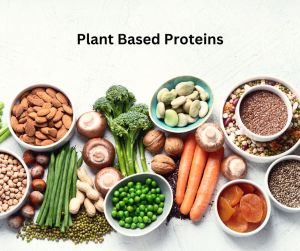
Plant-based proteins are easier to digest, less inflammatory, and just as effective for tissue repair and regeneration. Foods like dark leafy greens, nuts and seeds, beans and lentils, quinoa, tofu, and even green vegetables like broccoli deliver all the amino acids your body needs without the inflammatory baggage.
As a bonus, they come packed with fiber to support the gut and the vitamins and minerals needed to help your body detoxify naturally. They deliver the amino acids your body needs without the side effects of inflammation and sluggish digestion.

Blood Markers: Early Warning Signs
Sometimes, the body whispers before it shouts. Blood markers can be those subtle nudges that tell us something’s off long before symptoms appear. Have your white blood cell counts been slightly out of range? Is your cholesterol creeping up? These aren’t just random numbers on a lab report—they can be early signs of chronic inflammation.
C-reactive protein (CRP), homocysteine, cholesterol, and fasting glucose and fasting insulin levels are other key markers to watch. Slight elevations might mean your body is battling low-level inflammation or dealing with stressors it can’t fully manage. Ignoring these signs is like driving with your check engine light on—it won’t end well.
C-Reactive Protein (CRP): Your Inflammation Alarm
CRP is a protein produced by the liver in response to inflammation. When your CRP levels are elevated, it’s like a smoke alarm going off in your body—it doesn’t tell you exactly where the fire is, but it’s a clear signal that something is wrong. Chronic inflammation, usually from poor diet, stress, or underlying autoimmune conditions, is a key factor in many diseases, including heart disease, diabetes, and autoimmune disorders.
While CRP can be elevated during acute illnesses like infections, persistently high CRP levels are a red flag for systemic, low-grade inflammation. A S.A.D. diet high in refined carbohydrates, trans fats, and processed foods can contribute to this, while anti-inflammatory foods like leafy greens, berries, nuts, and seeds can help bring CRP levels down over time.
Homocysteine: The Methylation Marker
Homocysteine is an amino acid that serves as a marker for how well your body is managing methylation, a critical biochemical process in detoxification, DNA repair, and producing neurotransmitters. Elevated homocysteine levels can be a sign of poor methylation and be linked to low B vitamins—specifically B6, B12, and folate.
High homocysteine levels are associated with an increased risk of cardiovascular disease, as well as cognitive decline and neurodegenerative conditions. If your levels are elevated, it may point to a need for more B-vitamin-rich foods, such as dark leafy greens, legumes, and fortified nutritional yeast, or even supplementation. Improving gut health can also support methylation. A healthy microbiome is needed for absorption of these essential nutrients.
Cholesterol: More Than Just Heart Health
Cholesterol is usually a bad word, but it’s a critical molecule in the body and is responsible for hormone production, cell membrane integrity, and even brain health. When cholesterol levels are out of balance—particularly with elevated LDL (“bad” cholesterol) or low HDL (“good” cholesterol)—it can be an indicator for inflammation or poor metabolic health.
Diet plays a massive role in cholesterol levels. Consuming excessive saturated fats, refined sugars, and processed foods can lead to higher LDL levels, while whole food plant-based diets rich in fiber have been shown to lower LDL and increase HDL.
We’re taught that fiber, particularly from foods like oats, legumes, and flaxseeds, binds to cholesterol in the digestive tract, helping to eliminate excess and keep levels in check. But, remember that we are all unique!
I am sensitive to oats. For me, oats may have the beneficial fiber, but they also create inflammation. That’s not going to help my cholesterol. Also, for me, my cholesterol went up when I stopped eating beans and grains and limiting my carbs. When I added beans back, only a serving a day, my cholesterol went down very quickly.
For those with autoimmune conditions, cholesterol imbalances may also be linked to systemic inflammation, which can interfere with the body’s ability to regulate lipid metabolism.
Fasting Glucose and Fasting Insulin: The Blood Sugar Connection
Fasting glucose and insulin levels provide clues into how well your body manages blood sugar. High fasting glucose can indicate prediabetes or diabetes, while elevated fasting insulin may point to insulin resistance, a condition where cells become less responsive to insulin, forcing the pancreas to produce more to keep blood sugar stable. This also leads to inflammation plus many other disease risks.
Insulin resistance is a hallmark of metabolic syndrome and is closely linked to inflammation, oxidative stress, and autoimmune diseases. Chronically high insulin can also contribute to weight gain, hormone imbalances, and even an increased risk of certain cancers.
Lowering fasting glucose and insulin levels starts with a diet rich in low-glycemic, whole plant foods. Foods like leafy greens, cruciferous vegetables, non-starchy vegetables, and healthy fats (avocado, nuts, and seeds) help stabilize blood sugar and improve insulin sensitivity. Regular movement—like walking after meals—can also enhance glucose uptake by cells, reducing the strain on the pancreas.
If your markers are out of range, it’s a sign that something needs to change. Small tweaks to your diet—like adding more raw greens, reducing processed foods, or adding in anti-inflammatory herbs like turmeric and ginger—can make a huge difference.
Food as Medicine
Why don’t we connect the dots between what we eat and how we feel? Unlike our veterinarian, human doctors rarely mention diet when treating aches, pains, or autoimmune issues. But think about it: food is fuel. The quality of that fuel determines how well our engines run. Stiff joints, low energy, poor sleep, thinning hair—these aren’t just random issues; they’re signals from your body that something is off.
If your body feels stiff, achy, or sluggish—or if you’re dealing with issues like anxiety, trouble sleeping, or thinning hair—food should be the first place you look. Nutrient deficiencies, inflammatory foods, and poor eating habits often lie at the root of these problems.
Autoimmune diseases thrive in environments of chronic inflammation. Inflammatory foods like processed oils, processed flours, sugars, pasteurized dairy, and red and processed meats can trigger inflammation and flare-ups. By choosing anti-inflammatory, nutrient-dense foods, you can calm your immune system, lower your antibodies, reduce flare-ups, and help your body heal.
Here’s a simple rule of thumb: if it grew from the earth, it’s likely to nourish you. If it was manufactured in a factory, it’s more likely to harm you.

Navigating the Overwhelm
One day, eggs are terrible for you; the next, they’re a superfood. Carbs are the devil until they’re not.
But here’s what I’ve learned in my 28 years of studying nutrition: it’s all about tuning in to your body. Use the data—blood markers, symptoms, and even your energy levels—as a guide. And remember,
the best diet is the one that works for you, aligns with your health goals, and is sustainable long-term.
So, the next time you feel overwhelmed by conflicting advice, take a deep breath, do your research, and make small, intentional changes. Thriving isn’t about following trends—it’s about finding what nourishes you best. That means staying curious, questioning trends, and being willing to adapt as new information comes to light.
If you’re feeling overwhelmed by conflicting advice, you’re not alone. The good news is, you don’t have to figure it out on your own. That’s why we created The Zen & Zest Zone, a supportive community where we teach you how to cook nourishing, anti-inflammatory, plant based meals, how to use foods and herbs as medicine, how to tap into your relaxed state, and how to move your body in a safe manner for you.
In The Zen & Zest Zone, you’ll get:
- 4+ live-online workshops each month
- Easy to follow, nutrient-dense, plant-based recipes
- Guided support to help you implement changes without overwhelm
Let’s rewrite the script on health together. Join us in The Zen & Zest Zone and start thriving today. Click here to learn more.
 Wholistic Jen
Leave a comment