


By Jennifer Whitmire, MS, MEd, MH, CHES, NEP
You may be experiencing symptoms like feeling drained, foggy, and struggling with weight changes, hair loss, and inflammation. Maybe your doctor told you food has nothing to do with it, mine sure did. You may need medical intervention to get symptoms under control while you make changes, but depending on your situation, you may be able to leave the medicine behind!
(I can’t. I was betrayed by the medical system, and now I am left as a victim stuck in the system. You can listen to my story here.)
The foods you eat can either fuel the fire of autoimmune attacks or help calm inflammation and support reversing your condition. By shifting to a whole food, plant-based diet rich in nutrients, minerals, and fibers that fuel your whole body and all of your energy systems, you can take control of your health and feel energized.
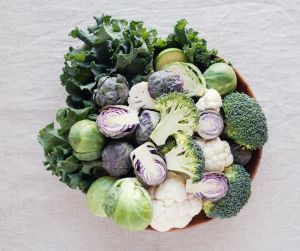
Top Foods for Autoimmune Thyroid Healing
- Cruciferous Vegetables
You would have to eat 17 pounds of kale, cabbage, etc DAILY to suffer the goitrogenic effects that block iodine absorption. Stop being afraid of these vegetables!
Despite the myth that cruciferous veggies like kale, broccoli, and Brussels sprouts harm the thyroid, they actually provide powerful anti-inflammatory and detoxifying compounds.
Cancer risk increases with autoimmune disease, and cruciferous vegetables not only cool inflammation, but they also help to reduce that risk.
Cholesterol tends to go up when autoimmune antibodies go up, but cruciferous vegetables also help to lower cholesterol.
Still worried about goitrogens? Light steaming or fermenting reduces any potential goitrogenic effects while still preserving their benefits. And add some sea vegetables as seen below.
| Category | Vegetable | Key Health Benefits |
| Leafy Greens | Kale | Rich in antioxidants, supports liver detox, anti-inflammatory |
| Arugula | Supports nitric oxide production, heart-healthy, alkalizing | |
| Collard Greens | High in calcium, aids digestion, supports bone health | |
| Bok Choy | Supports immune function, rich in vitamins A and C | |
| Cabbage Family | Green Cabbage | Promotes gut health, supports digestion, rich in vitamin K |
| Red Cabbage | High in anthocyanins, anti-inflammatory, supports heart health | |
| Napa Cabbage | Supports digestion, mild flavor, rich in fiber | |
| Broccoli Family | Broccoli | High in sulforaphane, supports detox, balances hormones |
| Broccoli Sprouts | Concentrated sulforaphane, powerful detoxifier, supports cellular health | |
| Romanesco | High in fiber, supports digestion, contains carotenoids | |
| Flowering Veggies | Cauliflower | Supports detox pathways, good for gut health, versatile |
| Brussels Sprouts | Supports gut microbiome, high in fiber, helps balance blood sugar | |
| Root Vegetables | Daikon Radish | Supports digestion, mild detoxifier, anti-inflammatory |
| Turnips | Supports liver function, rich in fiber, aids in digestion | |
| Other Varieties | Kohlrabi | High in vitamin C, supports immune function, aids digestion |
| Watercress | High in phytonutrients, supports detox, anti-cancer properties |
- Sea Vegetables for Natural Iodine
Nori, dulse, and wakame provide a natural and gentle source of iodine, essential for thyroid hormone production. Sea vegetables also help in detoxification which helps with balancing all hormones, not just thyroid hormones.
Most thyroid diseases have a connection to toxins, from endocrine disrupters in plastics and bath and body products to heavy metals. Sea vegetables can help to bind to and remove toxins.
Sea vegetables are high in all minerals, especially iodine but also calcium, magnesium, and phosphorus needed for bones. In autoimmune thyroid disease, the treatments and the disease itself can quickly deplete the bones. The risk of osteoporosis is high for this population, so adding sea vegetables can help (BUT … add strength training, too).
- Brazil Nuts for Selenium
Selenium is needed for converting thyroid hormones into their active form and protecting against inflammation. Selenium also helps us produce glutathione, which is necessary for detoxification and has been shown to help lower antibodies.
Most of the body’s selenium is found in the thyroid where it acts an antioxidant and protects the thyroid. This protects the thyroid from damage from toxins, free radicals, and even excess iodine.
Just 2-3 Brazil nuts per day provides your daily selenium needs. Don’t consume too many, because there is a limit to how much you selenium you should have in a day.
- Pumpkin Seeds & Hemp Seeds for Zinc
Zinc supports immune function and helps regulate thyroid hormone production. Zinc is also necessary for thyroid hormone conversion. It is needed to produce TSH, TRH (thyrotropin-releasing hormones), and T cells. Studies have shown that increased zinc has helped in lowering TSH, but as with all supplements, it is better to get your zinc from foods.
A Zinc deficiency increases susceptibility of thyroiditis and autoimmune diseases!
Zinc helps in leaky gut repair. In most cases, there is some leaky gut (intestinal permeability) present in autoimmune diseases. Zinc helps in tightening the intestinal junctions and in reducing systemic inflammation present in autoimmune disease.
Sprinkle pumpkin and hemp seeds on salads, smoothies, or soups for a daily boost.

- Berries & Pomegranate for Antioxidants
High in polyphenols and vitamin C, berries and pomegranates help reduce oxidative stress and inflammation in the thyroid. These fruits also support gut health needed for immune balance. Berries help reduce systemic inflammation and even CRP (C-reactive protein) which is a marker for inflammation and is usually elevated in autoimmune diseases.
Berries are high in antioxidants that help to reduce cellular damage from auto-antibodies. They also help to increase beneficial microbes in the gut to help with healing the gut, boosting mood, and regulating the immune system.
Adding blueberries, blackberries, raspberries, and more to your meals is a super quick and easy way to help.
- Fermented Foods for Gut Health
Sauerkraut, kimchi, coconut yogurt, and fermented vegetables are full of probiotics to support a healthy microbiome, which plays a key role in regulating immune responses and calming autoimmunity. Increasing microbial diversity helps to reduce inflammation and improves immune function.
Probiotics increase T cells, reduce inflammatory cytokines, and enhance gut immunity. All of these help to calm inflammation and reverse antibodies.
Start small by with small daily servings to promote a balanced gut. Over time increase to ½ cup serving or more. I like yogurt in the morning, and kimchi or sauerkraut on my daily salad.
- Turmeric & Ginger for Inflammation Reduction
These powerful anti-inflammatory spices help cool down the immune response and protect thyroid tissues from damage. They also help in healing intestinal permeability which also helps reduce systemic inflammation.
Turmeric also helps to detox heavy metals and cool inflammation.Ginger helps with many thyroid symptoms from fatigue and brain fog to dry skin and even elevated cholesterol and blood sugar. Both ginger and turmeric protects thyroid cells from damage and help to reduce antibodies.
Use ginger and turmeric in teas, dressings, stir-fries, or meals daily.
First Steps to Incorporating Thyroid-Supportive Foods
If you’re new to a whole food, plant-based approach for thyroid healing, making the transition step by step can feel more manageable.
- Begin with One Meal a Day
Start by making your breakfast or lunch completely whole food, plant-based.
What do you normally have for breakfast? Can you make some tweaks, or do you need to try something entirely new? A smoothie with berries, hemp seeds, and a pinch of seaweed is a great nutrient-dense option. How about a chia pudding topped with yogurt, berries, and hemp seeds?
Once you have mastered 1 meal, move on to the next.
- Upgrade Your Snacks
Swap processed, inflammatory snacks for thyroid-friendly options like a blend of nuts and seeds that includes Brazil nuts, pumpkin seeds, and sunflower seeds, or seaweed snacks with avocado, or sliced veggies with tahini. - Add One Healing Food A Week
Choose one new food each week—maybe fermented sauerkraut or roasted Brussels sprouts—to make the transition feel exciting rather than overwhelming.
Here are cruciferous vegetables to try. When in doubt, just roast them. Chop, throw on a pan covered in parchment paper, and bake at 375 degrees until tender. (about 25 minutes for most).
| Cruciferous Vegetables | Examples |
| Leafy Greens | Kale, Collard Greens, Arugula, Mustard Greens, Bok Choy, Watercress |
| Flowering Heads | Broccoli, Cauliflower, Romanesco, Broccolini |
| Root Vegetables | Radishes, Daikon, Turnips, Rutabaga |
| Cabbage Family | Green Cabbage, Red Cabbage, Napa Cabbage, Brussels Sprouts, Kohlrabi |
- Hydrate with Herbal Infusions
Replace coffee (which can slow or even block detoxification in some people) with teas that support the thyroid and immune function, such as ginger, turmeric, or nettle with peppermint. - Clean Up Your Pantry
Eliminate highly processed foods, refined sugars, and inflammatory oils that can worsen autoimmune flare-ups. Replace them with whole, healing ingredients. Spend time and read the INGREDIENTS on every bottle, box, and bag in your fridge, pantry, and freezer. If you don’t know what an ingredient is, look it up to see if it sage or go ahead and throw the whole thing out. - Focus on Healing the Gut
Since 70% of the immune system is in the gut, support it with prebiotic and probiotic foods. Eat whole fruits, vegetables, seeds, nuts, and sprouted and cooked legumes, fermented foods, and bone-building plant foods to support digestion.
Make It Simple
Transitioning to a whole food plant-based lifestyle can feel overwhelming at first, especially when you’re used to the convenience of packaged foods or the comfort of familiar meals. But the truth is, eating this way can be simple, satisfying, and deeply nourishing—once you have the right approach.
The key to making this transition easier is to focus on what you can eat, abundance, rather than restriction. Instead of thinking about what you’re giving up, think about all the incredible flavors, textures, and colorful meals you get to enjoy. Think about creamy avocado dressings, hearty lentil stews, crisp fresh salads with tangy lemon and herbs, or decadent raw cacao treats that still satisfy your sweet tooth without the blood sugar crash.
Start by upgrading the meals you already love.
Love pasta? Swap out refined noodles for zucchini noodles or spaghetti squash, and top it with a rich cashew-based Alfredo or a fresh, herby tomato sauce.
Big on snacks? Try crunchy roasted chickpeas, homemade, grainfree trail mix, or a luscious hummus with colorful veggie sticks.
Small, gradual swaps help you transition smoothly without feeling deprived.
Another game-changer? Batch cooking and food prepping. When you have foods and dishes ready to go, you’re less likely to reach for something that doesn’t support your health goals. Spend a little time each week making a pot of soup, a dressing or sauce, grain-free veggie burgers, or raw energy bites. Having delicious, ready-to-eat options makes it effortless to stick to your new way of eating.
Of course, one of the biggest hurdles is learning how to navigate social situations, cravings, and the occasional need for convenience. But with the right tools, community, and support, these challenges become easier to manage. The journey to whole food plant-based living isn’t about perfection—it’s about progress and creating a lifestyle that truly works for you.
Want Community Support from People Who’ve Been There?
If you’re ready to make this transition smoother, with guidance, recipes, and a supportive community of like-minded people, join us in The Zen & Zest Zone! Inside, you’ll find everything you need to thrive on a whole food plant-based diet—without the stress. Click here to join and start your journey today!

 Wholistic Jen
Leave a comment