


By Jennifer Whitmire, MS, MEd, MH, CHES, NEP
When you’re dealing with an autoimmune disease, sleep is a lifeline. Chronic sleep deprivation creates inflammation, disrupts immune function, and slows healing.
On the other side, deep, restorative sleep can calm an overactive immune system, repair damaged tissues, and even help regulate the gut microbiome — all critical when you’re living with autoimmune challenges like Hashimoto’s, rheumatoid arthritis, lupus, or psoriasis.
But here’s the kicker: autoimmune disease often makes it harder to sleep.
Pain, anxiety, hormone imbalances, blood sugar swings — they can all interfere with your body’s ability to wind down and truly rest. It becomes a frustrating cycle.
The good news? You can use food as a tool to improve your sleep and support your immune system at the same time.
You can also try the Silent Night patches from Lifewave. I’m getting more and more attached to mine, and I’m still tracking my sleep to see if my sleep is still trending up. I’ll write more about that next week. Feel free to check it out and test for yourself! I’m just testing and tracking for myself before I recommend them to my audience. (You can check out my post about why I’m trying it out here.)
Why Sleep Is Necessary for Autoimmune Recovery
During deep sleep, your body moves into a state of restoration.
- Cytokine levels balance out. Cytokines are proteins that regulate the immune response, and poor sleep can lead to excess pro-inflammatory cytokines.
- Tissue repair and detoxification ramps up. During deep (slow-wave) sleep, the body releases growth hormone which stimulates cell regeneration, muscle repair, and tissue growth. At the same time, blood flow increases to deliver oxygen and nutrients essential for healing and recovery.
- Cortisol (your stress hormone) resets to healthy levels. Sleep supports the body’s natural circadian rhythm, which regulates the daily rise and fall of cortisol. Deep, restorative sleep helps lower nighttime cortisol, preventing chronic elevation that leads to inflammation, blood sugar imbalances, and hormone disruption.
- The glymphatic system clears waste from the brain, which is critical for mood, focus, and long-term neurological health. During sleep, the glymphatic system becomes more active. This nightly “cleaning cycle” is essential for maintaining brain health, cognitive function, and reducing the risk of neurodegenerative diseases.
When sleep is compromised, inflammation stays elevated, gut permeability (“leaky gut”) can worsen, and immune system regulation falters which increases autoimmune symptoms.
Studies show that even short-term sleep loss can make autoimmune symptoms worse. Long-term sleep deprivation has been linked to an increased risk of developing autoimmune disease in the first place.
In short: you can do everything else right — diet, supplements, stress management — but without proper sleep, the body can’t heal efficiently.

What Gets in the Way of Sleep
Many autoimmune warriors struggle with sleep because:
- Inflammation causes pain and discomfort.
- Hormonal imbalances, like low melatonin or high cortisol, interfere with sleep cycles.
- Blood sugar instability triggers nighttime waking.
- Gut dysbiosis (imbalance of good bacteria) impacts serotonin production, which affects melatonin and sleep.
That’s why a food can be so powerful.
The right foods can calm inflammation, stabilize blood sugar, feed gut “bugs”, and provide the raw materials needed for hormone production which are all needed good quality sleep.
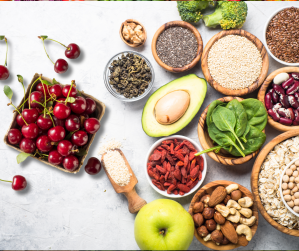
Foods That Support Better Sleep and Autoimmune Healing
These are foods that help with sleep and balancing hormones. As you read through these lists, look for foods that appear more than once, and think about ways that you can combine them into 1 meal.
1. Tart Cherries
Tart cherries are one of the few natural food sources of melatonin, your body’s sleep hormone. They also contain anti-inflammatory polyphenols that can help calm an overactive immune system.
Pro tip: A small serving of unsweetened tart cherry juice (about 1/2 cup) about an hour before bed may help with getting deeper sleep.
2. Magnesium-Rich Foods
Magnesium helps relax muscles, calms the nervous system, and supports healthy blood sugar balance.
Top autoimmune-friendly sources include:
- Pumpkin seeds (pepitas)
- Leafy greens like spinach and Swiss chard which are the highest, then beet greens, kale, and collard greens
- Avocados
- Almonds
Pro tip: Add a handful of pumpkin seeds and avocado to a spinach salad.
3. Fatty Acids from Walnuts, Chia Seeds, and Flaxseeds
Omega-3 fatty acids help cool inflammation and support healthy brain chemistry (which influences sleep quality). Plant-based sources like chia seeds, flaxseeds, hemp seeds, and walnuts are especially gentle and hormone-supportive for those with autoimmune conditions.
Pro tip: Make a quick chocolate cherry chia pudding with almond milk and avocado for an evening snack, just not too late. You can also leave out the protein powder, if you want.

4. Blood Sugar Balancing Foods
Stable blood sugar is essential for staying asleep through the night. Blood sugar crashes can trigger cortisol spikes — waking you up at 2 or 3 a.m, AND it can also fuel inflammation.
Best choices include:
- Broccoli and other cruciferous veggies
- Dark leafy greens
- Zucchini and yellow squash
- Asparagus
- Seeds like pumpkin seeds and sunflower seeds
Pro tip: Pair a small serving of healthy carbs with leafy greens and a healthy fat at dinner — like roasted veggies, steamed spinach, lentils, and avocado.
5. Herbal Allies
Certain calming herbs can help soothe the nervous system and prepare the body for rest. Try:
- Chamomile
- Lemon balm
- Passionflower
- Lavender
- Tulsi or Holy basil
- Valerian (My personal favorite, but it can be stimulating to a small population)
Pro tip: Sip on a warm herbal tea blend about 30–60 minutes before bed. I rotate my bedtime teas each night.
A Sample Evening FOOD Routine for Better Sleep
Here’s how you could weave some of these healing foods into your evening:
- Dinner: Grilled zucchini, roasted cauliflower, lentil salad with arugula, avocado, and pumpkin seeds
- After dinner: Tart cherry mocktail with sparkling water and a splash of unsweetened tart cherry juice
- Before bed: A calming tea made with chamomile and lemon balm
Simple shifts like these can make a huge difference over time.
Healing Happens When You Sleep
If you’re living with autoimmune disease, don’t underestimate the power of sleep. It’s required to allow your body the time and space it needs to recalibrate, repair, and heal at the deepest level.
By choosing foods that stabilize blood sugar, calm inflammation, nourish your microbiome, and support hormone balance, you’re doing all of the food things you can for sleep.
Sleep is one of your most underrated superpowers. And every meal you eat can be part of the solution.
Ready to Nourish Your Mind, Body, and Spirit?
Join the Zen & Zest Zone Membership today and connect with a vibrant community of women passionate about health, food, and science. Inside, you’ll find inspiring workshops, live classes (4+ live classes a month), a library of recordings, recipes, and other eBooks, seasonal wellness challenges, exclusive recipes, and practical guidance to help you thrive — naturally.
Join now to become a member and start your journey toward vibrant living!
 Wholistic Jen
Leave a comment