

By Jennifer Whitmire, MS, MEd, MH, CHES, NEP
Let’s have a real conversation—the kind we have over tea in the kitchen while chopping herbs or sprouting mung beans. Because if you’re living with an autoimmune thyroid condition, you’ve probably had LOADS of tests, tried ALL the diets, spent a TON on supplements, and still find yourself wondering, what am I missing?
Here’s one thing many people overlook: parasites.
Yep, those little buggers that sound like something you’d pick up backpacking in a tropical rainforest (My recent trip) might actually be living rent-free in your body—and triggering inflammation, nutrient depletion, and immune dysfunction. And it’s far more common than most people (and even your doctors) realize.
You probably know someone who has had lice in their lifetime, and guess what? That’s a parasitic infection. They can happen to anyone, BUT they really only happen when the immune system is out of balance.
So let’s unpack how parasites can be related in autoimmune disease, why they’re more common than you think, how they tie into the microbiome, and what herbs and food-based strategies can support you.
Want to hear about parasites instead of read? Listen to my podcast episode here.
We All Have Parasites (Yes, Even in the U.S.)
When you hear the word parasite, you might think of giardia or malaria or some rare travel-related infection. But, believe it or not, parasites are everywhere.
>60 Million Americans are living with low-grade parasitic infections—worms, protozoa, flukes, and more—and many don’t even know it. These tiny bugs often go unnoticed, because the symptoms overlap with so many other things: fatigue, bloating, food sensitivities, skin issues, mood swings, and—you guessed it—autoimmune flares.
Sound familiar?! These are the same symptoms in autoimmune thyroid.
In fact, according to the CDC, parasitic infections are considered neglected parasitic infections in the U.S., meaning they’re underdiagnosed and undertreated.
They thrive in environments where the immune system is overwhelmed, the microbiome is imbalanced, and the terrain is welcoming—hello leaky gut, chronic stress, and nutrient deficiency.
What Do Parasites Have to Do with Autoimmune Disease?
When you’re dealing with autoimmune disease, your immune system is already confused. It’s attacking your own tissues—whether it’s your thyroid (Hashimoto’s or Graves’), joints (RA), skin (psoriasis), or gut lining (Crohn’s or colitis). It doesn’t mean to attack itself, it just is confused about what’s YOU and what’s NOT YOU.
Now add in a chronic parasitic infection…
Here’s how parasites can trigger an autoimmune response or even make them worse:
- Molecular mimicry: (remember why you need to quit gluten?) Some parasites have proteins that resemble our own tissues. The immune system mounts an attack, but in the crossfire, it starts attacking you too.
- Chronic inflammation: Parasites can damage the gut lining, leading to leaky gut. This opens the floodgates for undigested proteins and pathogens to enter the bloodstream—revving up systemic inflammation and immune confusion.
- Immune dysregulation: Parasites are experts at manipulating the immune system to survive. They often suppress parts of the immune response while activating others, throwing your immune balance completely out of whack.
- Microbiome imbalance: Parasites feed off your nutrients, disrupt your beneficial flora, and create an environment that allows yeast, bacteria, and viruses to thrive. It’s the perfect storm for gut dysfunction and immune chaos.
Common Signs To Consider Parasites
If you’ve been doing “All the things” and have checked for everything under the sun but still feel like something’s wrong, tune into your body.
1st– Parasites are more active around the full moon, so if you notice some symptoms are worse around that time, think about it….
For me, I realized that I REALLY ground my teeth around the full moon. I knew I didn’t do it every night, but it wasn’t until I really started paying attention that I learned that I mostly only did it at the first moon. AND, I ground my teeth so hard that they hurt the next day. I proved that my “indestructible” mouth guard isn’t built for unique ME.

Here are some common signs that parasites could be involved:
- Gas, bloating, or irregular stools (especially around the full moon!)
- Chronic fatigue or brain fog
- Skin rashes or itching
- Mood swings, anxiety, or depression
- Waking up between 1–3 a.m. (liver time!)
- Intense sugar cravings
- Nutrient deficiencies or insufficiencies, even with a clean diet
Sound familiar? You’re not alone. I’ve seen it with clients who were eating beautifully, doing our spring and fall detoxes, and still plateauing in their healing. Once we addressed the bugs, everything changed.

Why Parasites Are So Hard to Detect
Here’s the frustrating part: most standard stool tests miss them. Parasites don’t always show up unless they’re actively shedding, and many labs don’t test for the full range of parasites.
That’s why functional lab testing (like comprehensive stool analysis or parasite antigen testing) can be so helpful! I like to use the GI Effects or the Gut Zoomer test with my clients and I teach them to become detectives of their own health—including how to spot signs of infections and advocate for proper testing. Unfortunately, most doctors are NOT familiar with these types of tests, so find a Functional Health practitioner to help you. I LOVE to work with clients, and I can help you order and understand your tests, too. (We can connect here)
But testing isn’t always required to get started.
If your symptoms line up and your history suggests you’re at risk (travel, pets, farm life, or chronic gut issues), you can begin with gentle herbal protocols and supportive food-based modifications.
The Gut-Parasite-Autoimmune Connection
You’ve probably heard me say it a hundred times: all health begins in the gut.
That includes autoimmune health. Your gut lining houses 70–80% of your immune system. It’s where your microbiome trains your immune cells to discern friend from foe. And it’s where parasites love to hang out.
When you have an invader disrupting the gut wall, your immune system goes into overdrive. Over time, this low-grade battle becomes chronic—and your body starts losing the ability to self-regulate.
If you’re already dealing with leaky gut (intestinal permeability), parasites can worsen the damage. They create mini-lesions, burrow into tissues (where they hide!), and secrete toxins that make the gut more permeable. This allows undigested food, endotoxins, and pathogens to enter the bloodstream—creating more inflammation and lighting the fire of autoimmunity.
Herbs & Foods That Help
What can you do?
If you suspect parasites are involved in your health, don’t panic. You don’t need to nuke your body with harsh pharmaceuticals. AND, if you do too much too fast, you may set yourself up for a yeast overgrowth.
There are powerful, time-tested herbs that gently and effectively support the body in clearing parasites while nourishing and rebuilding the gut terrain at the same time.
I have found several safe, gentle, and effective formulas online. And they all include the first 3 that I included in this list plus others for assistance. Some of my favorite anti-parasitic herbs and foods include:
Black Walnut Hull
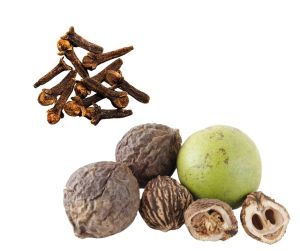
We almost named our farm the black walnut farm. We have black walnut trees everywhere! The green hulls are rich in juglone which is a natural anti-parasitic. It’s been used traditionally for worms and fungal infections.
Wormwood
Wormwood is bitter and potent! That bitter taste reminds us that it is beneficial for the liver, too. Wormwood stimulates digestion and supports the elimination of parasites. It is usually combined with black walnut and clove in classic parasite protocols.
Clove
Cloves kill parasite eggs—an often-overlooked step. They also support liver detoxification and reduce inflammation. You have to do a course of clove, but them repeat it and repeat it again as eggs hatch and more eggs are deposited. And because parasites are so good at hiding.
Garlic
Raw garlic is nature’s antibiotic. It’s powerful against parasites, bacteria, and yeast. Just one clove a day can help regulate the terrain and provide prebiotics for the “bugs” you want to grow.
Papaya Seeds
Don’t toss these! (NON GMO, of course!) Chewing a spoonful of raw papaya seeds (with a bit of raw honey) is a traditional remedy in tropical countries for intestinal worms.
Pumpkin Seeds
Pumpkin seeds are high in zinc and cucurbitacin which can help paralyze worms and support elimination. (We like to add ground pumpkin seeds to our dog’s food every now and then to nourish and protect the pups).
Triphala
This is my favorite Ayurvedic blend. It is gentle but effective for keeping the bowels moving, supporting detox, and restoring the gut lining.
We’ll be diving deep into these herbs and more in next month’s (June 2025) Herbal Workshop inside the Zen & Zest Zone membership, where we’ll create formulas for What’s Bugging You?
Terrain is Everything
You’ve probably heard us say, it’s not just about killing the bugs—it’s about changing the terrain. A healthy, well-fed, nourished, and fiber-filled gut is not a welcoming home for parasites. That means:
- Eliminate sugar, alcohol, and processed food—they feed the bugs. AND gluten free does NOT mean healthy! Breads, pastas, muffins…it doesn’t matter if it’s white flour, wheat, or gluten free, it’s processed and feeds the “bugs.”
- Focus on high-fiber, whole food plant-based meals—fiber binds toxins and supports elimination. It also provides pre-biotics that the “good” microbes need to eat to thrive. Focus on feeding the bugs you want to help crowd out the ones you don’t.
- Add fermented foods – including sauerkraut, kimchi, or homemade dairy free yogurt with your meals helps you rebuild the microbiome. (Unless you have trouble with those).
- Hydrate—Take in half your body weight in ounces daily to help move toxins out. And be sure to use clean water and mineral-rich herbal teas that are not dehydrating.
- Support the liver—your liver is doing the heavy lifting during a parasite cleanse. It helps to eat bitter foods, lots of dark leafy greens, and include some citrus.

What’s Coming Up Next in the Zen & Zest Zone
Next month’s theme? “What’s Bugging You?” (June 2025)
Here’s what you’ll get access to:
✨ A LIVE full fermentation class on zoom—we’ll teach you how to make your own gut-friendly ferments at home with easy, low-glycemic, grain-free ingredients.
✨ Our LIVE Herbal Workshop: What’s Bugging You on zoom—we’ll cover how to make your own non-toxic bug spray, soothing remedies for summer bites, and do an empowering deep dive into parasites and the herbal allies that support your body in dealing with them.
✨ Plus, access to a whole library of recordings, recipes, community support, and 2 more live classes to keep you inspired, informed, and in charge of your health.
Ready to Take Your Power Back?
If you’ve been feeling stuck, foggy, inflamed, or just off—and nothing seems to work—don’t ignore your gut instincts. There could be something bugging you.
And the good news? You don’t have to go it alone.
Join The Zen & Zest Zone membership group, our vibrant online membership for women who are ready to thrive—not just survive—with functional nutrition, herbal medicine, joyful movement, and community. We help you feel empowered, not overwhelmed, with step-by-step guidance, simple recipes, and expert support every month.
Click here to join The Zen & Zest Zone today and get instant access to upcoming classes, including “What’s Bugging You?” and our Fermentation Masterclass! As well as recordings,
Because the real healing happens when you know what’s going on inside—and take action with food, herbs, and love.
 Wholistic Jen
Leave a comment