

By Jennifer Whitmire, MS, MEd, MH, CHES, NEP

If you’re around my age, you were taught at an early age to eat less and exercise more to stay fit. It sounds logical. Calories in, calories out. Move more, don’t eat too much, and the body will listen. This led to me living off of salad and iced tea for an entire summer in high school.
If you live with chronic illness, autoimmune disease, cancer or are recovering from cancer, hormonal imbalance (still having those hot flashes?), or long COVID, you already know this advice doesn’t just fail, it makes things worse.
Many of the people I work with have tried everything. They’ve tracked calories (Chronometer can be so useful if it doesn’t add more stress). They’ve cut portions. They’ve pushed themselves through workouts when they were already exhausted. They’ve done “all the right things,” but their weight won’t budge, or it drops briefly and then rebounds worse than before.
Stop thinking that you are doing something wrong! Or, worse, “You just have to push through and try harder.” When your body rebounds like this, it’s a call for help. It’s tired of being tired and fighting, and it needs your support.
The human body is not a math equation. I remember a video from Dr Michael Gregor on this. If calories in, calories out worked, we’d all be withering away. The body is a responsive, adaptive system designed for survival. When that system is already under stress, “The eat less, exercise more” model sends the wrong signals at exactly the wrong time.
To understand why, we need to talk about what weight loss really is, how the body interprets restriction, and why chronic illness changes the rules.
Weight Loss Is Not About Calories. Wait? What?!
The body responds to signals. Those signals include nutrient availability, blood sugar stability, stress hormones, sleep quality, inflammation, immune activity, gut health, and perceived safety. When these systems are working together, weight regulation happens naturally. When they are disrupted, weight becomes protective. “I need to hold on to this ‘just in case.’”
In chronic illness and autoimmune disease, the body is already managing inflammation, immune activation, and usually impaired energy production (Usually there is a lack of nutrients or absorption of nutrients). Add calorie restriction and excessive exercise on top of that, and the body receives a very clear message: resources are scarce and danger is present.
When that message is received, the body adapts by conserving energy. Metabolism downshifts, thyroid conversion is reduced, cortisol rises, muscle breakdown increases, fat loss becomes that much harder.
This is why many people with chronic illness experience weight gain or stubborn weight retention even when under-eating and exercising regularly.

Why Eat Less Backfires in Autoimmune Disease
In autoimmune conditions, the immune system is already on high alert. It’s overactive. It requires enormous energy and nutrients to sustain that level of activity and alertness.
When we cut calories and food intake is restricted, especially over long periods, the body shifts into conservation mode, blood sugar becomes less predictable, cortisol increases to compensate, and thyroid hormone conversion from T4 to active T3 decreases. This makes you tired, so you rest more and conserve more energy. Leptin signaling, which lets you know when to stop eating and regulates hunger and metabolism, becomes disrupted.
Many people experiencing “weight-loss resistance” are actually dealing with autoimmune fatigue, where the body has shifted into survival mode rather than fat-burning mode.
The result is a body that is trying to survive. It doesn’t care if you can fit in your jeans.
It’s not just calories!
Under-eating also reduces critical nutrients needed for immune regulation. Magnesium, zinc, selenium, B vitamins, vitamin C, iron, iodine, and amino acids are all essential for hormone balance, the immune system, energy, and metabolic health.
Chronic undereating depletes these reserves. This slows the body down even more. Not only does metabolism slow down but so does the energy level. In fact, the nutrients that the mitochondria need to make energy are missing! No wonder you’re tired.
Excessive exercise and under-fueling increase oxidative stress, which further impairs mitochondrial function and metabolic health.
Many people assume they need to eat less, because they aren’t losing weight. In reality, their body is holding on because it does not feel safe.
Adequate micronutrient intake plays a critical role in mitochondrial function, metabolic efficiency, and hormonal signaling.

Why Exercising More Isn’t the Answer Either
More is not always better.
In healthy people with robust recovery capacity, exercise can improve insulin sensitivity, support muscle mass, and keep metabolic health strong. In chronically stressed or inflamed people, excess exercise becomes another stressor layered on top of an already overloaded system.
Intense or prolonged exercise raises cortisol. In moderation, this is adaptive. Chronically elevated cortisol tells the body that it isn’t safe. This suppresses thyroid function, impairs insulin sensitivity, disrupts sleep, and increases inflammation.
This is why so many people with autoimmune disease feel wired but exhausted. They push themselves to work out, because they believe they “should,” only to crash harder afterward.
Exercise without adequate recovery does not burn fat. It stresses the body, puts in on alert, and teaches the body to save anything it can grab.
Weight Gain Can Be a Protective Response
This is one of the hardest things to accept. I get it! After my doctor retired, and I couldn’t find a doctor in my state who would keep me on compounded thyroid (I’m allergic to Synthroid, and I had radioactive iodine and have to take meds for life. You can read my story here.)
I gained 20 pounds in weeks! The stress on my body was so bad that I was not only bigger, I developed more autoimmune diseases in the process. A new doctor and 2 years later, and my body is still slowly resetting to a safe point and going through an extremely slow release of the excess weight.
In chronic illness, weight gain or resistance to weight loss is a protective mechanism. Fat tissue is not inert. It stores energy, buffers toxins, and produces hormones and immune mediators. When the body perceives a threat, it prioritizes storage to protect itself in the future.
This protection does not mean weight gain is healthy or desirable long-term. The body is responding intelligently to its environment. It’s what it was designed to do if you got lost in the forest or during times of famine.
Until inflammation is reduced, blood sugar is stabilized, nutrient needs are met, and stress signaling is lowered, the body will resist weight loss regardless of calorie intake.
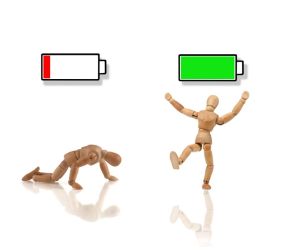
Hormones Determine Weight. Stop Blaming Willpower Or Laziness
Weight regulation is hormonal.
Insulin determines how nutrients are stored and used. Cortisol influences blood sugar, fat storage, and muscle breakdown. Thyroid hormones regulate metabolic rate. Sex hormones affect fat distribution and energy use. Leptin and ghrelin regulate hunger and satiety.
Chronic illness like autoimmune disease disrupts all of these systems.
If insulin signaling is impaired, weight loss becomes difficult even without eating sugar. If cortisol is elevated, fat loss is blocked. If thyroid conversion is suppressed, metabolism slows regardless of calories. If leptin signaling is disrupted, hunger cues become unreliable.
This is why weight loss strategies that ignore hormones fail in autoimmune disease.
What Actually Supports Safe, Sustainable Weight Loss
Stop trying to force the body into compliance, and start restoring the conditions so the body is willing to release weight.
That begins with nutrients and safety, NOT cutting calories and burning more calories through exercise.
Adequate, Balanced Meals
Eating enough is foundational. Meals that combine fiber, protein, appropriate carbs, and healthy fats stabilize blood sugar and reduce insulin demand. Carbs can help the body’s safety cues. This creates a hormonal environment that supports fat utilization instead of storage.
Skipping meals or under-eating increases cortisol and worsens insulin resistance, even in people who eat “clean.”
Nutrient Density Over Calorie Reduction
The goal is not fewer calories, but more nutrients per bite.
Vegetables, legumes, leafy greens, herbs, seeds, nuts, and properly prepared whole plant foods provide the minerals and phytonutrients required for hormone balance and immune regulation. When the body receives adequate nutrients, hunger normalizes and metabolic efficiency improves.
Weight loss in chronic illness improves when the body receives enough minerals, protein, and phytonutrients, not when calories are simply reduced.
Blood Sugar Stability
Blood sugar swings signal stress. Stabilizing glucose through balanced meals, regular eating times, and adequate nutrition reduces inflammatory signaling and supports insulin sensitivity.
Weight loss is a downstream effect of metabolic stability.
Supportive Movement
Movement should improve energy, not drain it.
Walking, strength training at appropriate intensity, mobility work (functional fitness), and restorative practices improve insulin sensitivity and muscle function without overstimulating the stress response. Recovery matters more than intensity.
Sleep and Stress Regulation
Sleep deprivation and chronic stress independently impair insulin sensitivity and thyroid function. Dietary discipline cannot override these effects.
Supporting sleep, breathwork, and breaks throughout the day is essential for weight regulation in chronic illness.

Why This Matters for Longevity and Healing
Weight loss achieved by cutting calories and over-exercising comes at the cost of muscle mass, bone density, hormone balance, and immune resilience. In chronic illness, this trade-off is especially harmful.
True metabolic health supports longevity by preserving muscle, stabilizing blood sugar, reducing inflammation, and maintaining hormonal balance. Weight that is lost under these conditions is more likely to stay off, because it is not achieved through stress.
When the body feels supported and safe, it becomes more metabolically flexible. Fat loss becomes possible without pushing, forcing, or fighting physiology.
Practical Action Steps to Start Now
If you’ve been stuck in the eat less, exercise more cycle, here’s where to begin:
- Eat regular, balanced meals that contain fiber, protein, appropriate carbs, and essential fat.
- Stop skipping meals in the name of weight loss.
- Increase nutrient density before cutting calories.
- Choose movement that leaves you feeling better.
- Prioritize sleep and stress regulation as part of your weight strategy.
- Focus on metabolic health first. Weight will follow.
These steps may feel counterintuitive if you’ve been conditioned to believe cutting calories is the answer. But, for autoimmune and chronically ill people, they are usually the missing piece.

A Different Way Forward
You are not broken because eating less, exercising more didn’t work for you. That advice was never designed for bodies managing chronic inflammation, immune issues, or long-term stress.
Your body is responding logically to the signals it receives. When those signals change, the response changes, too.
If you are ready to approach weight, metabolism, and healing in a way that respects physiology instead of fighting it, I would love to support you inside The Culinary Healing Circle.
Inside the Circle, we focus on healing meals made from functional foods, blood sugar balance, immune support, and metabolic health. This is where food becomes a tool for healing, not another source of stress.
You can learn more and join us at www.culinaryhealingcircle.com
Your body is asking for better support.
 Wholistic Jen
Leave a comment