

By Jennifer Whitmire, MS, MEd, MH, CHES, NEP
Why do I have to give up gluten?
I remember thinking this.
When I was first told I should remove gluten, I didn’t understand why. I didn’t have stomach issues. I wasn’t doubled over in pain after eating bread. I wasn’t running to the bathroom. In fact, I thought I handled it just fine.
What I did have was a Graves’ disease diagnosis and elevated auto-antibodies.
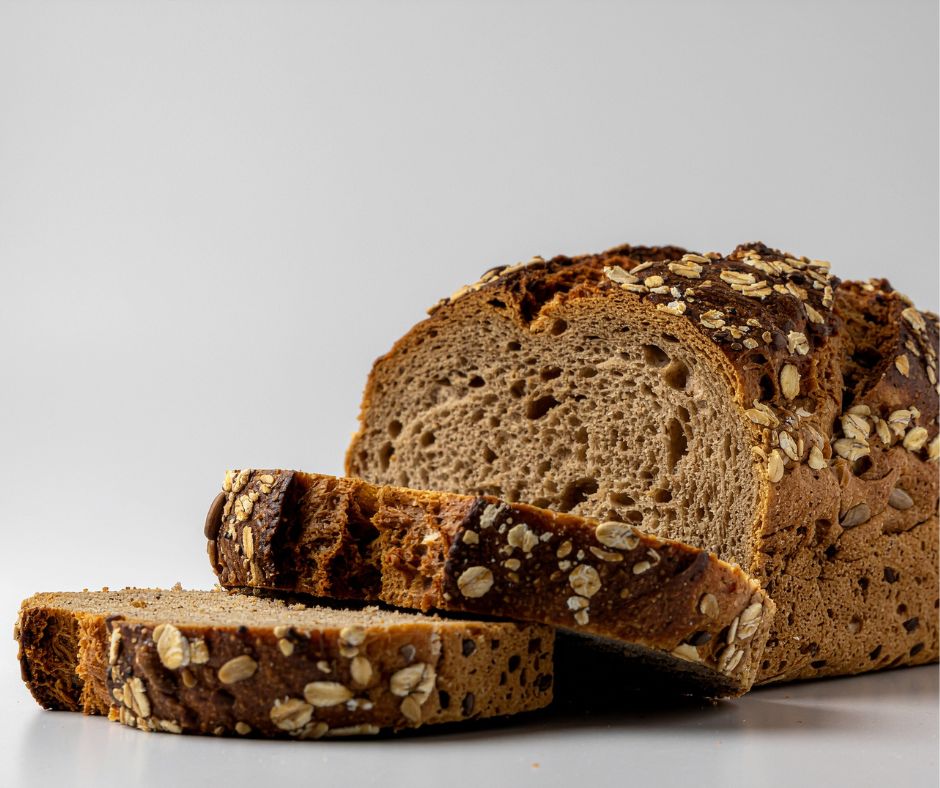
At the time, no one explained the connection between gluten and autoimmune disease in a way that made sense. It felt extreme and even a little woo woo. I made all of my own breads with real, clean ingredients. I was already “doing the right things.”
Once I started studying the body and the immune system and really understanding gut integrity, I was able to see how they were connected.
The Missing Piece Most Doctors Don’t (or Can’t) Explain
Autoimmune disease doesn’t begin in the thyroid, the joints, or the skin. It begins with an immune response, and most of the immune system lives in the gut.
Dr. Alessio Fasano’s research on intestinal permeability reframed the entire autoimmune conversation. He identified zonulin, a protein that regulates the tight junctions between cells in the intestinal lining. When zonulin increases, those tight junctions loosen and the barrier between the contents of your digestive tract and your bloodstream becomes more permeable.
Dr. Fasano has proposed that three elements are necessary for autoimmune disease to develop:
- Genetic predisposition
- An environmental trigger
- Increased intestinal permeability
Without permeability, the immune system is less likely to encounter, and react to, certain proteins (or triggers.
Gluten stimulates zonulin release in susceptible individuals. That means it can increase permeability, even in people who do not have celiac disease.
When I understood that, I knew I had to dig deeper. Gluten was no longer about symptoms, stomach pain, or bathroom concerns. When we choose to eat gluten, we are continuing to give the immune system more to react to.

“But I Don’t Have Celiac”
Neither did I.
Celiac disease is one end of the spectrum, but immune reactivity to gluten exists without that diagnosis. Dr. Tom O’Bryan has spent years discussing the broader immune responses to gluten that fall outside the narrow definition of celiac disease. You do not need villous atrophy on biopsy to have immune activation.
If insulin signaling is impaired, inflammation tends to stay elevated longer than it should. I wrote more about how metabolic dysfunction and immune regulation intersect in Insulin Resistance and Autoimmune Disease.
You can have “normal labs” and still have immune signaling occurring beneath the surface.
In my case, I didn’t experience obvious digestive distress. What I experienced was fatigue, anxiety, heart palpitations, and eventually a full autoimmune diagnosis. Looking back, I can see how inflamed my system was before I understood what inflammation really meant.
Autoimmune disease is not always obvious. It starts small and builds overtime. You may wake up one morning unable to move, or walk, or get out of the bed one morning, but that is due to inflammation that was occurring a long time before today.
Leaky Gut Is Not a Buzzword
I talk about leaky gut all the time, because it is foundational. When the intestinal barrier is intact, food proteins are broken down and absorbed in a regulated way. The immune system does not overreact to every meal.
When that barrier is compromised, partially digested proteins can enter circulation. The immune system responds as it is designed to do. It identifies foreign material and mounts a defense.
The problem is not the defense but the repetition of proteins entering where they don’t belong.
Every exposure to a triggering protein in the context of increased permeability reinforces immune memory. Over time, that memory can become misdirected. The immune system begins reacting not only to food proteins but to the body’s own tissues.
That is autoimmunity.
For many people, gluten is one of the proteins that keeps that cycle going. A diverse intake of colorful plant foods strengthens the gut lining and improves immune tolerance. I break down why this matters in my article on phytochemicals and immune resilience.
It Has To Do With Tolerance.
When someone says, “I don’t know why I have to give up gluten,” what I hear now is fatigue. Change is hard. Our food is cultural and emotional.
I also know what it feels like to lose a thyroid and then realize that immune triggers were present and could have been regulated to save my thyroid.
Removing gluten lowers the immune load.
Those of us with autoimmune bodies are already managing inflammation, oxidative stress, hormone disruption, and fluctuating energy production.
Most gluten-containing foods are not whole foods. They are refined flour products, processed grains, calorie-dense and nutrient-poor foods with far less fiber, fewer phytonutrients, and lower mineral density than the intact plants they replace.
When gluten is removed and replaced with whole foods like lentils, greens, root vegetables, nuts, seeds, intact gluten-free grains, the change is not just in one protein. It is in the overall inflammatory environment of the body.
The entire meal becomes anti-inflammatory. Many gluten-containing foods are ultra-refined and high glycemic which compounds inflammation and immune stress. I explain this more deeply in my article on glycemic load and autoimmune disease.

What Happened When I Removed It
When I removed gluten consistently, I did not transform overnight. That’s not how physiology works. But my energy became more predictable. My anxiety eased. My sleep improved. My flares and heavy legs became less frequent.
It wasn’t an obvious change, but I gradually got better and better. My system felt less reactive.
When you live with autoimmune disease, less reactive is everything.
Is Gluten the Only Trigger?
No. Dairy, corn, soy, eggs, some nuts, peanuts, and other proteins can be an issue for some people. The goal is not to villainize one food. The goal is to identify what repeatedly stimulates immune activation.
Gluten has the strongest evidence in the context of intestinal permeability and autoimmune disease.
For someone newly diagnosed, it is the most strategic place to start, because the gut barrier is foundational. If the barrier is compromised, healing becomes harder.
If the barrier is supported, the immune system has a better chance of recalibrating.
How to Know if Gluten Is Affecting You (Even If You “Feel Fine”)
One of the hardest parts about gluten and autoimmune disease is that the feedback is not always immediate. We have been trained to associate food reactions with digestive distress, but immune reactions do not follow that same timeline.
An immune response can unfold over hours or even days. It can show up as fatigue the next morning. Joint stiffness two days later. Brain fog that feels like it came out of nowhere. A subtle increase in anxiety. A thyroid lab that drifts just slightly out of range.
That kind of fatigue is not “just tired.” It’s an immune cascade. I wrote about this in When Your Body Shuts Down: Understanding Autoimmune Fatigue.
If you want real data, you have to observe patterns and track.
One of the most useful tools I recommend is a simple 60+-day elimination plan with structured observation like journaling. It doesn’t have to be forever. During that time, remove gluten completely, no “just a bite,” no weekend exceptions, and track:
- Energy levels
- Digestive issues
- Sleep quality
- Mood
- Joint pain
- Skin changes
- Headaches
- Thyroid symptoms or labs, if relevant
Then, if you choose, reintroduce it once in isolation and observe for 72 hours. Not to test willpower, but to see what really happens. And when I say, “test,” I mean eat some gluten – toast for breakfast, a wrap or sandwich for lunch, and pasta or a roll for dinner. How does your body really respond?
AND, some people have up to a 3 day delay, so you need to test it for 3 days in a row.
NOW…Full Disclosure:
I would NEVER test it.
Once I removed it for 60+ days and noticed how good I felt,
I knew I did not want to risk undoing that healing.
Many people are surprised by what they notice when they slow down enough to observe.
Another option is laboratory testing. While celiac panels are important when indicated, they do not capture the full spectrum of immune reactivity. Advanced panels can sometimes provide additional information, but they are not perfect. I have only found 1 test that even looks at ALL of the gluten proteins.
Your body’s patterns are data. Learn to listen to them.

Molecular Mimicry and Why Gluten Can Affect the Thyroid
There is another layer to this conversation that it is especially important for anyone with thyroid autoimmunity called molecular mimicry.
Molecular mimicry happens when a protein in food resembles a protein in your own body enough that the immune system has difficulty distinguishing between the two. The immune system does not operate with perfect precision but by pattern recognition. If two proteins share structural similarities, antibodies created against one can sometimes cross-react with the other.
In the case of gluten, certain fragments of gliadin share similarities with human tissue proteins. In those of us with autoimmune thyroid disease, immune reactivity to gluten may cross-react with thyroid tissue.
This does not mean gluten directly “causes” Hashimoto’s or Graves’. It means that in someone who is susceptible and has a permeable gut barrier and active immune signaling, gluten exposure can increase immune activity.
When the gut barrier is compromised, immune cells are exposed to gliadin fragments more frequently. If antibodies are formed, and if those antibodies recognize similar structures in thyroid tissue, the immune system can sustain inflammation outside the gut.
For someone with Graves’, that may mean over-stimulation. For someone with Hashimoto’s, it may mean ongoing destruction.
This is one reason some people see a drop in thyroid antibodies after removing gluten, even when they do not have celiac disease. The immune system is no longer being aggravated by a protein that resembles its target.
Dr. Alessio Fasano’s work on intestinal permeability provides one piece of the puzzle. The concept of molecular mimicry provides another. That’s how something you eat can end up affecting something in your thyroid.
When I look back at my own history with Graves’, I cannot say that gluten was the sole cause. Autoimmune disease is never that simple. I can say that once my immune system was dysregulated, continuing to expose it to proteins that increased permeability and cross-reacted with tissue was not supportive of healing.
Understanding molecular mimicry changes the conversation from “gluten is bad” to “gluten may increase immune cross-reactivity in some people.”
That is a very different level of understanding.
What to Eat Instead (So This Doesn’t Feel Like Deprivation)
One mistake I see often is removing gluten and replacing it with gluten-free processed food. Gluten-free bread, crackers, cookies, pasta, … these products may remove the gluten protein, but they do not lower inflammation or improve nutrient density.
If you remove gluten and feel worse, it is probably because the replacement foods are still refined, low in fiber, and unstable for blood sugar. Instead, move toward foods that support the gut barrier directly.
Instead of looking for substitutes that mimic gluten, move toward foods that naturally do the job better.
- If you want something crunchy, try seed crackers made from flax, chia, pumpkin, and sunflower seeds. They’re rich in fiber and minerals and actually support the gut lining.
- If you want bread, experiment with lentil flatbread, chickpea socca, or almond-based breads that contain real protein and fiber instead of starch. Red lentil “bread” made from soaked lentils blended with herbs is surprisingly satisfying and much more blood sugar stable.
- If pasta is your comfort food, try zucchini noodles, spaghetti squash, or thinly sliced cabbage sautéed with olive oil and garlic. Lentil or chickpea pasta can work well too, especially when paired with greens and healthy fat to slow absorption.
- If you love wraps or sandwiches, use collard leaves, nori sheets, large romaine leaves, or even thinly sliced sweet potato rounds baked until pliable. They hold fillings beautifully and don’t spike glucose.
- If you crave something warm and starchy, roasted root vegetables, mashed sweet potatoes, or a bowl of quinoa with herbs can often satisfy the same need in a way that stabilizes energy instead of crashing it.
The goal is to upgrade your meals. When you replace gluten with real, whole foods that contain fiber, minerals, and phytonutrients, your gut barrier strengthens, inflammation lowers, and cravings fade away naturally.
Other foods that are important to focus on include:
- Legumes such as lentils, chickpeas, black beans, and lupini. These provide fermentable fiber that feeds beneficial microbes and helps produce short-chain fatty acids like butyrate, which support intestinal integrity.
- Leafy greens and cruciferous vegetables. These supply polyphenols and sulfur compounds that support detox pathways and immune modulation.
- Root vegetables and winter squashes. These provide steady carb sources that stabilize blood sugar without the inflammatory load of refined flour.
- Nuts and seeds. These are full of minerals, healthy fats, and amino acids that support cellular repair.
- Intact gluten-free grains and pseudo-grains like quinoa, buckwheat, millet, or certified gluten-free oats, if tolerated. The key word is intact or whole.
This is about upgrading the terrain. Improving your health from the inside out.
When the gut lining is nourished and microbial diversity improves, immune tolerance improves with it.

A Framework For Moving Forward
If you are overwhelmed by the idea of removing gluten, ask yourself:
- Is my autoimmune condition active right now?
- Are my labs stable and optimal?
- Is my energy predictable?
- Is my digestion consistent?
If the answer to those questions is no, then removing gluten becomes a strategy for recovery.
You do not have to decide what you will eat forever. You only need to decide what will support healing right now.
If you remove gluten (for several months not days) and nothing changes, that is information, too. Healing is learning to listen to your body and the feedback it provides.
A More Honest Question
Instead of asking, “Why do I have to give up gluten?” the more useful question might be, “Is continuing to eat gluten helping helping me feel better and helping my immune system calm down?”
That question changes everything.
Food provides information, and every food you eat, every single meal, sends signals. In autoimmune disease, the goal is to reduce unnecessary signals, so the immune system can stand down.
If you’re working through autoimmune disease and trying to figure out what actually supports healing without extremes and without confusion, I would love to support you inside The Culinary Healing Circle.
Inside the Circle, we don’t just eliminate more foods. We learn how to rebuild the terrain. We focus on gut integrity, blood sugar stability, mineral sufficiency, and real whole foods that send safety and satiety signals to calm the immune system.
You’ll learn how to cook in a way that protects your gut barrier, supports thyroid health, and reduces inflammatory load in a way that feels sustainable longterm.
If you’re ready to work with your body and feel better, join us.
Join The Culinary Healing Circle: www.culinaryhealingcircle.com
 Wholistic Jen
Leave a comment