
By Jennifer Whitmire, MS, MEd, MH, CHES, NEP
Looking back, one of the biggest changes I made after my autoimmune diagnosis was learning how to enjoy the foods I wanted to eat and knew I needed for my body.
Before my diagnosis, I spent a lot of time thinking about what I should avoid. Like many people, I focused on calories, fat grams, protein, and whether a food fit into the nutrition advice I had been taught. After my diagnosis, I began looking at food differently. I started paying closer attention to ingredients, food quality, how food was prepared, and how foods actually made me feel.
I have always loved food. Before my diagnosis, I enjoyed cooking, experimenting in the kitchen, and making creative meals for my family. I attended culinary school years before I developed Graves’ disease, and food was already one of my passions.
What changed after my diagnosis wasn’t my love of food but the way I thought about ingredients.
I began looking for ways to create the same satisfaction, flavor, texture, and fun using foods that better supported my health. Instead of planning meals around bread, dairy, and convenience foods, I started planning them around vegetables, beans, herbs, greens, mushrooms, nuts, seeds, and other whole foods.
Big salads became a regular part of my day. Vegetables became more creative. Beans moved from side dishes to the center of the plate. Instead of asking what I had to give up, I started asking how I could make the foods I needed taste incredible while still supporting my health goals.
A good dressing played an important role in that transition.
Why Most Bottled Dressings Don’t Work
Years ago, when I started reading ingredient labels more carefully, salad dressings were one of the first products that I threw out.
Most bottled dressings were made from refined oils, added sugars, gums, preservatives, artificial flavors, and ingredients I would never use in my own kitchen. Even products marketed as healthy contained ingredients designed to improve shelf life, texture, or profitability rather than nutrition, even that famous non-profit one.
The irony is that people spend a great deal of money on fresh vegetables only to cover them with a highly processed dressing.
That doesn’t mean every bottled dressing is unhealthy. There are certainly better options available today than there were twenty years ago. However, many still contain ingredients that contribute very little nutritionally while adding a significant amount of sugar, refined oils, and calories.
One of the reasons I eventually started making more of my own dressings was that I wanted them to do more than add flavor. If I was going to use a dressing regularly, I wanted it to add something meaningful to the meal.
Why Bean-Based Dressings Work So Well
Beans are one of my favorite ingredients for dressings, because they create a creamy texture while adding fiber, plant protein, resistant starch, and important vitamins and minerals. Unlike many traditional dressings that rely on oil, a bean-based dressing adds nutrition.
Chickpeas contain fiber that supports digestion and satiety with important vitamins and minerals like folate, magnesium, potassium, and resistant starch that can help feed beneficial gut bacteria. When paired with vegetables, they help create a meal that is more satisfying and supportive of stable energy than vegetables alone.
I encourage people to think beyond simply eating a salad and instead focus on building a meal. Fiber, protein, healthy fats, and non-starchy vegetables work together to support satiety, stable energy, and blood sugar balance.
Instead of simply coating the salad, the dressing becomes part of the nutrition.
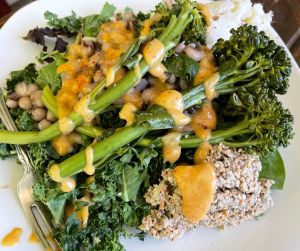
Creamy Smoky Chickpea Dressing
Ingredients
- 1 1/2 cups (1 can) cooked chickpeas, drained and rinsed
- ⅓ cup soaked cashews
- 1 lime, juiced
- 1 tablespoon apple cider vinegar
- ½ teaspoon cumin
- ½ teaspoon smoked paprika
- ¼ teaspoon garlic powder (optional)
- Salt to taste
- Water as needed for blending
Instructions
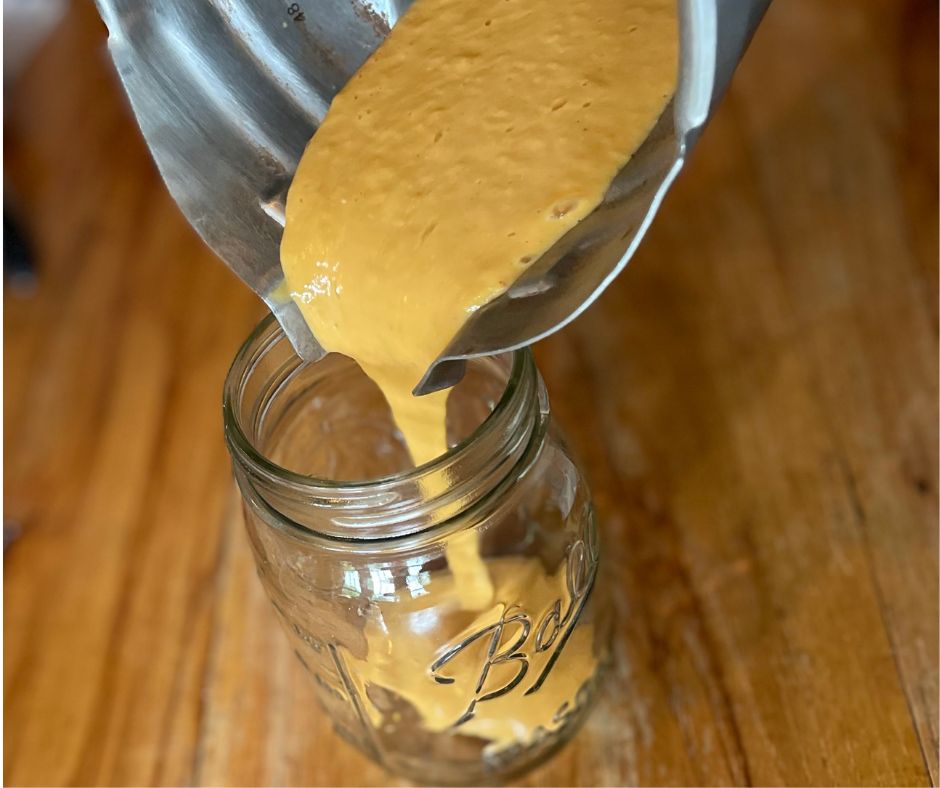
Add all ingredients to a blender.
Blend until completely smooth and creamy, adding water as needed to reach your desired consistency.
Store in the refrigerator for up to 5 days.
Makes approximately 2 cups.
Why These Ingredients Are Important
Chickpeas are one of my favorite ingredients, because they provide a combination of fiber, plant protein, minerals, and resistant starch. Unlike highly refined ingredients, chickpeas add nutrition while also helping create a creamy texture.
Research continues to show that legumes support cardiovascular health, blood sugar, microbiome diversity, and healthy aging. They are one of the foods most consistently associated with longevity around the world.
Cashews create the richness that many people expect from a creamy dressing while adding minerals such as magnesium, copper, and zinc.
They also help make the dressing feel satisfying, which can encourage people to eat larger portions of vegetables without feeling deprived.
Lime and Apple Cider Vinegar are acidic ingredients that can completely transform vegetables.
A squeeze of lime or a splash of vinegar brightens flavors and makes vegetables more enjoyable. If eating more vegetables is one of your goals, learning how to use acidic ingredients well can make a tremendous difference.
Cumin and Smoked Paprika are spices that contain beneficial plant compounds and antioxidants, but perhaps their greatest benefit is making healthy food taste delicious enough to eat consistently.
The Real Secret Isn’t the Dressing
The truth is that no dressing has magical health benefits.
The real value of a recipe like this is that it encourages people to eat more vegetables.
If a creamy dressing helps you enjoy kale, cabbage, broccoli, cucumbers, peppers, herbs, leafy greens, or a giant rainbow salad, then it is supporting your health in a meaningful way.
I think we sometimes underestimate the power of small habits.
People spend a great deal of time searching for the perfect supplement, the perfect diet, or the perfect health protocol. Meanwhile, simple habits such as eating more vegetables get overlooked, because they seem too ordinary.
These ordinary habits are the ones that make the biggest difference over time.
How I Use This Dressing
This dressing rarely lasts long in my refrigerator.
I use it on:
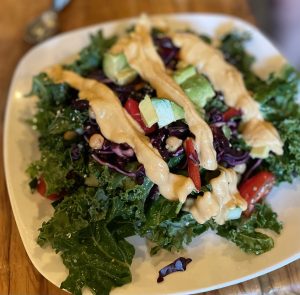
- Kale salads
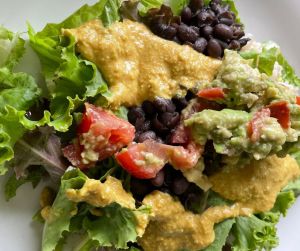
- Taco salads
- Rainbow salads
- Buddha bowls
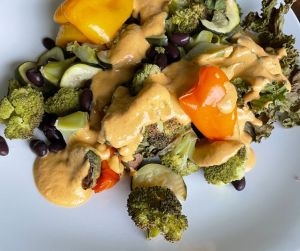
- Roasted vegetables
- Lettuce wraps
- Raw vegetable platters
- Stuffed sweet potatoes and stuffed zucchini
- Lunch bowls built from leftovers
One of my favorite strategies is to prepare a large batch at the beginning of the week. Having a flavorful dressing ready to go makes it much easier to create quick meals around vegetables, beans, and leftovers.
Final Thoughts
I have always loved food. I just needed to learn how to create meals that were just as satisfying, flavorful, and enjoyable while using ingredients that better supported my health.
A simple homemade dressing may not seem life-changing, but if it helps you eat more greens, more colorful vegetables, more herbs, more beans, and more fiber-rich foods, it can become part of a much larger transformation.
Sometimes the healthiest recipe isn’t the one with the longest list of superfoods.
Sometimes it’s the one that helps you consistently eat the foods your body needs most.


Leave a Reply