
By Jennifer Whitmire, MHSc, MH, MEd, CHES, NEP
In Wednesday’s Food As Medicine article, How Many Calories Do You Really Need After 50?, we looked at how our energy needs change as we age and why consistently eating too little can make it more difficult to maintain muscle and strength.
One question that comes up is how to put together meals that provide enough nutrients without too many starches or adding too much fat.
This is something I think about when planning and prepping my own meals. I want lots of color, enough protein to support my body’s systems, hormones, and muscles, and enough calories to keep me feeling full and satiated. At the same time, I pay close attention to the glycemic load of my meals and prefer to get my fats from whole foods and not added oils.
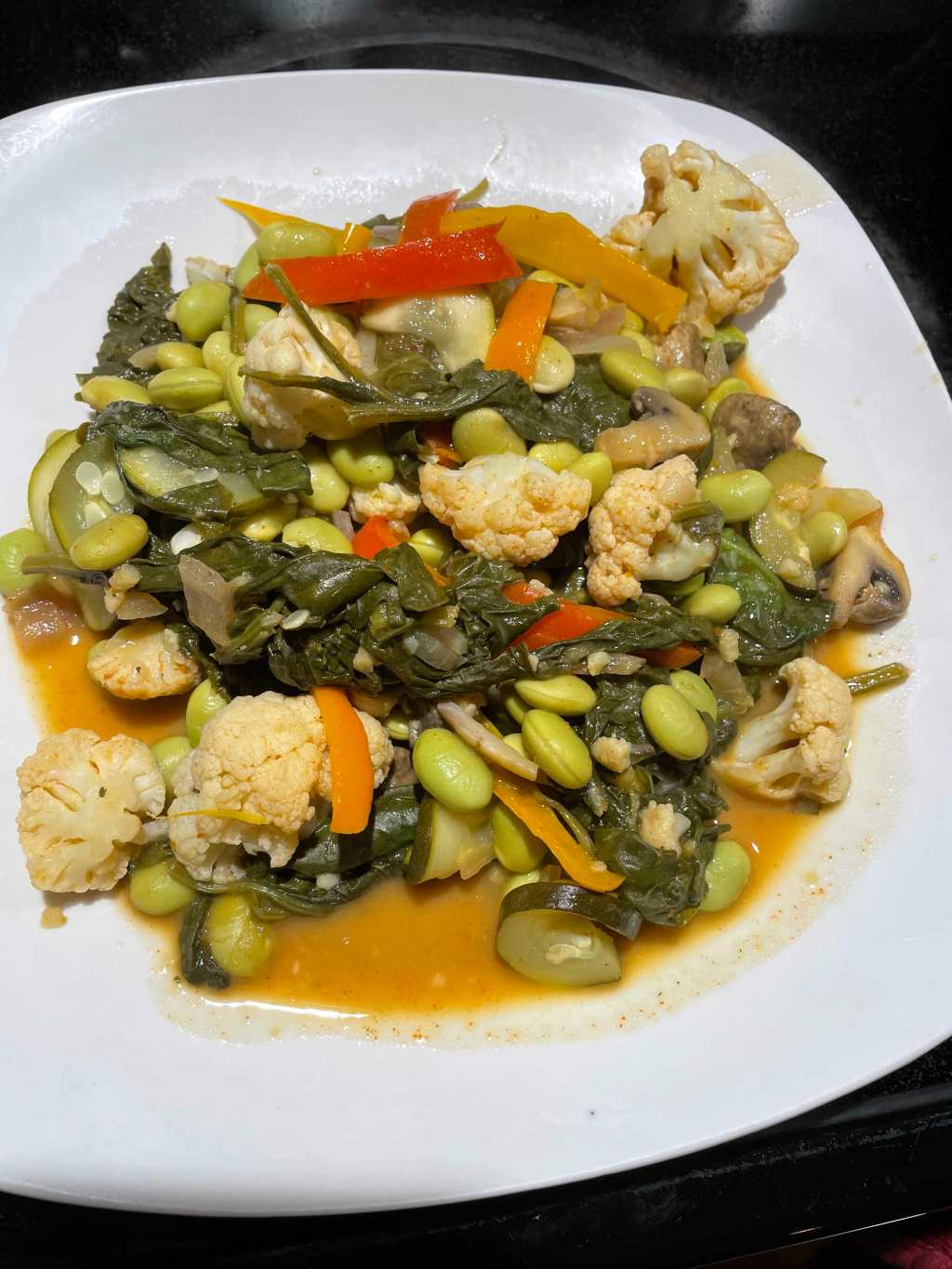
This creamy white bean, mushroom, and greens skillet is one way to combine those principles together.
White beans contain protein, fiber, and minerals, and mushrooms, zucchini, cauliflower, and leafy greens add additional nutrients and lots of volume. Instead of using cream, coconut milk, or cashews to make the sauce (which you can do, and it would taste delicious!), we’re blending a portion of the beans with vegetable broth, garlic, and seasonings.
This is a one skillet meal that tastes so good the whole family will love it, and it can easily be adjusted according to your personal needs.
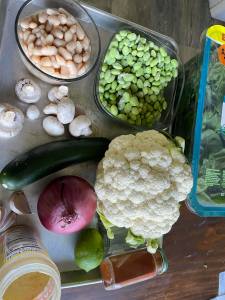
Why These Ingredients Work
White beans contain complex carbohydrates, protein, soluble and insoluble fiber, folate, iron, magnesium, and potassium. Their fiber and cellular structure help slow carbohydrate digestion and support a more gradual blood sugar response. We want to include these nutrients, but portion size is still important when considering the glycemic load of the meal.
Pay attention to how your body responds to beans, both in terms of digestion and blood glucose. If you tolerate ½ cup of beans per serving, use 2 cups for a recipe that serves four. If ¼ cup works better for you, use 1 cup for four servings. Adjust the amount according to your individual needs and what you’re serving with the skillet.
Mushrooms add a savory, umami flavor and meaty texture without much fat or carbohydrate. They provide some protein, including essential amino acids with B vitamins and minerals like selenium, potassium, and copper. These nutrients are important for energy metabolism, nerve function, antioxidant defenses, and muscle function.
Mushrooms also contain beta-glucans, a type of fiber found in their cell walls that can interact with immune cells and help regulate immune responses. They also provide ergothioneine, an antioxidant compound that helps protect cells against oxidative stress. Our bodies have a specialized transport system for ergothioneine, allowing it to accumulate in tissues where it can add to cellular antioxidant defenses.
Leafy greens add more folate, vitamin K, magnesium, potassium, and carotenoids. Folate supports normal cell division, vitamin K is essential for blood clotting and bone metabolism, and magnesium is needed for many functions including muscle and nerve function. Quickly cooking greens reduces their volume, making it easier to include a larger serving.
Zucchini and cauliflower are non starchy carbs that add fiber, water, vitamin C, and a variety of plant nutrients while keeping the available carbohydrate content relatively low. Cauliflower is a cruciferous vegetable that contains glucosinolates that can be converted into biologically active substances involved in the body’s cellular defense processes.
Garlic and onion contain sulfur compounds and other phytonutrients that help support the body’s antioxidant defenses and normal inflammatory responses. They also contain prebiotic fibers that help feed the beneficial gut bacteria. Thyme adds additional antioxidant compounds, and lemon juice adds vitamin C needed for our energy cycle and helps improve the absorption of iron from the white beans and leafy greens.
These ingredients provide protein, fiber, vitamins, minerals, and phytonutrients while keeping added fat to a minimum. By adjusting the portion of beans and including plenty of nonstarchy vegetables, we can make this meal work for different energy needs and individual blood sugar responses.
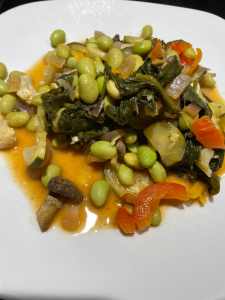
Creamy White Bean, Edamame, Mushroom & Greens Skillet
Yield: 2 generous servings
Prep time: 15 minutes | Cook time: 20–25 minutes | Total time: 35–40 minutes
Ingredients
- ½ cup cooked white beans, drained and rinsed (approximately ⅓ of a 15-ounce can)
- 2½ cups frozen shelled edamame
- 1 package (8 oz) cremini mushrooms, sliced
- 1 medium zucchini, chopped
- ¼ head of cauliflower, cut into bite-sized pieces
- 1 package (5 oz) fresh baby spinach
- ½ small purple onion, chopped
- 3 cloves garlic, minced
- 1 lemon, juiced
- ¾ cup low-sodium vegetable broth or water, plus more as needed
- 1 teaspoon dried thyme
- ½ teaspoon smoked paprika
- ¼ teaspoon freshly ground black pepper
- 4 tablespoons nutritional yeast, optional
- Fresh parsley, optional
Instructions
- Make the creamy sauce. Blend the white beans, ½ cup vegetable broth, lemon juice, and nutritional yeast, if using, until smooth. Set aside.
- Start the vegetables. Heat a large skillet over medium heat. Add the onion and a splash of vegetable broth. Cook for 3–4 minutes, stirring occasionally, until softened.
- Add the mushrooms. Stir in the mushrooms and cook for about 5 minutes, until they soften and release their moisture.
- Add the remaining vegetables. Stir in the zucchini, cauliflower, garlic, thyme, smoked paprika, and black pepper. Add a splash of broth, cover, and cook for approximately 5 minutes.
- Add the edamame. Stir in the frozen shelled edamame. Cover and cook for another 5–7 minutes, stirring occasionally, until the edamame is thoroughly heated and the cauliflower is tender. Add more broth if needed.
- Make it creamy. Pour the white bean sauce over the vegetables and edamame. Stir gently and simmer for 2–3 minutes.
- Add the greens. Fold in the spinach and cook until wilted.
- Finish and serve. Taste and adjust the seasonings or lemon juice as desired. Divide between two bowls and garnish with fresh parsley.
Kitchen Notes
Using frozen edamame: Purchase shelled edamame rather than edamame in pods. There’s no need to thaw it before adding it to the skillet. Follow the package instructions to ensure it’s fully cooked.
Use what you have: The vegetable amounts are flexible. Frozen spinach also works; use approximately half of a 10-ounce package, thawed and drained.
Make it ahead: Chop the vegetables and prepare the sauce in advance. Refrigerate separately until ready to cook.
Adjust the consistency: Add more vegetable broth if you prefer a creamy stew rather than a thicker skillet.
Estimated Nutrition
Per generous serving (recipe serves 2):
- Calories: Approximately 400
- Protein: Approximately 30–33 g
- Total carbohydrates: Approximately 45–48 g
- Fiber: Approximately 15–17 g
- Net carbohydrates: Approximately 29–33 g
- Fat: Approximately 11–13 g
These are preliminary estimates based on typical ingredient values. Actual nutrition will vary by edamame brand, vegetable sizes, and optional ingredients. Net carbohydrates are total carbohydrates minus fiber.
What About Calories and Protein?
One of the lessons from Wednesday’s article is that a meal can contain plenty of vitamins, minerals, and fiber without necessarily providing enough calories or protein to meet our needs.
This skillet provides a good foundation, but whether it makes a complete meal depends on the portion size and what else you’ve eaten throughout the day.
For someone with higher energy or protein requirements, we can increase the portion of beans, add another protein-rich plant food, or serve the skillet with an appropriate side or dessert.
For someone managing blood sugar, I don’t want you to eliminate carbohydrate-containing foods like beans. It’s important to consider the type and amount of carbohydrate, the fiber content, the overall meal composition, and your individual glucose response.
Bringing It Back to Food As Medicine
When we talk about eating enough, we’re not just talking about increasing calories. We have to meet our energy and nutrient requirements with foods that support our health and body systems.
A meal like this gives us an opportunity to include legumes, mushrooms, leafy greens, and other vegetables without any added oils or refined starches. It also reminds us that portion sizes and nutritional needs are personal.
The next time you’re preparing a meal, consider whether it contains enough energy and protein for your needs with the vitamins, minerals, and fiber that help your body function properly.
Read the ingredients. Eat the rainbow. Understand your food.


Leave a Reply