


By Jennifer Whitmire MS, MEd, MH, CHES, NEP
It’s my mission to teach people to recover and get healthier with delicious, healing meals. I learned through my own autoimmune thyroid issues and newer autoimmune symptoms that it can be challenging. However, with the right foods and recipes, you can get better, reduce inflammation, and enjoy the food.
Eating a whole food plant-based diet is not just a trend—it’s a lifestyle with countless health benefits. By avoiding gluten, dairy, and meat, you can reduce inflammation. This allows your body’s own healing processes to do their work. This way of eating is rich in vitamins, minerals, antioxidants, healthy fats, and fiber, which are must-haves for fighting inflammation and promoting health and healing.
Why Focus on Anti-Inflammatory Foods?
Inflammation is our body’s natural response to injury or infection. We want to allow inflammation to occur when we cut our hand or bang our knee or are exposed to pathogenic bacteria or viruses, but when it becomes chronic, it can really cause serious damage. For those of us who received a diagnosis of something autoimmune, managing inflammation is a must. Anti-inflammatory foods can help reduce symptoms and improve our energy and health in general.
Chronic inflammation is linked to conditions such as heart disease, diabetes, arthritis, and almost 100 autoimmune disorders. For those of us with an autoimmune diagnosis, managing inflammation is necessary for reducing symptoms and preventing further complications. This is where an anti-inflammatory diet comes into play.

How an Anti-Inflammatory Diet Helps
Anti-inflammatory foods are packed with nutrients that help reduce inflammation. Adding these foods to your meals can lower inflammation and ease pain and other symptoms.
Eating a diet rich in anti-inflammatory foods also helps keep your immune system in check. This is important if you have an autoimmune condition, because your immune system is on fire and attacking your own body.
These foods are high in fiber, which supports your gut and microbiome. A healthy gut means less inflammation and better nutrient absorption.
Chronic inflammation can drain your energy, leaving you feeling worn out. Anti-inflammatory foods can boost your energy.
Inflammation often targets our joints and muscles, causing pain and stiffness. For me, it’s usually heavy legs or sore eyes. Anti-inflammatory foods can help soothe these aches, making it easier to move and stay active.
What’s in an Anti-Inflammatory Diet
1. Fruits and Vegetables: Rainbow Foods
Antioxidants, vitamins, and minerals These are in colorful fruits and vegetables that are the base of an anti-inflammatory diet. Berries, leafy greens, and cruciferous vegetables like broccoli and cauliflower are very helpful for reducing inflammation and also help the liver.
2. Healthy Fats
Omega-3 fatty acids found in flaxseeds, chia seeds, hemp seeds, algae like chlorella and spirulina, and walnuts are potent anti-inflammatories. Do not eat trans fats or heated oils and reduce saturated fats to a minimum to help cool inflammation.
3. Whole Grains:
Sprouted whole grains like quinoa, oat groats, brown rice, and buckwheat can be anti-inflammatory IF you tolerate them. These are rich in fiber, minerals, and nutrients that support the microbiome and intestinal lining.
4. Herbs and Spices:
Turmeric, ginger, garlic, lavender, chamomile, cinnamon, and many herbal adaptogens are all known for their anti-inflammatory properties. Find ways to add these to your teas and dishes.
5. Nuts and Seeds:
Almonds, walnuts, pecans, pumpkin seeds, flaxseeds, …. These provide essential fatty acids, vitamin E, and antioxidants that help reduce inflammation.
6. Legumes:
Beans, lentils, and chickpeas are excellent sources of plant-based protein, B vitamins, and fiber. These are wonderful for supporting digestive health and reducing inflammation.
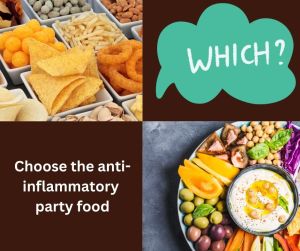
Avoid Pro-Inflammatory Foods
While adding anti-inflammatory foods diet is essential, it’s just as important to remove foods that hurt. Processed foods are usually packed with processed flours, unhealthy fats, sugars, and additives that promote inflammation. Think about those convenient snacks and fast foods—they may be easy, but they are not good for your body.
Sugars and refined carbohydrates not only in candy, pastries, and white bread, but also in pasta, crackers, and wraps. These cause spikes in blood sugar. These spikes lead to increased inflammation and make it harder for your body to heal and stay balanced.
But what about those fancy spinach wraps or tomato pasta? In culinary arts school we made spinach and tomato wraps and pasta by adding a tablespoon of powder to the dough. It would turn reddish link or green depending on the powder, and we would make a lot of pasta or wraps from the dough. How much spinach actually made it into each? AND it was added to the highly processed dough mixture.
Red and processed meats like bacon, sausages, and deli meats, contain compounds that can trigger inflammatory responses. For those of us with autoimmune conditions, these meats can be particularly bad.
You would never give your child a cigarette or expose them to asbestos. Did you know that processed meats are also labeled as a carcinogen? Actually labeled! Don’t feed yourself or your children hot dogs, deli meats, and sausages. An analysis of data from 10 studies estimated that every 50 gram portion of processed meat eaten daily increases the risk of colorectal cancer by about 18%. That’s about 1.8 ounces! That’s all! 1 hot dog or 2 slices of ham a day increases colon cancer and stomach cancer risk 18%. I know several people who eat these on a regular basis.
Dairy and gluten are also common inflammatory triggers. Many of us with autoimmune conditions find that these foods aggravate symptoms. Avoid these foods, so you can reduce inflammation and support your body’s natural healing processes. It’s all about making choices that help your body thrive.
Most people with an autoimmune diagnosis actually have more than 1 attack going on in the body. Dairy, especially pasteurized dairy, and dairy that has been condensed into cheese, is horrible when it comes to an inflamed body. And gluten is just tearing away at our intestines, disrupting the microbiome, and making leaky gut even worse.
Support Your Liver
An anti-inflammatory diet supports liver function. This is vital for those of us with autoimmune conditions. Your liver works tirelessly to filter out toxins and maintain your health. To keep it functioning optimally, focus on liver-friendly foods and reducing fat and extra calories.
Non-alcoholic fatty liver disease is now the fastest growing disease in the U.S., and it’s expected to grow by 33% in the next 6 years! This is caused by eating the wrong foods and eating too much sugar, fat, and excess calories. When we over eat, the liver stored it as fat. As the liver expands to store this fat, it becomes less and less efficient at keeping your body clean and toxin free.

Liver-Friendly Foods
Leafy greens like spinach, kale, and romaine are excellent choices. These greens are packed with nutrients that support the liver and help detoxify the body. Cruciferous vegetables, like broccoli, cauliflower, and Brussels sprouts (and the kale above), are great for supporting the liver. They contain several compounds that enhance the liver’s detoxification processes.
Citrus fruits, like lemons, limes, and oranges, provide a boost of vitamin C, citric acid, and antioxidants. These are essential for the liver and can help protect it from damage.
Onions and garlic are powerful allies in supporting liver health. They are rich in sulfur-containing compounds that activate liver enzymes responsible for flushing out toxins. Both contain allicin and quercetin, powerful anti-microbial and antioxidants. These help cleanse the liver, protect it from damage, and reduce inflammation.
Eat the Rainbow. Eating a variety of colorful vegetables ensures you’re getting a wide range of phytonutrients. Each color adds different phytonutrients needed in detoxification and overall health.
- Red: Tomatoes, red peppers, and beets are high in antioxidants like lycopene and anthocyanins. Think about the heart when you think about red.
- Orange: Carrots, sweet potatoes, and butternut squash are rich in beta-carotene. Think about the heart and your immune system when you think about beta carotene.
- Yellow: Yellow peppers, yellow tomatoes, and squash also contain beta carotene and vitamins and minerals that aid in detoxification.
- Green: Think beyond lettuce. Besides leafy greens (They are super important, so still eat them), green vegetables like green beans, celery, okra, and cucumbers contain chlorophyll and loads of minerals needed your whole body.
- Blue/Purple: Blueberries, purple cabbage, and eggplant are packed with anthocyanins, which have anti-inflammatory and antioxidant properties. Think about the brain when you eat these foods.
- White/Brown: Onions, garlic, and mushrooms contain sulfur compounds and antioxidants that aid in liver detoxification. The also contain pre-biotics that help strengthen your microbiome.
Bitter greens go beyond the greens above. Arugula, dandelion greens, and endive stimulate bile production needed for digestion and absorption of your nutrients and detoxification.
Adding these foods can enhance your liver’s ability to detoxify, reduce inflammation, and improve your microbial balance. It’s all about giving your liver the love and support it needs to keep you healthy and vibrant.
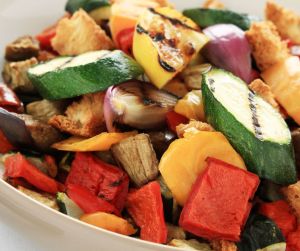
Recipes to Cool Down and Heal Up This Summer
Here are a few recipes that are perfect for fighting inflammation and supporting your health. Try 1 or all 3 this week:
Anti-inflammatory Autoimmune Recipes
Embrace Healing with Every Bite
Make these delicious, anti-inflammatory recipes a part of your routine to help you manage inflammation and support you on your journey. Remember, eating healthy doesn’t mean sacrificing flavor. I believe in creating meals that are as delicious as they are nutritious.
Whether you’re dealing with thyroid issues, leaky gut, fatty liver, or simply want to boost your energy and mental health, these recipes are a great place to start. Stay tuned for more tips, recipes, and insights on how to live your healthiest life!
Join Me!
For more information and to book a session, visit Chat With Me.
I’m here to guide you on this journey with personalized coaching, group classes, and practical advice tailored to your needs. Let’s cook, nourish, and thrive together, one delicious meal at a time!
For more tips, recipes, and support, visit http://wholisticjen.com and start your journey to better health today.

 Wholistic Jen
Leave a comment