

By Jennifer Whitmire, MS, MEd, MH, CHES, NEP
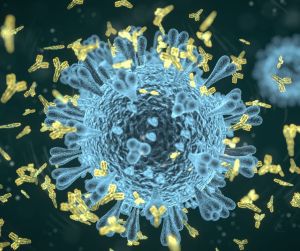
If you’re experiencing the world of autoimmune disease, you’ve probably heard the term autoantibodies. Simply put, autoantibodies are immune system proteins that mistakenly target and attack your body’s own tissues. They’re a hallmark of autoimmune conditions like Hashimoto’s, rheumatoid arthritis, MS, lupus, and many others.
While many factors can influence the production and activity of autoantibodies — including genetics, infections, stress, and environmental toxins — what you eat plays a powerful role. Certain foods can either calm your immune system down or fan the flames of autoimmunity, depending on how your body reacts to them.
How do you know which foods aggravate autoantibodies? And why? How can you support your immune system through nutrition?
How Do I Know If A Food Is Right Or Wrong For Me?
When it comes to autoimmune flare-ups, food can play a sneaky role. One way to tell if something you’re eating is firing up your immune system and aggravating autoantibodies is to pay attention to how you feel after meals. If you notice symptoms like extra fatigue, brain fog, joint pain, digestive issues, skin breakouts, or even mood swings popping up after eating certain foods, that could be a clue. One difficult thing is that it could take 2 days to notice.
Another way is through elimination diets — basically taking common trigger foods out for a few weeks, 6 months is ideal, (like gluten, dairy, soy, eggs, or processed foods) and slowly adding them back in to see how your body reacts. Some people also use lab testing to get a clearer picture of what foods might be causing trouble, but those tests are not reliable and tuning into your body’s signals is a powerful first step.
Many people start to feel so good after only 3 days of eliminating certain foods that it is difficult to get them to even try to add them back! My goal is for you to be able to eat as many healthy foods as possible.

Understanding Autoantibodies and Their Triggers
Before we get into the list of foods, let’s touch on the basics. Autoantibodies form when the immune system mistakes healthy tissues for foreign invaders. This can lead to chronic inflammation, tissue destruction, and the progression of autoimmune diseases.
Some foods
- Increase gut permeability (aka “leaky gut”)
- Promote systemic inflammation
- Mimic human tissues (a phenomenon called molecular mimicry)
- Disrupt immune tolerance
- Imbalance the gut microbiome
All of these pathways can escalate autoantibody production or activity.
In short, eating certain foods can make your immune system even more confused and trigger it to ramp up the attack.
Top Foods That May Aggravate Autoantibodies
1. Gluten
- Found in:
- Wheat, barley, rye, spelt
- processed foods from foods that contain flour and oats to dressings, sauces, and even dips
- cross contaminated grains like oats (ONLY buy certified gluten free oats! Oats are naturally gluten free, BUT they are harvested, contained, and transported on the same equipment as gluten containing grains and ALWAYS test positive for gluten).
Gluten is the #1 offender when it comes to autoimmunity, especially in conditions like Hashimoto’s, celiac disease, and even type 1 diabetes. Gluten proteins can cross-react with tissues in the thyroid and brain through molecular mimicry.
Gluten can damage the intestinal lining, leading to increased gut permeability, which is a key trigger for autoantibody production.
Quick Tip: Even if you don’t have celiac disease, many practitioners recommend a 100% gluten-free diet if you have any autoimmune diagnosis.
Isn’t it worth a try if it means you’ll feel better? Here’s me making Buckwheat Flatbread if you’re looking to try some simple gluten free options.
2. Dairy Products
- Found in: Milk, cheese, butter, yogurt, cream, yogurt, ice cream, icings, puddings, coffee drinks, hot chocolate, and even most smoothies.
It’s not just about the lactose! Dairy proteins, especially casein, can be highly inflammatory for some people. Like gluten, casein can also be involved in molecular mimicry. Some people with autoimmunity react to dairy in ways that fuel inflammatory pathways and further confuse the immune system.
Dairy can promote mucus production and may worsen gut dysbiosis, leaky gut, another factor tied to elevated autoantibodies.
Quick Tip: Look for hidden sources of dairy in processed foods, protein powders, and even some supplements and medications.
3. Refined Sugar
- Found in: Sweets, soda, baked goods, and many packaged foods from spaghetti sauce to ketchup to crackers and breads.
Sugar drives inflammation and can impair the function of all cells especially immune cells. Elevated blood sugar can trigger the release of inflammatory cytokines which can activate autoantibody production.
Excess sugar also feeds harmful gut bacteria and yeasts which leads to gut imbalance and improper immune function.
Quick Tip: Train your tastebuds to not crave sweet! If you do want something sweet, choose natural sweeteners like real monk fruit or stevia leaves or extract if you need a little sweetness without the inflammatory hit. Or use sweet whole foods that are naturally sweet and come with fiber like red bell peppers, carrots, and most root vegetables and low glycemic fruits like berries and Granny Smith apples.
4. Refined Oils
- Found in: Corn oil, soybean oil, canola oil, sunflower oil, and processed foods like margarines, crackers, sauces, and dressings.
Highly refined oils are loaded with omega-6 fatty acids which is an essential fat, BUT we all get plenty from our food! Too much omega 6 fatty acids can tilt your body into a pro-inflammatory state when consumed in excess. This inflammation can lead to autoimmunity and can provoke the production of autoantibodies.
Quick Tip: Only use oil as a dressing! Never cook with oils. It is super easy to saute with water and roast using parchment paper (and aquafaba if you want spices to stick). Swap out industrial oils for healthier fats like extra virgin olive oil, avocado oil, coconut oil, and small amounts of flax or hemp oil. Cold-Pressed. In dark glass bottles.

5. Legumes (For Some)
- Found in: Beans, lentils, chickpeas, hummus, soy-tofu, tempeh, miso.
Legumes are generally healthy foods, but they can be problematic for some people with autoimmune conditions. I happen to do very well with legumes, BUT I tested it with a 6 month elimination diet to be sure.
Soy is another unique case — its proteins can sometimes trigger immune responses in sensitive people . This is another one I tested and recommend you test! Soy is so healthy for so many reasons (if organic!), but some people with Hashimoto’s do not tolerate soy.
Quick Tip: Soaking, sprouting, and cooking legumes properly can reduce their lectin content and make them easier to digest. Rinse well, soak overnight, rinse again, then cook slowly until tender for the best health results.
6. Nightshade Vegetables
- Found in: Tomatoes, potatoes, eggplant, peppers, and paprika.
Nightshades contain alkaloids that can irritate the gut lining and promote inflammation in some autoimmune sufferers. While not everyone with autoimmunity is sensitive to nightshades, those with joint pain, rheumatoid arthritis, or psoriasis might notice a flare after eating them.
Once again, do an elimination diet for 6 months, then test these foods back. For me, I found that I do well with all except potatoes. We are all unique, so see if you need to avoid any, some, or all nightshades. I recommend that you eat these if you tolerate them after excluding for 6 months. They are VERY nutritious.
Quick Tip: Try an elimination diet without all nightshades and then reintroduce one at a time to see if they trigger symptoms. Eliminate for 6 months, then 1 week, only test tomatoes. Eat tomatoes every day, sometimes twice a day to see if any symptoms pop up. If no symptoms after a week, test potatoes, …. If symptoms do occur, eliminate for at least another week, then test again.
7. Grains and Pseudograins (For Some)
- Found in: Rice, oats, quinoa, millet, buckwheat, corn, and amaranth.
Even gluten-free grains can sometimes cause trouble. Some people find that the starches and proteins in these grains irritate their gut or spark immune activity.
Sprouted grains are better tolerated because sprouting can decrease problematic compounds and improve digestibility. It activates grain and removes enzyme inhibitors to make it easier to digest and absorb nutrients,
Quick Tip: If you’re sensitive, focus on grain-free alternatives like cauliflower rice, zucchini noodles, or sprouted seeds.
Foods That Support Healthy Immune Function
After hearing about all the foods that can cause issues, you might be wondering,
“Well, what can I eat?”
A nutrient-dense, anti-inflammatory diet can help balance your immune system and even lower autoantibodies over time.
Focus on:
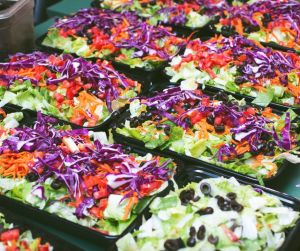
- The Rainbow: Colorful fruits and vegetables loaded with antioxidants, vitamins, minerals, and phytonutrients protect tissues from inflammatory damage.
- Omega-3 fats: Chia seeds, flaxseeds, hemp seeds, walnuts, and algae contain fats that are inflammation fighters. Eat these to balance out the omega 6s in your diet, (Omega 6 fatty acids are in almonds and almond milk and most nuts and seeds, mayonnaise, margarines, and most dressings.)
- Fermented foods: Enjoy homemade and/or unpasteurized sauerkraut, dairy free yogurt, kefir, and kimchi (if tolerated) to support microbiome balance. Watch for added fillers like gums, sugars, and flours in dairy free yogurt, and avoid kombucha which can have too much yeast.
- Sprouted nuts and seeds: Soaking and sprouting nuts and seeds makes them easy to digest and absorb their nutrients and minerals. Soaked nuts and seeds doesn’t sound good? Place the in the dehydrator after soaking and they’ll crisp right up without creating inflammation like they would if roasted in an oven.
- Fresh herbs and spices: Use turmeric, ginger, rosemary, and other fragrant herbs and spices which have natural immune-modulating properties.
A whole food plant-based diet, especially one rich in live enzymes from sprouted and raw foods, is often ideal for calming the immune system and nurturing a healthy gut.
Listen to Your Body
We Are All Unique! Everyone’s autoimmune journey is also unique. While gluten and dairy are common triggers across the board, other foods might be highly individual.
That’s why personalized elimination diets, functional testing (like gut tests or comprehensive blood panels), and working with a skilled health practitioner can make a world of difference. They can help you identify the foods that specifically aggravate your autoantibodies and create a targeted healing plan.
At the end of the day, the goal is not to make food the enemy — it’s to discover which foods help you feel your best and which quietly sabotage your progress.
Remember: Food isn’t just fuel; it’s information for your immune system. Choose wisely, eat intuitively, and stay curious about how your body responds.

How Can We Help?
Our focus in The Zen & Zest Zone membership is on whole food, plant-based meals designed to support your body naturally. We dive deep into the science of how food fuels healing and share recipes that make it easy and delicious to get these key nutrients.
We make it SO EASY to eat in a way that really FUELS YOUR BODY!
Ready to take charge of your health with nourishing, delicious meals? Join us in The Zen & Zest Zone, where we break down the science, make food fun, and empower you to thrive.
(Each month, we also teach you about herbs and herbal remedies that help, have monthly functional workouts, and monthly mindset workshops, as well. You can find all of the recordings from past workshops in the Membership Portal!)

 Wholistic Jen
Leave a reply to All the Things: What Do I Really Have To Do? – Wholistic Jen Cancel reply