

By Jennifer Whitmire, MS, MEd, MH, CHES, NEP
Most people with Hashimoto’s or Graves’ hear the same tired advice: “Just avoid gluten and dairy,and you’ll be fine.” But, if that were true, so many of us wouldn’t still be struggling with fatigue, puffiness, brain fog, inflammation, and elevated antibodies after cutting out bread and cheese.
There are other foods, some labeled “healthy,” that can cause inflammation and keep your immune system fired up. Until you recognize them (and replace them with real, nutrient-dense options), your thyroid won’t get the chance to calm down.
I didn’t know it, but many of the foods I thought were healthy were increasing inflammation and keeping my immune system on high alert. And if you have Hashimoto’s or Graves’, chances are the same thing is happening to you.
There are some foods that just don’t serve you, but you can replace them with nutrient-rich, healing options.
The Foods Hurting Your Thyroid
Some of these foods may be your favorites. You may even think they’re good for you. But if you have autoimmune thyroid disease, they could be blocking your recovery by keeping your immune system activated.
1. Gluten
Gluten is a non-negotiable trigger in thyroid autoimmunity (and really, all autoimmunity). Why?
* Molecular mimicry: Fragments of gluten proteins closely resemble thyroid tissue. When your immune system attacks gluten, it can mistakenly attack your thyroid gland, too.
* Leaky gut activation: Gluten increases zonulin, a protein that opens the tight junctions in your gut lining. This allows undigested proteins and immune-activating molecules into the bloodstream.
* Increased antibodies: Even tiny amounts of gluten (a “cheat day,” “just when I go out,” or cross-contamination) can keep thyroid antibodies elevated for weeks to months!
There’s no such thing as “just a little gluten” if you’re working to calm autoimmunity.

2. Dairy
Dairy is often the next big culprit. Many people cling to it for calcium and protein, but the downsides for thyroid health far outweigh the benefits.
* Cross-reactivity with gluten: Casein, a milk protein, is structurally similar to gluten. If you’ve already developed antibodies to gluten, dairy proteins can provoke the same reaction.
*Inflammatory signaling: Dairy can increase production of pro-inflammatory cytokines and mucus which can worsen sinus, skin, and gut symptoms.
*Microbiome imbalance: Pasteurized dairy, especially with added hormones, alters the gut microbiome and encourages growth of inflammatory bacteria.
Dairy can mimic gluten’s inflammatory effects and keep the immune system “on alert.”
3. Grains, Pseudo-Grains and Refined Grains (even some “healthy” ones)
This one surprises people, especially those leaning on “gluten-free” grains for comfort.
* Blood sugar imbalance: Refined rice, corn, and oats (especially conventional, non-sprouted, quick cooking, and instant) have a high glycemic load. This triggers blood sugar swings, creates cortisol surges, and disrupts thyroid hormone conversion.
* Inflammatory flours: Gluten-free breads, crackers, and cereals often use rice flour, potato starch, corn starch, tapioca starch, and/or arrowroot which raise glucose even higher than wheat flour.
“Gluten-free” doesn’t automatically mean “healthy.”
4. Red Meat
Here’s where feathers get ruffled, but for autoimmune thyroid disease, red meat can be a problem.
*Endotoxins (lipopolysaccharides): These bacterial toxins form during the digestion of animal proteins and fats. They disrupt the microbiome and stimulate a strong inflammatory response.
*Saturated fats: They can increase circulating endotoxins and promote insulin resistance and even thyroid receptor resistance.
*Immune burden: In already inflamed people, red meat can raise C-reactive protein (CRP). This is a key marker of systemic inflammation. Ask your doctor to check your HS-CRP the next time your get your lab work.
A body already on fire doesn’t need read meat.

5. Fish & Chicken
“Lean protein” isn’t always the safe option you’ve been told.
*Chemical residues: Conventional chicken is frequently exposed to antibiotics, hormones, and feed contaminants that alter gut flora and strain detox pathways. If you must have chicken, only buy organic, pasture-raised that has not been grain fed.
*Heavy metals: Farmed fish often carry mercury, dioxins, and PCBs. These toxins accumulate in tissues and must be processed by the liver which is already overworked in autoimmunity. They increase fatty liver and raise the risk of diabetes.
*Immune disruption: Toxin exposure can impair estrogen detoxification, thyroid hormone conversion (T4 → T3), and mitochondrial energy production.
“Clean protein” needs to mean clean source, not just “low fat.”

6. Ultra-Processed “Health Foods”
This one stings, because the labels look so promising. But “healthy” ultra-packaged foods often damage your health more subtly.
* Gums and thickeners (like carrageenan, guar gum, xanthan gum): These can irritate the gut lining, increase permeability, and cause bloating and diarrhea.
* Hidden sugars and starches: Even “unsweetened” products may include tapioca starch, maltodextrin, or natural flavors that spike blood sugar and disrupt the microbiome.
* Immune aggravators: Food additives act as “xenobiotics” which are foreign chemicals that the immune system flags as threats. This increases inflammation.
If it comes in a box and the ingredient list reads like a science project, it’s not healing your autoimmune disease.
Just because it’s labeled “gluten-free,” “vegan,” or “heart healthy” doesn’t mean it belongs on your thyroid-healing plate.
What to Eat Instead (and Why)
Removing inflammatory foods doesn’t mean you’re left with a boring plate. In fact, when you swap in a meaningful way, you gain more nutrients than you lose. Here’s how:
* Instead of Gluten & Some Grains → choose sprouted quinoa, buckwheat, millet, or amaranth in small amounts. Sprouting lowers inflammatory compounds and boosts mineral availability. And keeping portion sizes smaller allows you to benefit from the vitamins, minerals, and phytonutrients and helps with blood sugar.
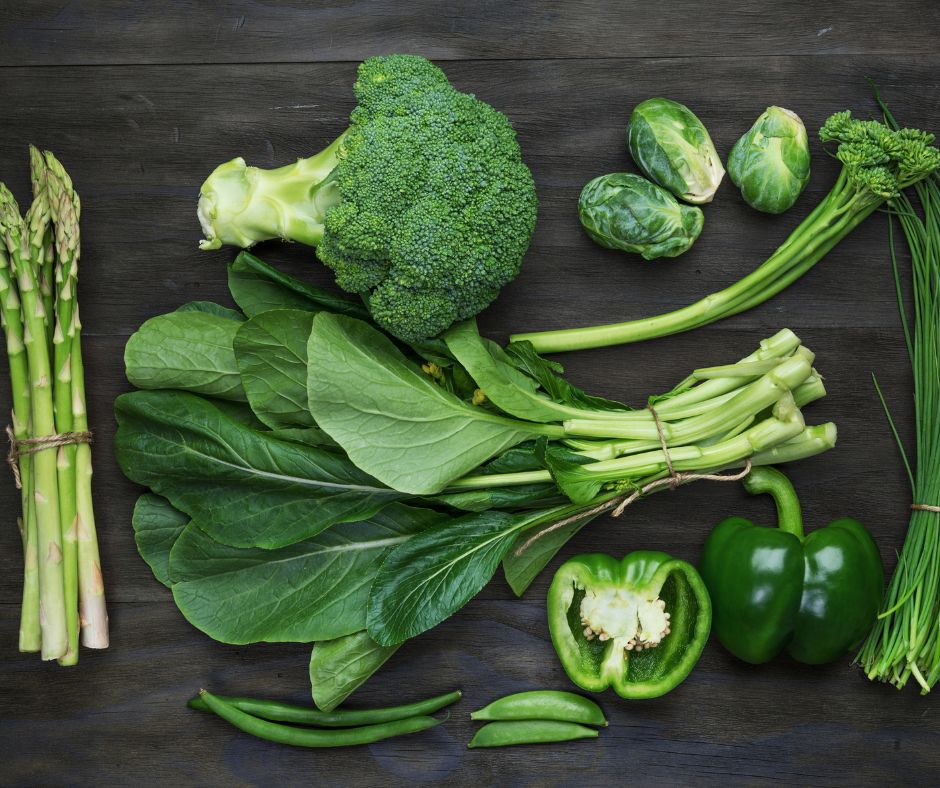
* Instead of Dairy → use homemade nut and seed milks (almond, hemp, sesame, even a combo). It’s easy to make your own yogurt and even cheese sauces. Tahini, chia, and leafy greens are all rich in calcium. And seeds, beans, and leafy greens and cruciferous veggies are high in protein.
* Instead of Red Meat & Chicken → embrace legumes (lentils, black beans, chickpeas, lima beans, black-eyed peas, …), contain protein plus fiber and minerals.
* Instead of Fish → lean on omega-3–rich chia, flax, hemp, and walnuts for brain, hormone, and anti-inflammatory needs.
* Instead of Ultra-Processed Foods → eat whole foods: fresh fruit, roasted veggies, fresh dips like hummus, fermented veggies, and sprouted seed crackers.
Replacing the Nutrients You Think You’re Missing
One of the biggest fears I hear is: “If I give up dairy, meat, or grains, won’t I miss out on nutrients?” The answer: Not if you know where to look.
Here’s a quick cheat sheet:
*Calcium (from dairy): collards, Bok choy, tahini, almonds.
*Iron (from red meat): lentils, pumpkin seeds, blackstrap molasses, cooked spinach, lima beans.
*Omega-3s (from fish): flax, chia, hemp, walnuts.
*B vitamins (from fortified grains): beans, lentils, nutritional yeast, leafy greens.
*Iodine (from fish/iodized salt): kelp, dulse, nori.
Action Step: Write down one food you’re removing and one replacement you’ll commit to trying this week.
What Does That Look Like And Why
When you remove inflammatory foods, the key is not to feel deprived. We need to swap in foods that rebuild your gut, balance your blood sugar, and give your thyroid the nutrients it needs.
Instead of Gluten & Refined Grains → Sprouted Gluten-Free Grains and Seeds
Sprouting breaks down phytates and lectins which makes minerals like zinc, calcium, magnesium, and manganese more bioavailable. These minerals are essential cofactors for thyroid hormone production and conversion (T4 → T3).
Sprouted grains are gentler on the gut lining, lower in starch, and provide prebiotic fibers that feed beneficial bacteria.
* Examples: sprouted quinoa, millet, amaranth, buckwheat, or sprouted oat groats (sparingly). Just rinse your choice, cover with water with about 1-2” of water on top and let soak. Strain and rinse, tossing out the soaking water. Then cook as you normally would.
Action Step: Swap rice with a small portion of sprouted quinoa tossed into your rainbow salad, or swap pasta with spiralized zucchini or squash for steady blood sugar and thyroid-friendly minerals.

Instead of Dairy → Nut & Seed Milks, Tahini, and Leafy Greens
Sesame seeds (tahini), almonds, chia, and dark leafy greens (collards, Bok choy, kale) are rich in calcium without the inflammatory proteins in dairy.
Nuts and seeds also supply magnesium which supports over 300 enzymatic reactions, including those that regulate thyroid hormone binding.
Dairy-free calcium sources are alkaline-forming and help reduce inflammatory signaling in the gut and sinuses.
Action Step: Try a sesame-tahini dressing over steamed greens to boost calcium and magnesium without triggering inflammation.
Instead of Red Meat → Legumes (Lentils, Chickpeas, Black Beans)
Legumes provide complete plant-based protein with the added benefit of soluble fiber which stabilizes blood sugar, reduces cortisol spikes, and feeds the beneficial microbes.
Lentils, black beans, lima beans, and black-eyed peas are rich in non-heme iron and folate which support red blood cell production without added oxidative stress.
Fiber in legumes fuels short-chain fatty acid (SCFA) production which lowers systemic inflammation.
Action Step: Replace beef chili with a hearty black bean chili, or meatloaf with a lentil loaf. You’ll still feel satisfied but without the inflammatory load.
Instead of Fish → Omega-3–Rich Seeds and Walnuts
Flax, chia, hemp seeds, and walnuts are rich in ALA (alpha-linolenic acid) which the body can convert into EPA/DHA in small amounts. While not as concentrated as fish oil, they avoid mercury and PCBs while still delivering anti-inflammatories.
Omega-3s reduce pro-inflammatory cytokines (IL-6, TNF-alpha) that lead to autoimmune flares while supporting brain function, mood, and hormone balance.
Seeds also deliver zinc and selenium which are critical minerals needed for thyroid hormone synthesis and antioxidant defense in thyroid tissue.
Action Step: Add two tablespoons of ground flax or chia to your smoothie bowl each morning for thyroid- and brain-friendly fats.
Instead of Processed Gluten-Free Products → Whole Vegetables, Ferments, and Sprouted Seeds
Whole veggies and ferments are loaded with antioxidants, polyphenols, and minerals. None of these are in gluten-free toast or crackers.
Fermented vegetables (like sauerkraut or kimchi) supply probiotics and enzymes that enhance digestion and repair gut lining integrity.
Sprouted seeds (broccoli, radish, alfalfa) contain sulforaphane and other compounds that reduce oxidative stress and support liver detox pathways needed for thyroid hormone metabolism.
Action Step: Instead of reaching for gluten-free chips, snack on cucumber slices with guacamole or sprinkle broccoli sprouts over your lunch salad for a phytonutrient punch. Still need more of a cracker crunch, make some seed crackers in your dehydrator.
Bonus Swap — Replace Dairy Protein with Seeds for Selenium
Selenium intake is linked to reduced thyroid antibodies in Hashimoto’s.
Action Step: One to two Brazil nuts per day can provide all the selenium your thyroid needs to stay protected.
The Gut–Thyroid Connection
Every inflammatory food you eat doesn’t just stress your thyroid, it damages your gut. And since 70% of your immune system lives in your gut, that’s a big deal.
A damaged gut lining (leaky gut, or gut permeability) keeps antibodies high and makes remission almost impossible. On the other hand, feeding your microbiome with fiber, fermented foods, and phytonutrients strengthens your immune system and lowers antibody production.
Simple addition: 1 tablespoon of sauerkraut daily can boost gut function, enzyme production, and even histamine regulation. Start low and slow. If you’r not used to eating fermented foods, try a teaspoon of the juice and see how you do, then work your way up to a tablespoon or more, gradually.
Take Action: Your Thyroid Food Reset
Here’s how to start today:
1. Audit your kitchen. My #1 Rule is : Always Read Ingredients! Check your “healthy swaps” for gums, fillers, or added sugars. If the ingredients list looks like a science experiment, toss it. If it has words that end in -ose, that’s sugar.
2. Pick one inflammatory food to drop. Start with gluten or dairy. Track your symptoms for two weeks. I like a food/mood/poop journal. You may even want to track pain-that neck, shoulder, or knee pain is oftentimes linked to gluten.
3. Replace, don’t restrict. Choose one nutrient-rich swap for every food you remove. My #2 Rule: EAT THE RAINBOW
4. Feed your gut daily. Fermented veggies, homemade yogurt, fiber-rich beans, and leafy greens are your new best friends.
5. Cook at home. Restaurant meals are high in oils, chemicals, and gluten. In your kitchen, you’re in control.
Food is Medicine
What most people don’t realize is that inflammation isn’t just coming from the obvious culprits like gluten and dairy, it can also come from the foods they’ve been told are healthy.
When you take an honest look at what’s really on your plate, swap out the inflammatory triggers, and replace them with nutrient-rich, gut-healing foods, your immune system finally has a chance to relax and step out of attack mode.
Don’t think you have to be perfect or that you’re being deprived. You are in control! You are getting your body back into balance. You get to create a plate that works with your body, so you can wake up with more energy, think more clearly, and feel strong and healthy again.
If you’re ready to stop guessing and start eating in a way that actually supports recovery, join me inside the Culinary Healing Circle. Together, we’ll dig into foods, habits, and science-based strategies that calm inflammation and give your body room to heal.
You deserve to feel good again. And the best part? You don’t have to do it alone.
Want support with thyroid-friendly meals that are delicious, family-approved, and healing? Join me inside the CulinaryHealingCircle.com. Together, we’ll rebuild your plate, your gut, and your energy—one real food at a time.
 Wholistic Jen
Leave a comment