


By Jennifer Whitmire, MS, MEd, MH, CHES, NEP
Every Halloween, actually all “holidays,” used to totally throw me off track. I’d start with “just one” little piece of candy, and before the night was over, I’d be bloated and moody. The next morning? Puffy eyes and that familiar fog plus those heavy legs that made me feel like I was walking through syrup.
Back then, I didn’t realize what was happening inside my body. I thought sugar was just about calories and weight. But sugar changes how your immune system works and not in your favor.
Once that clicked, everything changed. Autoimmune means something is already going on with the immune system! This is why I create blood-sugar-friendly versions of my favorite treats now, and why I teach my clients to do the same.
You can still have delicious food! And, you don’t have to beat up your immune system when you eat it.
How Sugar Short-Circuits Your Immune System
Within about 30 minutes of eating a high-sugar food, the activity of your white blood cells, the ones that hunt down viruses and bacteria, drops by as much as 40–50 percent. And that sluggishness can last up to five hours.
Why? Because excess glucose competes with vitamin C for entry into your immune cells. When sugar wins, vitamin C can’t get inside, and your cells can’t fire properly.
At the same time, those wild blood-sugar swings trigger cortisol, your stress hormone. Cortisol increases inflammation and leaves your thyroid and adrenals gasping for stability while also suppressing the immune system.
If you catch every cold after a sugar binge or feel inflamed for days, that’s how the body is set up. There’s no coincidence that sugar season, aka Halloween through New Year’s, is followed by flu season.

Sugar and Your Microbiome
Your gut is home to trillions of microbes that act as your immune training ground, but sugar feeds the wrong crowd.
Simple sugars starve the good, “beneficial” bacteria that produce anti-inflammatory short-chain fatty acids and instead feed the yeasts and pathogenic bacteria that inflame the gut lining. Once that barrier weakens, partially digested proteins and toxins leak through, sparking chronic inflammation and autoimmune flares.
It’s silent sabotage. You might not feel it right away, but inside, your immune system is moving in the wrong direction.
Sugar and Hormones
High-sugar foods cause insulin to flood your bloodstream which in turn shuts down growth hormone and dysregulates leptin (your satiety signal). Over time, this pattern blunts your sensitivity to both insulin and leptin, so you stay hungry, tired, and inflamed.
Add in cortisol from those blood-sugar spikes, and now you’ve stressed your adrenals, slowed thyroid conversion (your thermostat, metabolism, and drive), and set yourself up for cravings that feel impossible to control.
No wonder so many people feel stuck in a cycle of fatigue, irritability, and inflammation. It’s not due to a lack of willpower! This is your body, your microbiome, screaming for balance.
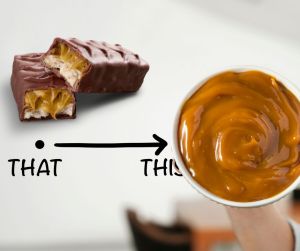
How to Satisfy Sweet Cravings Without the Crash
You don’t need to “quit sugar” cold turkey to heal; you just need to swap the fake fuel for the real thing.
Here are my favorite blood-sugar-friendly trade-ups:
Instead of Try This
Candy bars Pumpkin-Spice Caramel Dip = fiber + minerals
Sweetened latte *Spiced Pumpkin Latte = antioxidants
Ice cream Frozen berries + tahini = Fiber + fat + antioxidants
Baked goods Almond-flour muffins sweetened with monk fruit
Afternoon soda Sparkling water + lemon + cinnamon stick
Every swap tells your body, “You’re safe. You’re nourished. You don’t need to panic for energy.”
*Spiced Pumpkin Latte That Loves You Back
This one’s creamy, cozy, and gives you all the fall feels without the sugar bomb.
Ingredients
¾ cup unsweetened plant milk (almond, cashew, or hemp)
¼ cup pumpkin purée
1 soft Medjool date (soaked) or 1 teaspoon monk fruit sweetener
½ teaspoon cinnamon
¼ teaspoon ground ginger
⅛ teaspoon nutmeg
½ teaspoon vanilla extract
Pinch sea salt
1 cup dandelion root tea or Dandy Blend
Directions
Blend all ingredients until frothy and warm in a saucepan for 2–3 minutes.
Pour into your favorite mug and sprinkle with extra cinnamon.
Pumpkin and spices have fiber, beta-carotene, and antioxidants.
Cinnamon improves glucose uptake and ginger enhances circulation and digestion.
There’s no dairy and no refined sugar. This provides sustained calm energy that supports immune balance.
The Three-Day Sugar Reset
If you feel hooked on sweets, this mini reset will help your taste buds and immune system recalibrate.
- Day 1: Eat a breakfast (not a smoothie, but maybe a smoothie bowl) made with 25 – 30 grams of protein, greens, and healthy fat. For fruit, keep it low glycemic, Granny Smith apple and berries. Hydrate like it’s your job.
- Day 2: Add cinnamon and lemon to water or tea. Notice how your cravings ease when you’re hydrated and mineralized.
- Day 3: Replace all added sweeteners with whole-food sweetness: apples, colorful bell peppers, or roasted root veggies.
By day three, your blood sugar will already feel steadier, and your energy more even.

How Sweeteners Compare
Let’s get practical. Not all sweeteners act the same in your body, but none of them are free passes. Here’s how they stack up when it comes to blood-sugar impact and immune balance:
- Refined sugar (cane or beet): The classic white stuff. This causes an immediate glucose spike and suppresses white-blood-cell activity for hours. Zero nutrients.
- Honey: Natural, yes, but still high-glycemic. Use tiny amounts for medicinal purposes only (think cough or wound care), not as a daily sweetener.
- Maple syrup: This adds trace manganese and zinc, but still raises blood glucose quickly. Better flavor, but not a healthy choice.
- Molasses: Slightly lower glycemic than refined sugar and contains iron, calcium, and potassium, but it’s still mostly sugar. Think of it as fortified sweet and not free rein.
- Coconut sugar: This comes from coconut-palm sap and has a low“er” glycemic impact, plus minerals like zinc and potassium. It’s less spiky but still adds up fast, so use it sparingly.
- Dates: This is whole-food sweetness combined with fiber and minerals. Fiber buffers the rise, so one or two go a long way in recipes.
- Monk fruit or stevia: Only buy the real thing – NOT powdered white granules. This is low-glycemic and safest for blood-sugar control, but only when pure. Avoid blends with erythritol or maltodextrin that can upset the gut.
Even natural sweeteners send chemical messages to your body. Keep those messages short, clear, and kind.
The Bitter Truth About Artificial Sweeteners
If you’ve swapped sugar for “diet” drinks, gum, or those pastel packets thinking you’re making a healthier choice, you’re not alone. Most of my clients come to me doing the same thing. They believe they are making a good choice, trying to keep blood sugar stable. But artificial sweeteners trick your brain and confuse your body.
These chemical sweeteners, aspartame (Equal, NutraSweet), sucralose (Splenda), acesulfame K, and saccharin, send a powerful, sweet signal to your brain without any calories to back it up. Your body expects glucose, gears up insulin, and then…nothing arrives. The result?
- Insulin levels rise anyway, increasing cravings and fat storage.
- Gut bacteria alters toward species linked with glucose intolerance and inflammation.
- Taste buds desensitize, so naturally sweet foods like berries and carrots start tasting dull.
- Over time, metabolism slows, and your microbiome diversity plummets, exactly what you were trying to avoid.
One of the biggest red flags I see is when clients who “don’t eat sugar” still can’t lose weight, still feel inflamed, and still crave sweets constantly. Once we remove the diet sodas, teas, and packets, their taste buds and energy return within weeks.
If you need something sweet while transitioning off sugar, choose small amounts of real, whole-food sweetness (like a small piece of fruit, sweeter foods like red bell peppers or carrots) or go with pure monk fruit extract or stevia, nothing blended, no fillers. Let your palate heal, and it will remember what real food tastes like.
Your immune system can’t be fooled by these chemicals. It only recognizes real foods.
Why Does This Matter Now
As we head into the holidays, sugar is everywhere. But this is also the time your immune system needs the most support. Cooler air, shorter days, and more stress already challenge your defenses. Don’t make it harder by spiking and crashing your blood sugar all day.
Balanced glucose means:
- steadier energy
- balanced hormones
- stronger immunity
- less inflammation
- better sleep and mood
This is all about restoration and regeneration. You’re giving your body a chance to hear itself and heal itself, again.
My Own Wake-Up Call
When I was first healing from Graves’, I realized how deeply sugar controlled my energy and mood. I’d crave it when I was tired, anxious, or sad. But what I really needed was nourishing foods, not more stimulation.
Balancing my meals with lots of greens and beans, herbs, and healthy fats allowed my cravings to drop, and my labs started improving. I didn’t just feel better; I was better.
That’s what I want for you, too.
Your Body Knows How To Heal
The good news is you don’t have to fight sugar forever. Once your body relearns what steady energy feels like, it starts craving that balance. Real sweetness returns to your food, your mood, and your life.
Join Me Inside The Culinary Healing Circle
If you’re ready to heal your relationship with food, hormones, and your immune system, join me inside The Culinary Healing Circle.
Every month we cook and learn together: two live food demos, a deep-dive masterclass, and live Q&A and open coaching support, plus much more.
This November our focus is Cooling Inflammation and Immune Retraining. It’s perfect timing to keep you grounded through the holidays.
Because the sweetest feeling of all is waking up healthy, energized, and free.
 Wholistic Jen
Leave a comment