


By Jennifer Whitmire, MS, MEd, MH, CHES, NEP
After talking about gluten, leaky gut, and immune activation, the next logical question is this:
If the immune system is reacting to food proteins, what else is it reacting to?
Most people think of the immune system as something that fights infections like colds, viruses, and bacteria. That’s true, but it’s only part of the story when you have an autoimmune diagnosis.
Your immune system is also a daily quality-control system. It monitors your tissues, checks for damage, removes cells that are no longer functioning properly, and cleans up any errors. This process is called immune surveillance.
It is happening inside us right now, all the time.
We All Produce Abnormal Cells
Every single day, your body produces cells that don’t divide perfectly.
DNA replication is incredibly precise, but it is not flawless. Normal metabolism creates oxidative stress. Environmental exposures create damage. Even inflammation itself increases mutation risk.
That does not mean something is wrong in the body. Think about it. You are an expert at writing, spelling, and texting, but how many times have you sent a message that didn’t make sense or was corrected for you? (I have a love-hate relationship with autocorrect! And I spelled relationship wrong as I was typing.) Your body is multitasking and creating non-stop 24/7. There are bound to be a few errors.
The healthy body catches these errors quickly. Specialized immune cells identify abnormal or damaged cells and remove them, before they become problematic.
The question is not whether abnormal cells occur and are present. They do, and they are.
The question is whether the immune system is functioning well enough to detect and clear them efficiently. That’s where autoimmune disease becomes relevant.
Autoimmune Disease Is a Sign of Immune Dysregulation
Autoimmune disease is not just an “overactive” immune system. It is a dysregulated one.
Parts of the immune system may be hyperactive while other regulatory pathways are impaired. Inflammation may stay elevated longer than it should. Immune tolerance may weaken. Communication between immune cells becomes less precise. When chronic inflammation persists, other items in the body feel the stress and quality control suffers.
The same inflammatory environment that leads to joint pain, thyroid dysfunction, skin flares, or gut reactions can also impair the immune system’s ability to carry out this methodical surveillance.
Inflammation changes signaling.

Chronic Inflammation Changes the Terrain
In autoimmune disease, inflammatory cytokines stay elevated for longer periods of time. This leads to oxidative stress increasing and mitochondrial function declining. Blood sugar may become less stable changing cortisol patterns.
All of these influence immune regulation.
An immune system that is constantly reacting is going to be less precise. It is busy, stimulated, and responding to perceived threats.
The goal in autoimmune care should NOT be suppression. If you’re like me, your doctor put you on immune suppressors. YIKES! We need the immune system to be regulated.
When inflammation lowers, immune signaling becomes clearer. When blood sugar is balanced, inflammatory cascades decrease. When the gut barrier improves, immune load drops. When those pieces stabilize, immune surveillance improves.
This is why food matters. Food doesn’t cure anything, but it shapes the environment in which your immune system operates.
The Gut-Immune Connection
We cannot talk about immune surveillance without talking about the gut.
A large portion of immune cells reside in gut-associated lymphoid tissue (GALT). The gut barrier determines what enters circulation. The microbiome influences immune training and tolerance.
If intestinal permeability increases, immune exposure increases. If microbial diversity decreases due to restricting or limiting foods, regulatory immune signals decline. If short-chain fatty acid production drops, inflammation rises.
This is why I talk about leaky gut so often. It is not something trendy. It is real and is present in many chronic conditions, even without stomach pain.
A stable gut barrier lowers unnecessary immune activation. Lower activation means less background inflammation. This allows the immune system to focus on repair and maintenance. That includes cellular quality control.
Blood Sugar and Immune Surveillance
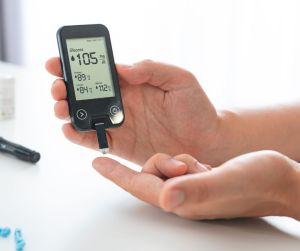
Metabolic health is deeply intertwined with immune function. When insulin levels remain higher and blood sugar fluctuates out of range, there is an inflammatory response, advanced glycation end products accumulate, oxidative stress increases, and immune signaling becomes more erratic.
You can read more about this intersection in my article on insulin resistance and autoimmune disease, but the short version is this:
- Unstable glucose equals unstable immune signaling; whereas, stable glucose means a more stable inflammatory environment.
- The immune system performs best in metabolic stability.
What About Cancer?
This is where many conversations become dramatic. I don’t want that here.
The body is constantly producing, repairing, and removing cells. Most of the time, this happens behind the scenes and efficiently. When regulation falters over long periods of time, risk environments change.
Autoimmune disease does NOT mean someone will develop cancer.
What it does mean is that chronic inflammation, oxidative stress, and metabolic instability may already be present. Those are shared factors.
Our goal is prevention through regulation.
When you lower inflammatory load, improve gut integrity, support mitochondrial function, and stabilize blood sugar, you are improving the conditions under which immune surveillance operates.

What Strengthens Immune Surveillance?
The foundations are consistent across everything we talk about.
- A nutrient-dense diet rich in colorful plants provides antioxidants and phytochemicals that reduce oxidative stress and support DNA repair.
- Adequate protein supports cellular turnover and immune cell production.
- Stable blood sugar reduces inflammatory signaling.
- Minerals such as magnesium, zinc, selenium, and iron support immune cell communication.
- Healthy sleep regulates cytokine production and immune balance.
- Regular movement enhances circulation and improves glucose uptake independently of insulin.
- Gut diversity increases regulatory immune signaling.
The Big Picture
When someone asks, “Why does gluten matter?” or “Why does blood sugar matter?” or “Why are you always talking about inflammation?” this is why.
The immune system is not just fighting infections. It is maintaining order. When that order is disrupted, small errors can accumulate.
When regulation returns, precision improves.
Your body is not fragile. It is adaptive, BUT adaptation depends on the environment.
Autoimmune disease is not a failure of the immune system. It is a signal that regulation has changed. The work becomes restoring conditions that favor regulation.
That includes:
- Lowering unnecessary immune triggers
- Supporting gut integrity
- Stabilizing metabolic signaling
- Reducing oxidative stress
- Rebuilding nutrient density
This helps to strengthen what is already happening inside our body every day.

A Transition Forward
In the coming articles, I’m going to explore this terrain more deeply.
We’ll talk about the shared mechanisms between autoimmune disease and cancer. We’ll look at blood sugar and cellular signaling. We’ll unpack oxidative stress and DNA repair in more detail.
This information allows us to make decisions from knowledge instead of fear.
If you are living with autoimmune disease, the goal is not to panic about long-term risk but to improve the terrain now.
That is what we focus on inside The Culinary Healing Circle.
We work together to build regulation.
We cook in a way that lowers inflammatory load, supports gut integrity, stabilizes blood sugar, and provides the nutrients your immune system actually needs to function with precision.
If that feels like the direction you want to move in, I would love to support you there.
Join us at www.culinaryhealingcircle.com
Your body is already working to protect you. The work now is to make that job easier.
 Wholistic Jen
Leave a comment