

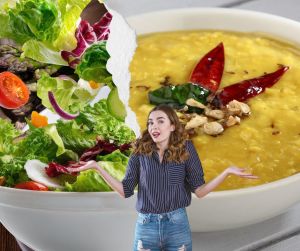
By Jennifer Whitmire, MS, MEd, MH, CHES, NEP
I had one client tell me that she had to eat gluten. She was on multiple meds for pain and various autoimmune issues, but she would get so sick when she went more than a day without gluten. Did she really HAVE to have gluten?
One of the most confusing parts of trying to improve your health is realizing that what works for that person may not work for me and eating “healthy” does not always make me feel better. Ever tried to quit coffee? How about that 3pm sweet treat?
In many cases, it makes us feel worse at first. That is usually the point where we start doubting ourself.
Trading in processed foods and starting to eat salads, smoothies, overnight oat and chia bowls, swapping bread, crackers, pasta for gluten-free products, protein bars, nut milks, juices, supplements, and all the foods we’re told are healthy can suddenly leave us bloated, exhausted, hungry all the time, inflamed, or crashing in the afternoon wondering what happened.
I see this all the time.
The problem is that most nutrition advice is overly simplified and disconnected from what actually happens inside the body when we make all of these changes at once.
Food is not just calories and macros. It is information. The body uses the chemicals from our foods and responds differently depending on how our meals are structured, what the gut is able to tolerate, what nutrients are present, how stable blood sugar remains, and whether the nervous system feels safe enough to digest and regulate properly.
That is a much more complex conversation than “eat healthy.”
Many People Are Technically Eating Healthy While Still Missing What the Body Needs
One of the biggest concerns I see is people creating meals around foods that sound healthy on paper but do not actually serve the body optimally or create stability.
- Smoothies made mostly from fruit.
- Oatmeal by itself or with just fruit.
- Granola.
- Gluten-free products made from starches and gums.
- Large amounts of nut flour products.
- Plant-based convenience foods filled with oils, isolated proteins, and additives.
These foods are marketed as healthy, because they are gluten-free, vegan, organic, low-fat, high-protein, plant based, or made with trendy ingredients. None of those labels tell you how your body is actually going to respond, and it doesn’t give you the full picture.
A meal can technically qualify as “healthy” and still spike blood sugar, create cravings, leave someone hungry an hour later, or increase inflammation and digestive issues.
The body always tells the truth eventually. It may be through fatigue, gas and bloating, cravings, headaches, ….

Blood Sugar Instability and Hunger
Most of us associate blood sugar issues with diabetes, but fluctuations in glucose affect more than that.
When meals include refined carbohydrates or foods that digest very quickly (foods made with rice flour, tapioca starch, etc), glucose rises rapidly and insulin follows. What comes after that spike is usually the real problem.
The crash.
That crash may show up as:
- fatigue
- anxiety
- shakiness
- cravings
- brain fog
- irritability
- needing caffeine to function
- wanting sugar after meals
We rarely connect those symptoms back to the structure of the meal itself.
This is one of the reasons I focus so heavily on combining protein, fiber, fat, and water-rich plant foods together instead of looking at individual foods.
The body responds very differently when meals are created for stability.
I talk more about this in Why Blood Sugar Matters in Autoimmune Disease, because the connection between glucose regulation and inflammation is much bigger than most people realize.
Gut Health Changes Everything
Another issue is that many people are eating foods their body cannot currently process well. That does not automatically mean the food is bad and should be removed forever. It means the gut may not be functioning optimally right now.
Digestion depends on stomach acid, enzyme production, bile flow, microbial balance, nervous system regulation, and the integrity of the gut lining itself. If those systems are impaired, even healthy foods can create bloating, gas, discomfort, or fatigue.
This is why nutrition advice becomes dangerous when it turns into rigid dogma and following the newest influencer.
One person may feel incredible eating raw, cruciferous vegetables and large salads. Another may need more cooked foods, blended foods, or different types and amounts of fiber while the gut heals.
I explain this more in Your Mysterious Microbiome, because gut function influences everything from nutrient absorption to immune regulation and inflammation pathways.

The “Health Food” Industry Is Still an Industry
This is another conversation people do not always want to have.
A large portion of the health food industry still profits from highly processed products.
They may be vegan, gluten-free, keto, paleo, protein-enriched, plant based, or organic, but many are still ultra-processed foods create around isolated starches, oils, gums, sweeteners, and additives.
The front label often creates a health halo that does not match the ingredient list.
This is one of the reasons I encourage people to stop focusing so heavily on marketing terms and start paying attention to ingredients and how food actually feels in the body afterward. ALWAYS read the entire ingredients list. If buying online, click full nutrition/ingredient information.
Real food usually speaks for itself.
Vegetables, legumes, herbs, greens, seeds, beans, whole grains, and whole foods tend to create a very different response than foods engineered to imitate them.
Most People Do Not Need To Remove More Foods
They need more nutrients.
Many of us are undernourished while simultaneously overeating calories.
Low fiber with low minerals, the same meals day in and day out, not enough produce, not enough root vegetables, they aren’t drinking enough real, clean water.
The body cannot regulate well without these raw materials.
This is one of the reasons I focus so much on diversity instead of perfection.
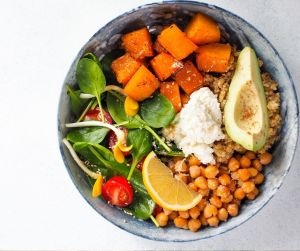
Different colors provide different chemicals. Herbs support digestion and detox pathways. Greens add folate, magnesium, potassium, and carotenoids. Beans support the microbiome, add plant protein and B vitamins while also stabilizing blood sugar.
The body likes and needs that complexity.
What I Focus on Instead
At this point, I spend far less time asking whether a food is technically healthy and far more time asking what the meal is providing and doing once inside the body.
- Does it stabilize energy?
- Does it provide enough fiber?
- Does it support satiety?
- Does it contain enough nutrients for the body to actually function well?
- Does digestion improve or worsen afterward?
Those questions lead to much better outcomes than simply following food rules.
This is also why I build meals the way I do in recipes like The Lasagna I Crave Now That I Understand What Food Does to the Body and The Foods I Crave When My Body Feels Inflamed. The structure of the meal changes the response.
That difference adds up over time.
The Goal Is Not Food Perfection
The goal is learning how to create meals that help the body feel safe, stable, nourished, and supported consistently enough that healing becomes possible.
That usually looks far less extreme than people expect.
- Simple, home-cooked meals.
- Whole foods from the produce department.
- Balanced structure with a combo of protein, fat, and carbs.
- Consistency with meal timing.
- Listening to the body instead of fighting it. (This is the most difficult for me)
Most of us do not need more food rules.


Leave a Reply