

By Jennifer Whitmire, MS, MEd, MH, CHES, NEP
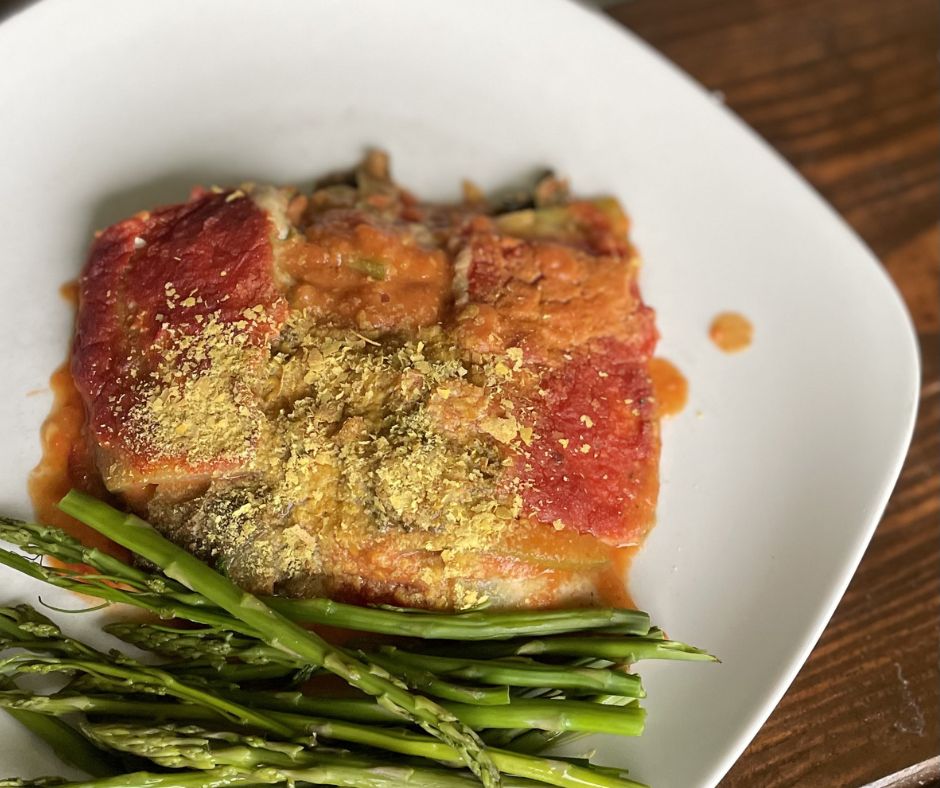
This is one of the easiest lasagne recipes I’ve ever made, and my family LOVES it!
This is the definition of comfort food that loves you back. It’s quick and easy, pairs well with steamed veggies like green beans or broccoli and a small Italian salad. And, this version doesn’t leave you bloated or feeling stuffed.
Traditional lasagna fell into that category for me.
Most lasagne contains refined noodles, large amounts of cheese, oils, and sauces filled with added sugars or unnecessary ingredients. They may taste good in the moment, but leave you feeling sluggish, heavy, inflamed, or exhausted afterward.
Over time, I stopped trying to recreate those meals exactly as they were and started creating them differently.
More vegetables for more fiber, more mineral-rich greens, and more protein from plants that also support the liver and the microbiome.
Comfort Food Should Not Leave Us Feeling Worse
One of the biggest changes I have seen in both myself and clients is learning to pay attention to how food feels in the body after the meal is over, not during the meal but later.
After some meals you feel steadier energy, digestion stays calm, and you are left feeling satisfied for several hours. Others create bloating, fatigue, cravings, or the feeling that you need to lie down afterward.
Most people have normalized feeling poorly after meals, because it has become so common. That does not make it normal.
Meals created mostly from refined flours (store-bought pastas), inflammatory fats (those in cheese and some pasta sauces), and other heavily processed ingredients affect blood sugar, inflammatory signaling, and digestion very differently than meals created from vegetables, legumes, greens, herbs, and fiber-rich whole foods.
This is one of the reasons I focus so heavily on structure instead of calories. We have to use ingredients that contain fiber, vitamins, and minerals that the body uses to perform all of our functions. The body responds to information, not just numbers and macros.

Why I Use White Beans Instead of Cheese
This recipe uses a white bean filling in place of ricotta, not because I am trying to make a “fake cheese,” but because white beans change the nutritional profile of the meal entirely.
Cannellini beans contain fiber, resistant starch, plant protein, magnesium, folate, and potassium while also creating the creamy texture people associate with comfort foods like lasagne. You could also use tofu or peeled zucchini and still get a creamy texture that’s lower carb. (Tofu would add more protein).
The nutritional yeast adds richness and depth without dairy, while herbs and garlic bring the flavor profile back toward what is expected from lasagna.
Most people are surprised by how satisfying this combination feels.
The meal still feels rich and comforting, but it does not create the same heavy feeling afterward.
A Note About Store-Bought Marinara Sauce
Marinara sauce is one of those foods that looks healthy on the front label and can become something very different once you turn the jar around. First, if you don’t make your own, buy one in a glass jar, not canned.
Many sauces contain added sugars, oils, gums, preservatives, and vague ingredients like “natural flavors.” Some contain more sugar than people realize, which changes both the blood sugar response and the quality of the finished dish.
Always read the ingredients!
Ideally, the ingredient list should look similar to what you would use at home:
tomatoes, garlic, onion, herbs, spices. (If it’s not organic, check for citric acid – that’s most likely GMO if not organic).
Keep it simple!

White Bean& Green Zucchini Lasagna
Serves 4–6
Ingredients
Vegetables
2 medium zucchini, sliced into thin strips or rounds
4 cups kale and/or spinach
Sauce
1 jar marinara sauce
(look carefully for hidden sugars, oils, and “natural flavors”)
White Bean Filling
1 ½ cups cannellini beans (or 1 can), drained and rinsed well
¼ cup nutritional yeast
1 Tablespoon oregano
½ teaspoon garlic powder
½ teaspoon onion powder
Fresh basil, if desired
Salt and black pepper to taste
1 Tablespoon apple cider vinegar
~¼ cup water as needed for blending
Instructions
- Preheat oven to 350°F.
- In a blender or food processor, blend the white bean filling ingredients until smooth and creamy, adding enough water to create a spreadable consistency.
- In a baking dish, layer:
- marinara sauce
- zucchini strips
- white bean filling
- kale or spinach
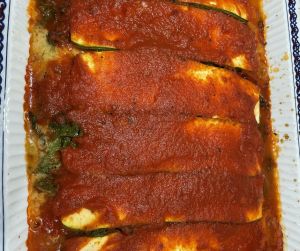
- Repeat the layers until ingredients are used, finishing with marinara sauce on top and an extra sprinkle of nutritional yeast, if desired.
- Bake uncovered for approximately 45 minutes, or until bubbling and the zucchini is tender.
- Allow to rest for 5–10 minutes before serving.
*Can add cooked mushrooms and onions, swap zucchini strips for eggplant, squash, sweet potato, or a combination. Add black beans and use salsa for Mexican Lasagne, …. So many options here!
Approximate Macros
per serving, based on 4 servings, depending on Marinara sauce
Calories: ~180–220
Protein: ~9–11 g
Fiber: ~7–9 g
Net Carbs: ~12–16 g
Fat: ~2–4 g
Why Meals Like This Create a Different Response
Meals created this way tend to create a more stable metabolic response, because they contain fiber, water-rich vegetables, plant protein, and significantly more micronutrients than traditional lasagne.
Fiber slows glucose absorption. Greens add magnesium, folate, carotenoids, and phytochemicals. Beans are filling and add protein while also feeding beneficial gut microbes.
This is one of the reasons I talk so much about food combinations and meal structure in I Knew Something Was Wrong… But My Labs Said I Was Fine
and Your Mysterious Microbiome.
The body performs differently when meals contain the components it actually needs to function well.
The Comfort Food I Want Now
At this point in my life, I am less interested in recreating foods exactly as they were and more interested in creating meals that taste good and allow my body to function well afterward. That balance changes everything, and this is one of those meals.


Leave a Reply