
By Jennifer Whitmire MS, MEd, MH, CHES, NEP
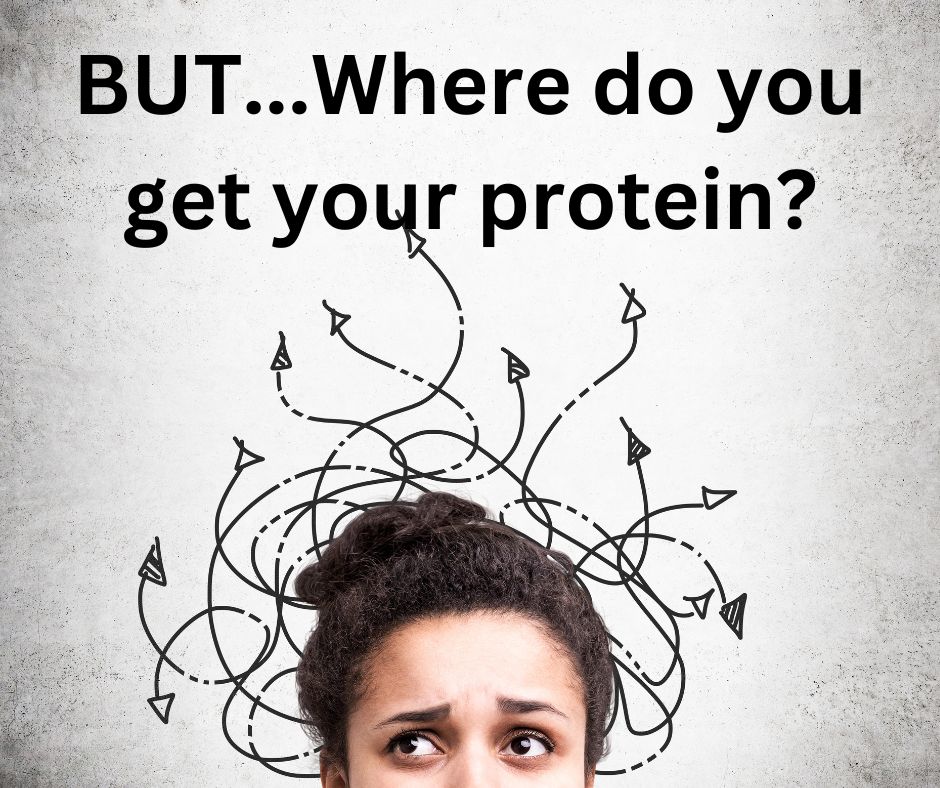
When you think about protein, what’s the first thing that comes to mind? If you’re like most people, it’s probably steak, chicken, eggs, or maybe even a big glass of milk. We’ve been told for years that meat and dairy are the only ways to get protein, eggs are the perfect protein, and dairy is the best source of calcium. But let’s break that down a bit and get into the science—because it’s not that simple, and it’s definitely not the only way.
Why Do We Even Need Protein?
Protein is one of the building blocks of life. Every cell in your body contains protein, which is not only needed for building muscle, but it’s also needed for repairing tissues, making enzymes, and even transporting nutrients throughout the body.
Proteins are made up of amino acids—think of them as the building blocks within the building blocks. I like to imagine them as legos. There are 20 different amino acids, and nine of them are essential, meaning your body can’t make them on its own, so you have to get them from food.
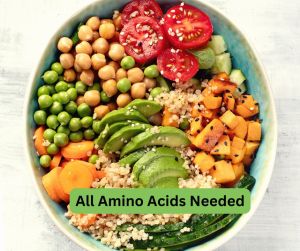
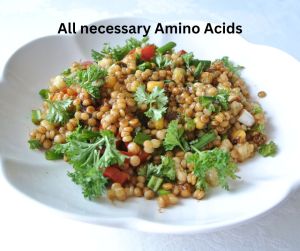
Now, here’s the kicker: the notion that you must eat meat to get all these essential amino acids is simply not true. Whole plant-based foods are full of a variety of proteins that provide the amino acids your body needs. That’s right—plants are loaded with amino acids aka protein!
There is a catch! You have to eat a variety. So don’t think you can live off of apples alone. Apples are super nutritious! An apple a day keeps the doctor away, right?! You would stay healthy for quite a while, but eventually your nutrient stores would be imbalanced, and you would need additional amino acids and minerals. Apples don’t contain everything we need-no food does.
Apples have all of the essential amino acids, but most are only in trace amounts. If you ate them with lots of broccoli and kale, LOTS of broccoli and kale, maybe you could get what you needed. I just don’t think you would be able to eat that much. 10 apples with 15 cups of raw broccoli and 15 cups of raw kale and ¼ cup of ground flax seed would almost meet the needs of the average woman, except for a few minerals. I do NOT recommend anyone eating this. LOL!
I just wanted to show that you can get everything you need from plants if you mix is up. Eat a variety of foods and switch them up.

Instead of eating 15 cups of kale and 15 cups of broccoli and 4 tablespoons of flax seeds with 10 apples, eat variety. An apple with a salad of kale and broccoli with a little quinoa and a creamy hemp seed dressing, a smoothie made with 1 tablespoon flax seeds with some other greens, and a dinner with a lentil curry over cauliflower rice will meet all of your amino acids for the day PLUS your fiber, minerals, vitamins, and essential fatty acids.
Meat for Protein and Milk for Calcium
Let’s start with the protein myth. Yes, animal products contain complete proteins (all nine essential amino acids in one package), but that doesn’t mean they’re the best or only source. Beans, lentils, chickpeas, quinoa, and even vegetables like broccoli and spinach provide a wealth of protein. When you eat a diverse, plant-based diet, your body can easily get all the amino acids it needs.
Going back to the legos, no matter what you eat, your body has to break those proteins (lego houses or buildings) down to rebuild what it needs. You don’t use a piece of meat the create your muscle, the body breaks it down into its parts and reassembles it. It’s the same with greens or grains, the body uses digestive enzymes to break down the plant into its parts and reassembles them.
Cows, gorillas, and elephants eat grass and other greens to create their muscles.
Now, about calcium. The dairy industry has done a fantastic job convincing us that milk is the only way to get calcium. But guess what? Green leafy vegetables like kale, spinach, bok choy, sesame seeds, and even okra are fantastic sources of calcium, and they come without the downsides of dairy. In fact, the calcium in most of these foods is easier for your body to absorb and creates less acid than the calcium in milk.
Understanding Amino Acids and Protein from Plants
Amino acids are the individual legos that fit together to form the protein your body needs. Some plants contain all the essential amino acids—these are known as complete proteins. Quinoa, buckwheat, hemp seeds, and soy are great examples. Other plant foods might be missing one or two essential amino acids, but when you eat a variety of foods throughout the day, your body will piece them together to form complete proteins.
What’s more, plant-based proteins are often easier for your body to digest and come packed with fiber, antioxidants, and phytonutrients that you won’t get from animal products.
You also recycle proteins! Did you know that? Your body is incredibly efficient—it doesn’t just use proteins once and discard them. Instead, it breaks down old or damaged proteins and reuses the amino acids to build new ones. That’s why the old food combining rule is outdated. We now understand that you don’t have to eat all the essential amino acids in one meal; your body stores and recycles them, so you get what you need as long as your diet is diverse.
It’s also important to know that when we consume more protein than our bodies require, the excess doesn’t just disappear. Instead, it’s converted and stored as carbohydrates and fat! It’s important not to overload on protein. A balanced, plant-based diet provides plenty of protein without overdoing it, giving your body exactly what it needs to thrive.
What About Iron, Calcium, and Omega-3s?
It’s true—there are nutrients like iron, calcium, and omega-3 fatty acids that we need to pay attention to on ANY diet. But again, the plant world provides everything you need.
Iron: Leafy greens, lentils, chickpeas, and seeds are rich in iron. Having them with vitamin C-rich foods red bell peppers, kiwi, and raw tomatoes helps your body absorb iron more effectively.
Calcium: As mentioned, leafy greens are an excellent source of calcium. Include a variety of greens like kale, collard greens, and bok choy in your meals and top them with sesame seeds, use sesame oil in a dressing (if you use oil), and chew them very well to help your absorption.
Omega-3 Fatty Acids: Focus on seeds, particularly hemp seeds, chia seeds, and flax seeds, which are rich in omega-3s. Walnuts and algae are also great options for plant-based omega-3s. Don’t go for the measly teaspoon, use a full tablespoon of seeds.

The Power of Plants
When you nourish your body with whole, plant-based foods, you’re not just meeting your protein needs aka amino acid needs—you’re giving your body a range of nutrients that support your whole body. These foods are anti-inflammatory, rich in fiber, and loaded with vitamins and minerals that promote healing and all of your body’s processes.
In short, a whole foods plant-based diet isn’t about what you’re cutting out; it’s about what you’re gaining. By shifting to a diet rich in plants, you’re choosing foods that are powerful, healing, and full of life.
So, the next time someone asks, “Where do you get your protein?” you can smile and know that you’re getting everything you need from a diet that’s as rich and diverse as nature itself.
Want more plant-based recipes and ideas? Head over to wholisticjen.com. I’ve got lots of free recipe guides and even a cookbook or two that I think you’ll enjoy! Click on the tabs and discover all my partner, Jen Twin Jennifer Swank, and I have to offer.

 Wholistic Jen
Leave a reply to What I Eat In A Day To Support My Energy and Keep Antibodies Down – Wholistic Jen Cancel reply