


By Jennifer Whitmire MS, MEd, MH, CHES, NEP
We’re constantly looking for the next great quick fix. All of us! Even me. We’re told to eat this and avoid that, follow one “miracle” diet or another. We are bombarded by health advice that can feel overwhelming and leave us wondering: How much does what I eat really matter? Can what I eat actually make a difference in my health, healing, and longevity? And if so, how?
There is an undeniable power of food; it really is medicine. Everything you put in your mouth is either helping you are harming you. Food isn’t the ONLY answer, but certain foods really made a difference in my own journey, and making certain foods a habit of eating or avoiding were one of the keys for me.
The Power of Food in My Own Healing Journey
If you’re confused about what to eat or how to eat it, I get it because I’ve been there. I’ve had my share of health struggles and have tried countless approaches to healing. But time and again, I found myself returning to the simplest, most natural solution: real food.
There’s something empowering about knowing we can nourish ourselves in ways that help heal our bodies, fight inflammation, balance our hormones, and improve our health. And the more I embraced whole foods and rainbow meals, the more I saw the real impact it had on my health. Through years of experience, I’ve become convinced that food matters immensely—often more than we might think.
Nutrients
One of the most exciting parts of my journey was realizing that the food we eat truly interacts with our bodies on a cellular level.
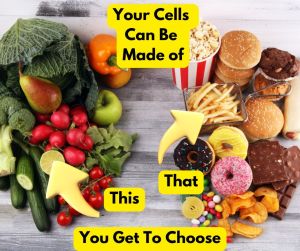
Food is your Building Blocks
Every single cell in our body is made from the food we eat. When we consume high-quality, nutrient-dense foods, we’re literally giving our cells the best possible materials to function well. That means better energy, more stable moods, and even improved hormone function. Every single thing you eat is broken down and carried into the blood to become a part of us.
Fueling Body Processes
Nutrients from our food is turned into fuel for countless biochemical reactions, from detoxification to immune defense. After being broken down and absorbed, it’s carried to the liver—a powerful organ which is busy filtering toxins and maintaining balance (including hormone balance) in the body. Whole foods like dark, bitter, leafy greens, cruciferous veggies, and several of our herbs support liver function. They all contain nutrients needed in helping our bodies remove toxins more effectively.
The Gut Microbiome and Immune Health
It’s fascinating to realize that what we eat influences the health of our microbiome. The right foods can nurture a diverse and balanced microbiome needed for immune health, mental health, and even hormone balance. In fact, recent research links gut health to our ability to manage stress and reduce inflammation.
Living on a farm, we know that certain amendments added to the soil will attract certain insects and microorganisms that will nourish our plants and attract the right species for healthy plants. If we don’t provide the right nutrients for the soil, we’ll end up with bugs that eat the plants and bugs that attract birds and other critters which eat parts of the plants, leaving us food that isn’t desirable.
The same thing happens in us! If we eat low nutrient foods that don’t feed our internal “soil,” and we end up attracting microbes that leave us weak and prone to pathogens.

When Eating Right Feels Hard
When it comes to food and health, one of the biggest challenges is sticking to it. We all have our moments when making “healthy choices” feels like too much. Maybe life gets busy, stress levels rise, or we’re just tired of the constant focus on what to eat. If you’ve felt that way, you’re not alone.
One of the best things I’ve learned is to approach food choices with curiosity rather than rigid rules. Instead of thinking about eating healthfully as a restriction, it can be an experiment in discovering what makes you feel really good. When we release some of the pressure, food becomes less about rules and more about self-care.
Eating the Rainbow not only gives us a dish that is beautiful and mouthwatering to look at, it provides nutrients our body needs, AND it can be a fun game. My family competes to see whose plate is prettier. My kids are grown now, but they grew up telling me when we were missing a color, and now it is a habit for them to reach for another vegetable to add color to a dish.

What About The Anti-Inflammatory Approach
In my experience, choosing anti-inflammatory foods is a great way to make food work for your health. Chronic inflammation is one of the root causes of many conditions from heart disease to autoimmune conditions. Choosing foods with anti-inflammatory properties can make a real difference in reducing inflammation and in preventing disease. Just eat the rainbow!
-Berries (like blueberries, blackberries, raspberries) are packed with antioxidants that help fight oxidative stress (rusting in the body) and support the brain.
– Leafy Greens (like kale, spinach, and Romaine) are high in fiber, vitamins A, C, and K, and essential minerals. These greens help reduce inflammation and support liver detox.
– Healthy Fats (like avocados, nuts, and seeds) are rich in essential fatty acids. Choosing seeds like chia seeds, flax seeds, hemp seeds, and walnuts give you omega 3 fatty acids which are even more anti-inflammatory.
– Turmeric is a golden spice that contains curcumin, a well-known anti-inflammatory. Grating turmeric into soups, teas, or even smoothies is a delicious way to boost your body’s healing capabilities. You can even add it to beans, stir fries, or curries.

How To Enhance Your Diet
It’s one thing to know food matters, but it’s another to put that into practice. Here are some steps to make healing foods a regular part of your life without feeling overwhelmed.
CROWD OUT
Instead of focusing on cutting foods out, try adding more nutrient-dense ones. By adding more colors to your plate with rainbow vegetables and omega 3-rich seeds, you’ll naturally create a more balanced and nourishing meal. Look at your meal and see, what color is missing? Do I have another leaf, green, veggie that I can add?
Listen to Your Body
Tune in to how certain foods make you feel. For example, if you notice a drop in energy after a carb-heavy meal, try adding more non-starchy veggies next time. Likewise, if you feel more focused and calm after a big salad, make note of it. I also like my clients to keep a Food, Mood, Poop Journal. Keep track of how you feel and how certain foods affect your bowel habits, so you can better plan what to eat when.
Simple Swaps for Big Gains
Sometimes the smallest changes can make a big difference. Swapping sugary snacks for a handful of nuts or replacing soda with sparkling water can gradually shift your habits toward healthier choices.
Prioritize Quality
My #1 Rule: Always Read The Ingredients
Better yet, buy food that doesn’t even have an ingredient list-whole foods.
Whenever possible, choose whole, organic foods to minimize your exposure to pesticides and chemicals. These foods may also contain more nutrients, making them an even better choice for healing.
It’s Not JUST The Food
Here’s where it gets a little “weird” but absolutely fascinating. Food isn’t just about calories or nutrients. Our experience of food—how we feel about it, how we prepare it, and even who we eat it with—plays a big role in how we digest, absorb, and benefit from it.
How Stress Affects Digestion and Health
You may have read that my doctor said, “Just avoid stress.” Easier said than done, right? But stress truly can interfere with digestion and nutrient absorption.
When we’re stressed, our bodies go into “fight or flight” mode, slowing down digestion and diverting resources away from our digestive system. As a result, even the healthiest food might not be absorbed as effectively or broken down correctly, which can lead to damage inside.
Mindfulness around meals can be transformative. Take a few deep breaths before eating, do a meditation, or say a blessing or prayer. And…there are no teeth past your mouth, chew thoroughly and appreciate the food in front of you. This is a simple way to shift into a “rest and digest” state.
Mindset
Mindset is a major player in health and healing. Approaching food with positivity and gratitude changes how we feel about nourishing ourselves. If we constantly stress over food choices or feel guilty after a meal, we may undermine the health benefits of even the best foods. Embracing a positive mindset can help us enjoy and benefit more fully from our meals.
The Role of Community and Connection
Finally, food is about connection. Eating with loved ones, sharing meals, and cooking together can all have profound health benefits. Studies show that those who regularly share meals with friends and family are often healthier and less likely to suffer from depression.
Finding a community, even online, to share recipes, tips, and experiences with can provide encouragement and inspiration. It can also help us stay motivated to make good choices, especially when life gets challenging.
Taking Care Of You
Of course, food isn’t everything. True wellness also includes sleep, movement, stress reduction, and, most importantly, self-care practices that nourish our spirit. In my experience, finding a balance of quiet time, community, and physical activity helped me enhance the effects of a healing diet.
Consider energy medicine and practices like Qi Gong. These forms of mindful movement help to relax the mind, balance the body, and reduce stress. They’re especially helpful for those of us who are constantly on the go and need help slowing down.
So Does My Food Really Matter?
So, does your food really matter? The answer is a resounding yes. Food isn’t just about managing weight or satisfying hunger. It’s a vital aspect of our health, affecting every cell, every system, and every part of our well-being. From boosting immunity to reducing inflammation and even managing mental health, the right foods can be a powerful ally on your journey toward optimal health.
Get Ready to Transform Your Health!
Join the waiting list for The Jen Twins Membership, The Zen and Zest Zone Membership, and be the first to access a community dedicated to healing, nourishing recipes, expert-led classes, exclusive workshops, and more. Don’t miss your chance to connect, learn, and create vibrant health with us—secure your spot now!

 Wholistic Jen
Leave a comment