


By Jennifer Whitmire, MS, MEd, MH, CHES, NEP
If you’ve been diagnosed with an autoimmune thyroid condition like Hashimoto’s or Graves’ disease, you might be wondering what supplements can help. Supplements can play an important role by addressing nutrient insufficiencies and deficiencies, reducing inflammation, and regulating the immune response.
If the autoimmune condition is active, there is inflammation, and many supplements can help with inflammation, as well. BUT, you have to be able to break down and absorb the supplements. AND, you have to make sure it’s the right amount, not too much.
Key Nutrients for the Thyroid
Your thyroid relies on several essential nutrients to function optimally, especially when autoimmunity is involved.
- Selenium – Critical for reducing thyroid antibodies and protecting against oxidative damage, selenium is a key nutrient for the thyroid and has been shown to reduce thyroid peroxidase antibodies (TPOAb) and thyroglobulin antibodies (TgAb). It also improves mood and reduces anxiety in autoimmune patients.

You should have antibodies on your lab report! If not, get them! If your doctor won’t order them, we can help. These are markers of autoimmune activity. Knowledge is power! You need to be able to monitor these throughout the year to see if the steps you are taking are making a difference or if you need to kick things up a notch.
- Zinc – Zinc helps regulate immune function and supports thyroid hormone production. It can enhance thyroid function.
- Iodine – This is necessary for thyroid hormone synthesis. The T3 and T4 mentioned in your meds refers to the number of iodine molecules on the protein, tyrosine. Don’t run out and supplement right away, though, because too much can worsen autoimmunity.
- Iron – Iron is an essential cofactor needed for thyroid hormones and is necessary for converting T4 to active T3 hormone. I wouldn’t take iron supplements, because it is easier and safer to get iron from your foods (YES, even plant foods!).
- Magnesium – Magnesium helps calm inflammation and supports thyroid function, and magnesium deficiency is linked to increased thyroid antibody levels. It enhances the ability to regulate immunity and also has a calming effect to help with relaxation and sleep which are very important in autoimmune thyroid conditions.
- Vitamin D – Vitamin D is needed for immune regulation and deficiency is common in autoimmune thyroid diseases. Supplementing with moderate doses of vitamin D helps reduce autoantibody levels, improve immune regulation, and support overall thyroid function. BUT, get your vitamin D tested! And get it tested in the winter and the summer. Many people think they are out in the sun enough, but not all bodies can absorb it well enough.
- B Vitamins (Especially B12 & B6) – B vitamins support energy and neurological health. They play key roles in thyroid hormone synthesis, immune regulation, and reducing inflammation
- Vitamin A – Vitamin A is needed to balance pro-inflammatory and anti-inflammatory immune responses. It helps to modulate the differentiation of T-helper cells (Th1/Th2) and promotes the development of regulatory T cells which help suppress inappropriate immune responses and helps to reduce inflammation. It also helps to support the mucosal lining of the gut. A healthy gut lining reduces systemic inflammation present in most autoimmune diseases.
While certain nutrients can help support thyroid function, the truth is—food is always the best first choice. Why? Because nutrients in whole foods work synergistically, providing the perfect balance for absorption and utilization.
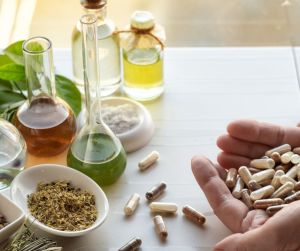
Why Food is Better Than Supplements
While supplements can be useful in cases of severe deficiency or gut inflammation, getting nutrients from food ensures you’re not overloading your body with isolated nutrients which can sometimes do more harm than good. Whole foods contain co-factors, enzymes, and phytonutrients that improve absorption and effectiveness.
Synergy
Whole foods provide vitamins, minerals, phytonutrients, fiber, and other compounds that work together to enhance absorption. For example, an orange contains vitamin C along with fiber, calcium, and other nutrients that collectively promote better health compared to an isolated vitamin C in a supplement
Better Absorption
Nutrients in food are generally more bioavailable, meaning they are absorbed more efficiently compared to those in supplements. (There are some exceptions). And, the body has to break down supplements, the capsules, fillers, etc. and process those which can contain inflammatory triggers in some people. Some tablets are very difficult to break down and may contain fillers that are inflammatory.
If you do choose supplements, it is generally best to choose a liquid form, powdered form would be my next choice, then a capsule, then a tablets.
I had a horrible reaction to a supplement that had food dye added to it. Why do they need to add coloring?! So if you do take supplements, please remember my number 1 rule: ALWAYS READ THE INGREDIENTS! Even on your supplements. Read the active and the inactive ingredients.
Whole foods contain antioxidants and phytochemicals that are not in most supplements. These compounds help to reduce inflammation and support the immune system. A vitamin is going to miss all of the other phytonutrients found in a food. I mentioned vitamin C before, but the nutrients in an orange work together to boost the body a whole lot better than vitamin C alone.
Lower Risk of Overdose or Imbalance
Getting nutrients from food reduces the risk of consuming excessive amounts of certain vitamins or minerals which can occur with supplements. Over-supplementation may lead to toxicity or imbalances that disrupt nutrient interactions and throw the body out of balance. Most minerals work together, but if you over supplement, it may disrupt how your body maintains your bones and/or how your intestines move, leading to weak bones and/or constipation.
What Foods Provide The Nutrients I Need?
- Selenium-Brazil nuts, sunflower seeds, and shiitake mushrooms.
- Zinc-pumpkin seeds, lentils, and chickpeas.
- Iodine-nori, dulse, wakame
- Iron-lentils, dark leafy greens, black strap molasses, and pumpkin seeds
- Magnesium-leafy greens, almonds, and hemp seeds.
- Vitamin D -aim for safe sun exposure along with mushrooms. Buy brown mushrooms and lay your mushrooms out in the sun with the gills facing up for 15 minutes to absorb more vitamin D.
- B vitamins – nutritional yeast, sprouted legumes and whole grains like oat groats, and dark leafy greens.
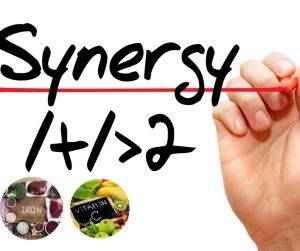
Synergy
Several nutrients work in synergy to support the thyroid and regulate the immune responses in autoimmune thyroid disorders.
1. Selenium and Zinc:
– Selenium is essential to protect the thyroid from oxidative stress and for converting the inactive thyroid hormone (T4) into its active form (T3). Zinc supports this process by enhancing thyroid hormone metabolism and immune function.
– Combining selenium and zinc improves free T3, free T4, and thyroid-stimulating hormone (TSH) levels.
Eat your 1-2 Brazil nuts a day with some sunflower seeds or pumpkin seeds. If you have a stir fry with shiitake mushrooms, top it with some sunflower seeds. Eating a lentil burger? Have a side salad with a mix of seeds on top.
2. Selenium and Iodine:
Selenium counterbalances high iodine by regulating iodine-induced oxidative stress and reducing thyroid antibody levels. Together, they optimize thyroid function.
Eat a miso soup with sea vegetables or a seaweed salad.
3. Zinc and Vitamin A
Zinc is essential for moving vitamin A from the liver, while vitamin A improves zinc absorption. This synergy helps in immune function and gut health. (Healing Leaky gut is essential in autoimmune thyroid disease).
(The precursor to vitamin A is in red and orange foods, and it can be difficult for some people to convert depending on genes, so make red foods a priority.)
For synergy, eat a lentil stew with carrots and sweet potatoes, or spinach salad with pumpkin seeds, avocado, raw red peppers, and a citrus dressing, or a quinoa bowl with kale and a tahini sauce.
4. Iron and Vitamin C
Vitamin C enhances the absorption of iron by converting it into a more bioavailable form.
Squeeze lemon juice over your dark leafy greens, add raw bell pepper slices and pumpkin seeds to stir fries and salads, or add raw broccoli to cooked beans.
There are many other ways that food pairings help with synergy, and we teach all about it and make it easy in our monthly workshops in The Zen and Zest Zone.
When Should You Supplement?
If your tests show that your vitamin D is low, lower than 50, and it’s fall or winter, and/or you live north of Atlanta (north of latitude 34 degrees), add vitamin D to your supplement list.
If you have multiple food sensitivities and cannot eat many of the most nutritious foods, you should add green juices and other vegetables juices and may need to supplement for some nutrients.
If your labs results show that you are not absorbing nutrients, and you have multiple nutrient insufficiencies or deficiencies, add green juices and other vegetable juices, and supplement for what is missing.

How Can We Help?
Our focus in The Zen & Zest Zone is on whole food, plant-based meals designed to support your thyroid naturally. We dive deep into the science of how food fuels healing and share recipes that make it easy and delicious to get these key nutrients.
We make it SO EASY to eat in a way that really FUELS YOUR BODY!
Ready to take charge of your health with nourishing, delicious meals? Join us in The Zen & Zest Zone, where we break down the science, make food fun, and empower you to thrive.
(We also teach you about herbs and herbal remedies that help, have monthly workouts that help, and monthly mindset workshops that also help!)


 Wholistic Jen
Leave a reply to Ginger Montgomery Cancel reply