


By Jennifer Whitmire, MS, MEd, MH, CHES, NEP
If you’ve been struggling with low energy, hormone craziness, chronic inflammation, or digestive issues that seems to have no clear cause, you’re not alone. Have you’ve tried cutting out gluten? Sugar? Dairy? Meat? Or even lectins, oxalates, …? AND… you still don’t know what to eat?!
Maybe your supplements shelf is overflowing, your lab tests are confusing, and you’re still waking up tired or bloated or irritable.
I get it! I can feel your frustration boiling inside. Maybe you need to stop cutting things out and start adding things in?
More variety. More nutrients. More color.
Colorful, real food that grows outside and hasn’t been stripped of its life energy has the power to reset your body from the inside out. Each and every color brings its own healing intelligence: red for inflammation, orange for hormones, green for detox, purple for the brain, white for immunity.
You don’t have to find another plan. You just have to learn how to add more color to your life. When you eat the rainbow, you’re feeding your body what it needs and awakening a system that got lost along the way.

How I Became a Food Nerd
For the past 28 years, I’ve lived and breathed nutrition (even while I was teaching math, I was taking online courses at universities all around the U.S.). I am passionate about using food as medicine, and I knew my purpose was to help others use food to heal. Eventually, I became a full-blown food nerd.
10 years after I began studying nutrition, I found myself in a health crisis. I needed answers that conventional medicine couldn’t provide. The deeper I dove into the world of plant nutrition, the more intrigued I became. I was taught that vegan was dangerous and had to be well-planned out, but it didn’t make sense. I knew plants had all of the nutrients we need, and no one, not even me, was eating enough of them.
I’ve used nutrition to transform my own health. I’ve seen it heal my family. And I’ve watched hundreds of clients shift from chronic fatigue, hormone imbalances, gut dysfunction, pain and inflammation, and autoimmune symptoms into clarity, strength, and stability. All of this was done by leaning into the healing power of food and the beautiful colors on and inside of those foods. Food really is medicine.
What Does It Mean to Eat the Rainbow?
Eating the rainbow means intentionally filling your plate with a variety of colorful plant foods: reds, oranges, yellows, greens, blues, purples, browns, blacks and whites. These colors give us clues about the phytochemicals inside. Each one plays a different role and has a different capability to support the immune system, brain, hormones, detox pathways, and microbiome.
I’m not just talking about fruits and vegetables, though they’re the stars. Herbs, spices, legumes, leafy greens, sea vegetables, sprouts, mushrooms, roots, berries, pseudo grains like colorful quinoas, red and black rice, and even teas all add to your daily rainbow.
Most people eat the same 10–12 foods over and over again.
Think about it. How many different items do you pick up in the produce section? Is it always the same? True nourishment comes from diversity, variety. This feeds your gut microbes, challenges your immune system in a good way, and brings in synergistic nutrients that work better together.
Why Every Hue Matters
Polyphenols are the colors in your foods. Each color represents different antioxidants, anti-inflammatories, and phytochemicals that promote healing.
- Red foods (like tomatoes, watermelon, and red bell peppers) are rich in lycopene, which supports prostate and heart health and reduces inflammation.
- Orange and yellow foods (carrots, squash, citrus, turmeric) are loaded with carotenoids like beta-carotene and lutein for vision, skin, and immune function.
- Greens (kale, broccoli, dandelion, parsley) include chlorophyll, sulforaphane, calcium, folate, and fiber that detoxify, energize, and balance hormones.
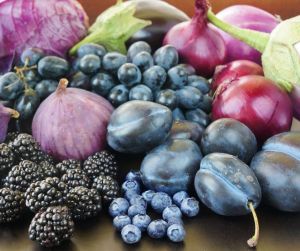
- Blues and purples (blueberries, purple cabbage, eggplant) add anthocyanins, which are powerful for the brain, heart, blood vessel strength, and longevity.
- Whites and browns (garlic, onions, mushrooms, cauliflower) include allicin, prebiotic fibers, and polyphenols that support immune response and gut integrity.
But it’s not just the color that matters, it’s the synergy.
You wouldn’t show up to build a house with only hammers. You need a hammer, BUT you also need a nail, at least 1, right? You need many other tools in your toolbox, too.
The same goes for nutrients. Vitamin C helps you absorb iron. Fiber helps you detox excess estrogen. Polyphenols reduce oxidative stress which makes other nutrients more effective. The more variety you eat, the more your body can access that full healing synergy.
Why I Don’t Count Calories, But I Do Count Plants
The most transformative shift in my own healing journey wasn’t cutting carbs or counting macros. It was focusing on nutrient density and plant diversity.
Instead of worrying about what to take out or avoid, I started focusing on what to add in. That’s when the real change happened.
I follow a hybrid of three models I love. Now remember, I thought these were crazy ideas when I first read them beginning with Dr Weil in 2000 (Wow! 25 years ago!).
- Dr. Joel Fuhrman’s recommendation of 1 pound of raw and 1 pound of cooked vegetables each day. This keeps my nutrient density sky-high and fiber, polyphenols, and antioxidants flood my body every day. (I was in both of his Nutritarian studies) Love him!
- Dr. Andrew Weil’s guideline of at least 12 servings of vegetables and fruits each day. His anti-inflammatory food pyramid aligns beautifully with a plant-forward lifestyle and allows plenty of flexibility.
- Dr. Terry Wahls’ protocol of 9+ cups of vegetables a day: 3 green, 3 sulfur-rich, and 3 colorful. I especially love her work in autoimmune reversal and her focus on mitochondria and cellular repair.
While I don’t measure servings, I do mentally aim to hit all the colors and hit that 30+ plant foods a week benchmark that current microbiome research recommends.
Feed Your Inner Garden-The Microbiome
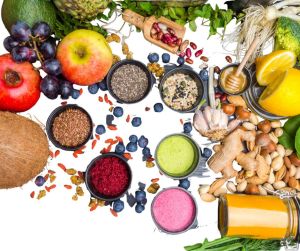
Your microbiome, the community of bacteria, fungi, and other microbes living mostly in your gut, thrives on diversity. And just like humans, different microbes need different nutrients that come from different foods. If you eat the same spinach, banana, and broccoli every day, you’ll only be feeding a narrow spectrum of microbes.
I have had so many clients come to me after following macros for years. They met their bathing suit goals in just months, but now they’re sick and tired of being sick and tired, and their organs, glands, and microbes are screaming for nutrients. Meeting macros is NOT meeting nutrient needs.
When I began intentionally rotating my foods, I noticed a huge shift: less bloating, clearer skin, better sleep, and even fewer cravings. My clients experience the same. In many ways, healing our gut is about going back to the basics, those ancestral patterns of seasonal variety and whole foods, even adding in fermented foods.
- Trying new greens – Spinach, Romaine, and Spring Mix this week, Kale, Chard, and Napa Cabbage next week, …
- Swapping herbs weekly – rotating herbs for bedtime teas, using more cilantro this week and more parsley and dill the next week, …
- Exploring seasonal produce – berries and summer squashes in late spring early summer moving into soups with winter squashes and root vegetables in the fall, …
Studies now show that people who eat more than 30 unique plant foods per week have significantly more microbial diversity. This is linked with better immune resilience, weight stability, lower inflammation, and better mood.
Your Endocrine System Loves Color
Each color in your diet helps regulate your hormones.
- Cruciferous vegetables help your liver metabolize estrogen properly.
- Carotenoids from orange veggies support progesterone and adrenal balance.
- Purple anthocyanins protect the brain, including the hypothalamus and pituitary.
- Selenium in mushrooms help the thyroid hormones.
I’ve worked with many women struggling with PCOS, hypothyroidism, perimenopause, and autoimmune issues. Supporting them through food creates a foundation for healing that no supplement can replace.

Practical Tips to Eat the Rainbow Without Getting Overwhelmed
If you’re reading this and thinking, “How am I supposed to get all those colors in daily?”—take a breath. You don’t have to Do-It-All today. Start where you are. Here’s how I guide my clients:
1. Start with your salad.
Have a salad every day with at least 5 colors. Use leafy greens as your base, add shredded purple cabbage or chopped purple onion, grated carrot, mini bell peppers, yellow squash, or even some fresh berries.
2. Rotate your greens.
Don’t just eat spinach every day. Try arugula, chard, dandelion, watercress, butter lettuce, Bok choy. Even though they are all green, each green brings different minerals and detox power.
3. Try new herbs and spices.
Add cilantro, parsley, mint, basil, rosemary, and turmeric. Grab them fresh or grow your own and taste how amazing these are compared to the dried ones. These are nutrient powerhouses and microbe boosters in tiny doses.
4. Eat seasonally.
Nature gives us what we need, when we need it. Summer fruits and fruit – veggies (tomatoes, cucumbers, zucchini, peppers) hydrate. Fall winter squashes nourish. Winter roots ground us. Spring greens cleanse.
5. Use leftovers creatively.
That beet salad you didn’t finish? Toss it on greens tomorrow. I have a Leftovers Salad at least 5 days a week – It makes lunch a breeze! Extra roasted veggies? Blend them into a soup or wrap them in lettuce boats or nori sheets.
6. Color code your grocery list.
Make sure your cart includes at least one food from each color family every time you shop. Before you leave the produce section, do a glance over. Do I have all of the colors? How can I add more color? If I don’t want to grab more produce, I grab different colored beans, quinoa, and frozen fruit.
How Eating the Rainbow Helped Me Heal
I remember a time when I was exhausted just waking up in the morning. I never knew what to expect! Am I going to be able to get out of bed tomorrow? I was frustrated, my digestion wasn’t right, and I never knew if I was going to have the energy I needed for the day. I was trying to do all the things. But it wasn’t until I committed to deeply nourishing my body with quantity, variety, and color that my body finally responded.
My daily salads are now a daily ritual. I crave them if I’m traveling. Not punishment—pleasure. My kids even got involved, helping pick out new veggies each week. They still love checking to make sure all the colors are there (And they’re 19 and 25 now). And my clients? They’ve watched skin conditions clear, blood sugar stabilize, shoulder pain and back pain fade away, hot flashes lessen, and brain fog lift.
There’s nothing magical about one vegetable. The magic is in the diversity and the consistency. Day in and day out, choosing foods that heal not inflame.

Your Invitation to Eat the Rainbow
Try one new food this week. Build a rainbow salad. Say yes to purple sweet potatoes or golden beets or watermelon radish.
Get Creative! You need more color in your life. More pleasure. More nutrients.
When we eat like our bodies are worth healing, because they are, everything begins to shift.
Let’s Do This Together
If you’re ready to fall in love with food again and learn how to make colorful, healing meals the easy and fun way, join me for the Free 3-Day Salad Challenge, July 8–10. We’ll explore how to make rainbow salads that are FILLING, blood sugar-friendly, microbiome-loving, and actually taste amazing.
You’ll get recipes, support, and a fresh way to think about your plate.
Let’s make food exciting again, colorful, healing, and full of life.
👉 Join the Challenge Here and let’s eat the rainbow—together.
 Wholistic Jen
Leave a comment