
By Jennifer Whitmire, MS, MEd, MH, CHES, NEP
If you’ve spent any time in my world or the world of nutrition science, you’ve probably heard the word phytochemicals. It shows up in research papers, lectures, and conversations about chronic disease prevention, but rarely gets translated into something practical or usable.
Most people know phytochemicals are “good for you,” but they don’t really know what they are, why they matter so much for autoimmune disease, or how to include them without turning every meal into another project and more stress.
Phytochemicals may be one of the most powerful, under-used tools we have when it comes to immune regulation, inflammation reduction, and long-term recovery.
What Are Phytochemicals, Really?
Phytochemicals are plant chemicals, bioactive compounds. They’re not vitamins or minerals, and they don’t have calories, but they influence how cells behave. (As a side note, organic produce has 20-100% MORE phytochemicals than conventionally grown.)
Plants produce phytochemicals to protect themselves from environmental stressors like UV radiation, pests, and pathogens. I want to be protected from those, too. When we eat plants, we benefit from those same protective compounds. (When plants are sprayed with pesticides and fungicides, they no longer have to protect themselves, so they end up lower in those beneficial compounds.)
From a biochemical standpoint, phytochemicals interact with cellular signaling pathways, meaning they influence gene expression, regulate inflammation, affect oxidative stress, support detox pathways, and communicate directly with the immune system.
This is one of the key differences between eating supplements and nutrients and eating real, whole food. This is also why I insist on food first. If you want to track your macros and vitamins and minerals, don’t enter your supplements. Make it goal to meet your needs with food.
You can supplement isolated vitamins, but you cannot replicate the complexity of phytochemical signaling outside of whole plant foods.
Why Phytochemicals Matter So Much in Autoimmune Disease
Autoimmune disease is not simply an overactive immune system. It’s a dysregulated one.
In autoimmune conditions, immune cells lose tolerance. Inflammatory signaling becomes chronic. Oxidative stress increases. Cellular communication gets distorted.
Phytochemicals help restore order.
Many phytochemicals act as immunomodulators rather than immune stimulants. That distinction matters. Instead of “boosting” the immune system, they help regulate it, guiding immune responses toward balance.
They also influence:
- NF-kB and other inflammatory signaling pathways
- Antioxidant enzyme systems like glutathione
- Mitochondrial function and cellular energy production
- Gut microbiome composition and diversity
- Intestinal barrier integrity
This is why diets rich in whole plant foods consistently show benefits for autoimmune conditions, even when calorie intake or macronutrient ratios vary.
Signaling matters more than getting the math right.
Phytochemicals and the Gut–Immune Connection
A significant portion of phytochemical activity happens in the gut, which is especially important for anyone dealing with autoimmune disease or intestinal permeability.
Many phytochemicals are not fully absorbed in the small intestine. Instead, they move on to the colon, where they interact directly with gut microbes. Those microbes then transform phytochemicals into bioactive metabolites that influence immune signaling, inflammation, and gut barrier integrity.
This matters because a compromised gut lining, or leaky gut, allows immune cells to be exposed to proteins and inflammatory triggers they were never meant to see. Phytochemicals help calm this process by supporting the microbiome, strengthening tight junctions in the intestinal lining, and reducing inflammatory signaling at the gut–immune interface.
This is one reason diversity matters.
Different plants provide different phytochemicals, and different phytochemicals feed different microbial species. A diverse microbiome produces more short-chain fatty acids and anti-inflammatory compounds to help maintain gut barrier integrity and support immune tolerance.
In autoimmune recovery, this relationship between phytochemicals, the microbiome, and the gut lining is vital.
Common Classes of Phytochemicals (and Why Should You Care?)
You don’t need to memorize long lists of phytochemicals, but understanding the main categories helps you eat more intentionally and with less guesswork. These compounds work through different biochemical pathways, which is why variety matters more than focusing on any single “superfood.”
- Polyphenols are one of the largest and most studied groups. They’re found in berries, cacao, olives, herbs, green tea, and many deeply colored plants.
Polyphenols reduce oxidative stress, modulate inflammatory signaling pathways like NF-kB, and support mitochondrial function.
- Anthocyanins, the pigments that give foods like purple cabbage, blueberries, and blackberries their deep color, are a powerful subclass of polyphenols. They play a role in immune regulation, vascular health, brain health, and cellular protection, which is why deeply pigmented foods are so valuable in autoimmune recovery.
- Flavonoids are another broad category, and this is where compounds like quercetin live. Quercetin is found in onions, apples, capers, leafy greens, and many herbs. It’s well known for its ability to stabilize mast cells, reduce histamine release, and support immune balance not stimulate it. For people with autoimmune disease, allergies, or inflammatory flares, quercetin-rich foods can be especially supportive.
- Carotenoids are fat-soluble pigments found in orange, red, and yellow plants, as well as dark leafy greens. This group includes lutein and zeaxanthin, which are concentrated in foods like spinach, kale, chard, eggplant skin, and corn and known for aiding in eye health.
These compounds support immune signaling, reduce oxidative stress, and are important in protecting tissues with high metabolic activity. They also accumulate in the eyes and nervous system, which is why they’re often discussed in the context of brain and visual health.
- Glucosinolates in cruciferous vegetables like broccoli, cabbage, Brussels sprouts, cauliflower, and kale, support detox pathways and cellular defense mechanisms. When these vegetables are chopped or chewed, glucosinolates are converted into biologically active compounds that help the body process inflammatory byproducts and environmental stressors.
Each of these groups sends slightly different instructions to the body. Some calm inflammation, some support detoxification, some protect cells from oxidative damage, and others help immune cells communicate more clearly. Together, they create a coherent message of safety, regulation, and repair.
This is why my #2 rule (after Read the ingredients) is
Eat the Rainbow!
Eating a variety of colorful plant foods over time matters more than focusing on any single compound in isolation.
Why Phytochemicals Matter More Than Ever in Recovery and Reversal
In autoimmune disease, the goal is not suppression, which is done in the conventional medicine world, but regulation.
Phytochemicals help create an internal environment that favors resolution of inflammation rather than chronic activation. They support cellular housekeeping, reduce oxidative damage, and help immune cells recalibrate.
This doesn’t mean phytochemicals replace other interventions. It means they provide a daily, cumulative influence that compounds over time.
This is how food supports recovery behind the scenes and consistently.
How to Include Phytochemicals Without Adding Stress
This is where many people get stuck. They understand the science, but translating it into meals feels overwhelming. Suddenly it sounds like more rules, more tracking, more things to get wrong.
Believe me! I get it! I remember learning all of this and thinking, “Okay, but what does that look like? How do I actually use this info?”
The key is to think in layers.
You don’t need every phytochemical at every meal. You need consistency over time. Small, repeated steps are what the body responds to.
Here’s a simple framework that you may already use:
At each meal, aim for:
- At least one colorful vegetable or fruit
- One leafy green or herb
- One plant with bitterness or a flavor booster (cruciferous vegetables, cacao, spices, or aromatics)
That’s it.
A bowl of lentils with sautéed greens and roasted carrots checks all three.
Oats with berries, cinnamon, and ground flax does, too.
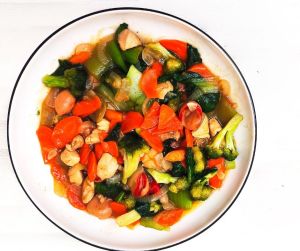
A stir-fry with cabbage, bell peppers, garlic, and ginger works beautifully.
This approach builds diversity without turning meals into a project.

Why Keeping the Skin On the Plant Matters
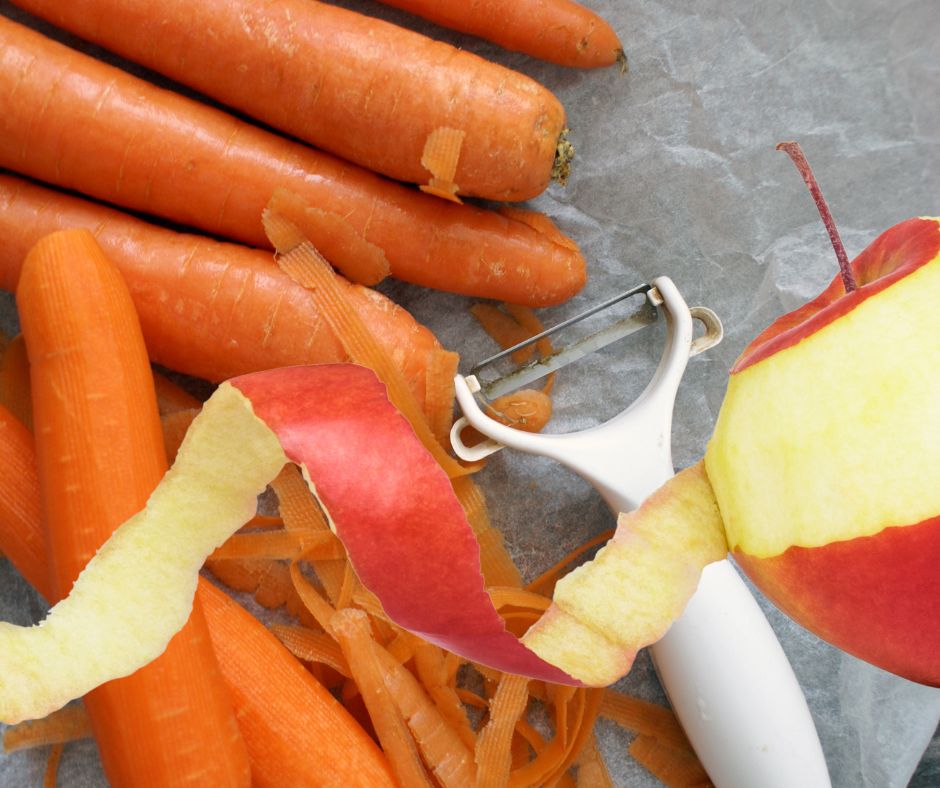
When possible, keeping the skin on fruits and vegetables is one of the easiest ways to increase phytochemical intake without changing what you eat.
Many phytochemicals are concentrated in or just beneath the skin of plants. This includes compounds like quercetin, anthocyanins, and certain flavonoids that help protect the plant from environmental stress. When you remove the skin, you remove a significant portion of those protective compounds.
Apple skins, potato skins, eggplant skins, squash skins, and the outer leaves of greens all contain higher concentrations of phytochemicals than the flesh alone. These compounds support antioxidant activity, gut health, and immune regulation in ways that isolated nutrients cannot.
Of course, this doesn’t mean you need to eat everything with the skin on. It means that when you can, and when it feels supportive for your digestion, leaving the skin intact is an easy upgrade.
Think of it as preserving the information the plant carries, not following another rule.
Keep It Practical
If peeling feels necessary for digestion, comfort, or preference, that’s okay. Stress does more harm than a missing apple peel.
- Rotate shades of different colors across the week.
- Add herbs generously, they also have color.
- Use spices daily.
- Leave the skins on when it works.
Small steps matter more than a dramatic change. Over time, these choices shift inflammation, support the gut lining, and help the immune system move toward balance.
And it all becomes sustainable.
My “Eat the Rainbow” Rule
This is why I teach Eat the Rainbow.
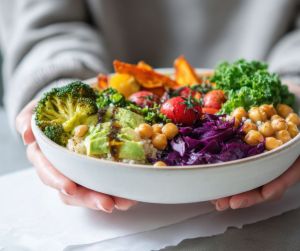
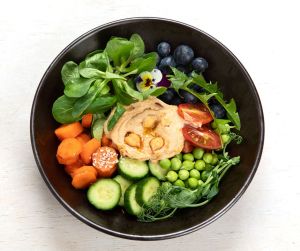
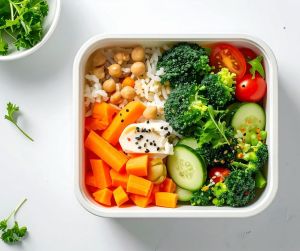
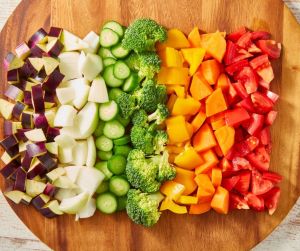
Color is shorthand for phytochemical diversity. When meals include a range of colors across the week, phytochemical intake increases naturally.
Just notice your plate. Are there any colors present. Can you add some color later today or tomorrow to make up for any missing colors? This doesn’t require exotic foods or complex recipes. Just add color when you can.
Purple cabbage. Green herbs. Orange squash. Red berries. Yellow peppers.
Each color is a signal, and each signal supports resilience.
Phytochemicals Are Information
One of the most important shifts for people with autoimmune disease is moving from “What should I avoid or get rid of?” to “What information am I giving my body?”
Phytochemicals are information. They tell cells how to respond to stress, how to regulate inflammation, and how to repair.
When you eat this way consistently, the immune system receives fewer danger signals and more regulatory cues. Over time, that matters.
Not overnight, but steadily you are letting the body know that it is safe.
Putting It All Together
You don’t need another superfood. You don’t need any complicated protocols.
You need:
- variety
- color
- consistency
- and food that feels supportive,
Phytochemicals work best when they’re part of everyday eating, not something you have to think hard about.
This is how nourishment becomes sustainable, and how recovery becomes possible.
Your Invite
If this way of thinking about food resonates with you, you’ll feel at home inside The Culinary Healing Circle.
Inside the Circle, we focus on translating nutrition science into real meals that support immune balance, gut health, and steady energy without overwhelm.
We don’t follow trends. We build foundations grounded in research and based on foundations.
You can learn more here: www.culinaryhealingcircle.com
Your food is speaking to your cells every day. You get to decide the message.
Explore More
If this topic resonated, you may also find these helpful:
– When Your Body Shuts Down: Understanding Autoimmune Fatigue
– Glycemic Index vs. Glycemic Load: Why Blood Sugar Matters for Autoimmune Health
– Foods That Restore Energy After Immune Stress
 Wholistic Jen
Leave a comment