

By Jennifer Whitmire, MS, MEd, MH, CHES, NEP
Nutrient density changes how you look at food entirely. It’s one of those concepts that sounds simple on the surface, but when you really understand it, it really triggers that, “Ah ha!”
Most people are taught to think about food in terms of calories and macros. Eat less calories. Eat smaller portions. Cut carbs. Avoid fat. Count points. None of those frameworks explain why someone can eat enough calories and still feel hungry, exhausted, inflamed, depleted, or stuck in autoimmune flares.
From a functional medicine perspective, the body doesn’t just need energy (calories). It needs nutrients aka information.
Nutrients are signals. They tell the immune system how to respond, the mitochondria how to make energy, the gut how to maintain its barrier, and the nervous system whether it’s safe to rest or needs to stay on alert.
This is why nutrient density is so important.
What Nutrient Density Actually Means
Nutrient density refers to the amount of vitamins, minerals, phytonutrients, antioxidants, and essential compounds a food contains relative to its calorie content.
A nutrient-dense food provides a high concentration of value per bite. It gives the body what it needs to function, repair, and regulate without requiring excessive intake.
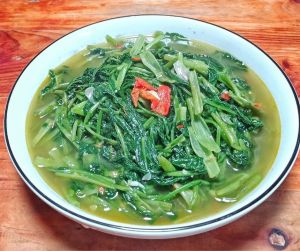
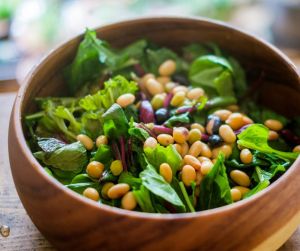
Leafy greens, herbs, legumes, berries, cruciferous vegetables, seeds, and certain roots are examples of nutrient-dense foods. They contain minerals like magnesium and potassium, vitamins like folate and vitamin C, and phytochemicals that modulate inflammation and immune activity.
In contrast, foods can be calorie-dense but nutrient-poor (think donuts and pastries). They provide energy but little information. Ultra-processed foods are the most obvious example, but even foods that look “healthy” can fall into this category if they lack mineral and micronutrient diversity.
Nutrient density refers to the concentration of vitamins, minerals, and beneficial compounds relative to calorie content (Think kale, spinach, blackberries-low calorie but high nutrients), a concept well established in nutrition science.

Energy Density vs. Nutrient Density
Energy density refers to how many calories a food contains per bite. Foods high in fat or refined carbohydrates tend to be energy-dense (donuts). Foods high in water, fiber, and micronutrients tend to be lower in energy density (Kale).
This distinction matters, because the body’s goal is not just to meet calorie needs but to meet nutrient needs.
If the diet is high in energy density but low in nutrient density, the body continues to signal hunger and cravings, not because it needs more calories, but because it hasn’t received the nutrients required to regulate metabolism, immune function, and nervous system balance.
In autoimmune disease, this mismatch is huge. The immune system has higher nutrient demands. In autoimmune disease, the auto-antibodies are creating damage that needs to be repaired. There is chronic inflammation, tissue repair, and oxidative stress going on at all times.
When nutrient needs aren’t met, the body compensates by increasing stress hormones and creating more fatigue to slow you down. This also leads to more immune dysregulation.
When meals are low in nutrient density but high in energy density, blood sugar becomes harder to regulate, especially for autoimmune bodies already under stress.
Why Nutrient Density Is Critical in Autoimmune Disease
Autoimmune disease is not just an immune issue. It’s a metabolic, inflammatory, and energetic condition.
The immune system requires adequate nutrients to regulate itself. Minerals like zinc, magnesium, and selenium are essential for immune signaling. B vitamins and vitamin C support mitochondrial energy production. Antioxidants and phytochemicals help neutralize oxidative stress created by chronic inflammation.
When nutrient density is low, the immune system stays reactive. Inflammation continues, fatigue gets worse, and healing slows.
From a functional medicine lens, nutrient density helps create the conditions necessary for immune tolerance. It reduces the “background noise” of stress signals that keep the immune system on high alert.
In autoimmune disease, chronic inflammation and metabolic stress often overlap, which is why nutrient density works hand-in-hand with improving insulin sensitivity and metabolic signaling.
Research continues to show that micronutrients and phytochemicals play a direct role in regulating inflammation, oxidative stress, and immune signaling.
Why You Can Be “Eating Enough” and Still Be Under-Fed
One of the most frustrating experiences for people with autoimmune disease is feeling exhausted and depleted despite eating regular, full-size meals.
This happens because calorie intake does not equal nutrient sufficiency.
Stress, inflammation, gut permeability (Leaky gut), meds, and chronic immune activation all increase nutrient demand and reduce absorption. The body burns through magnesium, potassium, B vitamins, and antioxidants like vitamin C at a much faster rate under inflammatory conditions.
If food choices are not nutrient-dense, the gap widens.
This is why nutrient density matters more than simply eating “enough” food. Chronic inflammation increases oxidative stress which raises nutrient demand and accelerates depletion of antioxidants and minerals.
What the Body Actually Wants From Food When Autoimmune
In autoimmune conditions, the body can’t handle less food. It’s needs more support.
- It wants minerals to stabilize the nervous system and insulin signaling.
- It wants antioxidants to buffer oxidative stress.
- It wants fiber and phytochemicals to support gut integrity and immune tolerance.
- It wants protein and amino acids for tissue repair.
- It wants foods that digest easily and don’t add additional inflammatory burden.
Nutrient-dense foods deliver these signals without overwhelming digestion or blood sugar regulation.
Practical Ways to Increase Nutrient Density Without Adding Stress
This is where many people get stuck. They understand the concept, but translating it into day to day routines feels overwhelming.
The key is to think in layers or step-by-step, not perfection right away.
You don’t need to maximize nutrient density at every meal. You need consistency over time.
A simple framework that works well for bodies in autoimmune is this:
At each meal, look for the rainbow. Aim for a variety of colors and textures. Color adds different phytochemicals and antioxidants. Leafy greens and herbs add minerals and bitter compounds that support digestion and the liver. Legumes, seeds, or roots (sweet potatoes, beets) provide fiber and steady energy, as well as, important nutrients for your microbiome.
Cooking methods matter, too. Light steaming, sautéing, simmering in a little broth that you consume like in a soup or stew, and blending can improve nutrient absorption and reduce digestive issues.
Small additions help, too. Adding herbs to soups, greens to beans and stews, seeds to bowls, or berries to breakfast or dessert gradually raises nutrient density without requiring a complete dietary overhaul.

Why Variety Matters Most
Nutrient density is not about eating the same “superfoods” every day. I don’t even really like the word “superfood,” because when you eat real whole foods, they are all superfoods. No one food does everything we need.
Different plants provide different nutrients and phytochemicals. This diversity feeds a diverse microbiome which in turn supports immune regulation and gut integrity.
In autoimmune disease, this diversity helps reduce immune reactivity by strengthening the gut barrier and increasing production of anti-inflammatory compounds.
Nutrient Density and Energy Restoration
One of the most noticeable changes people experience when they focus on nutrient density is more stable energy.
This happens because the mitochondria receive the cofactors they need to produce energy efficiently. This leads to more stable blood sugar and lower stress hormones which lead to a “Safer” body, so the nervous system can relax and be less reactive.
Energy becomes steadier and more predictable when we eat nutrient dense meals. This is one reason fatigue persists in autoimmune disease even when someone is eating regularly, something I explore more deeply in my article on autoimmune fatigue.

What to Focus On First
If you’re just starting, focus on adding rather than removing. We call this “Crowding out.” Don’t focus on what I need to cut out.
Focus on the rainbow at each meal. If this is new to you, aim for all of the colors in a day, then gradually move to all of the colors at each meal.
Add more leafy greens, herbs, legumes, seeds, and colorful vegetables to your day. Add mineral-rich foods consistently (greens, non-starchy veg, and root veggies). Add variety over time.
Look at your grocery list (or your cart or farmer’s market bag, is it full of different colors?
Plan your meals. It takes a little time, but it also ensures that you have nutrient dense meals.
Where can I fit in more color? How can I add more color?
Where can I add more greens? Do I even have greens in my day?
Where can I add some beans?
Do I have any omega 3 seeds in my day? (Hemp seeds, ground flax, or soaked chia or basil seeds)
As nutrient density improves, cravings slowly disappear, digestion becomes more reliable, and inflammation eases.
A Supportive Perspective
Nutrient density is giving the body what it needs to feel safe enough to heal.
For bodies in autoimmune disease, this approach creates a foundation of stability. It supports immune regulation, energy production, and long-term resilience.
You don’t have to DO more. Healing happens by nourishing more effectively.
An Invitation to Go Deeper
If this way of thinking about food resonates with you, I would love to support you inside The Culinary Healing Circle.
Inside the Circle, we focus on building nutrient-dense meals that support immune balance, blood sugar stability, gut health, and nervous system regulation. We take nutrition science and turn it into real food, real routines, and sustainable support for autoimmune healing.
You can learn more and join us at www.culinaryhealingcircle.com
Your body is incredibly responsive when it receives the nutrients it’s been seeking.
 Wholistic Jen
Leave a comment