
By Jennifer Whitmire, MS, MEd, MH, CHES, NEP
By the time I was diagnosed with Graves’ disease, I had already spent years studying health and nutrition. I held a master’s degree in health science, 8 years of CEUs and nutrition certificates, taught health education, exercised regularly, and genuinely believed I was making good choices for myself and my family. If someone had asked me back then whether I was healthy, I would have answered yes without hesitation.
That is one of the reasons my diagnosis was so shocking.
Like many people who receive an autoimmune diagnosis, I immediately started asking questions.
- How could this happen?
- What had I missed?
- Why was my body attacking itself when I was doing all of the things I had been taught were important for good health?
At the time, I didn’t realize that the questions I was asking would eventually change the way I looked at food, nutrition, and health altogether.
One moment stands out more than any other. My oldest child was still in daycare at the YMCA at the time, and I was heating up a Lean Cuisine for lunch. Like many people in the late 1990s and early 2000s, I thought it was a healthy choice. It had a protein, whole grains, and vegetables, was portion-controlled, lower in calories, and seemed like a quick way to eat something nutritious during a busy day.
The nutrition manager at the daycare happened to see me preparing it and asked a simple question, “Have you ever turned it over and read the ingredients?”
I hadn’t.
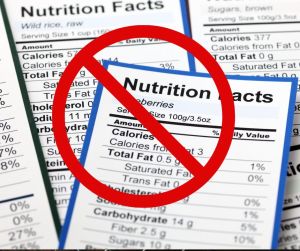
I had looked at the calories, the fat grams, and maybe the protein. Those were the things we were taught to pay attention to – The Nutrition FACTS.
Reading ingredient lists wasn’t something I spent much time doing.
She encouraged me to take a closer look, so I turned the box over and started reading. What I found surprised me. The ingredient list stretched down the entire side of the package in tiny print. There were ingredients I didn’t recognize, ingredients I couldn’t pronounce, and far more ingredients than I expected to find in what I thought was simply chicken, rice, vegetables, and sauce.
Looking back, it seems like a small moment, but it planted a seed. For the first time, I started questioning whether the foods marketed as healthy were actually supporting my health. That question changed the way I looked at food, nutrition, and chronic disease.
What I didn’t realize then was that this simple habit would eventually change the way I fed myself, the way I fed my family, and the way I teach nutrition today.

I Thought I Was Eating Healthy
One of the reasons that memory stayed with me is that I genuinely believed I was making good choices.
At the time, I had already spent years studying health and nutrition. I wasn’t living on fast food or soda. I exercised regularly, taught health education, and paid attention to what I ate. Like many people, I thought that if a food was low in calories, low in fat, and fit within the recommendations we were being taught, it was a healthy choice.
Looking back, I realize I was focusing on the same things most people were focusing on. We talked about calories, fat grams, cholesterol, and serving sizes. We learned about food pyramids and recommended daily allowances. We worried about whether foods were low-fat or fat-free and whether they fit neatly into a meal plan.
What we didn’t talk about was ingredient quality, food additives, ultra-processed foods, blood sugar balance, gut health, or how food affects inflammation.
Today those topics are everywhere. Thirty years ago, they were not.
That is why I don’t beat myself up about the choices I made back then. I was doing the best I could with the information I had. The problem wasn’t that I didn’t care about my health. The problem was that I was paying attention to one part of the story while completely missing another.
My breakfast might have included peanut butter toast, a banana, and a large glass of chocolate milk. I thought that was a healthy breakfast. It had protein, carbohydrates, and fruit. Lunch was something convenient that appeared healthy like that Lean Cuisine. Dinner was always homemade and frequently included homemade bread, pizza crust, muffins, or other baked goods I made myself.
I loved baking. I learned a great deal during culinary school and enjoyed making food from scratch for my family. Looking back, I find it ironic that I could make homemade bread, bagels, croissants, and pizza dough and still believe I was eating a health-promoting diet.
At the time, homemade food automatically felt healthier.
What I didn’t understand was that homemade bread is still bread.
Chocolate milk is still dairy and sugar.
A meal can be made from scratch and still contribute to inflammation, blood sugar imbalance, or immune system dysfunction in some people.
That realization would become much more important after my autoimmune diagnosis.

When My Autoimmune Diagnosis Forced Me to Ask Better Questions
When I was diagnosed with Graves’ disease, I was shocked. Like many people who receive a diagnosis of an autoimmune condition, I immediately wanted answers.
I wanted to know what caused it, why it happened, and most importantly, what I could do about it. I wasn’t interested in simply managing symptoms. I wanted to understand what had changed in my body and whether there was anything within my control that might influence my health moving forward.
The more I learned, the more I realized autoimmune disease is rarely a simple story.
Many people don’t realize that autoimmune diseases often come in pairs or more. Someone diagnosed with one autoimmune condition is at a higher risk of developing another. Researchers have identified more than 100 autoimmune diseases, and while they affect different tissues and organs, they share many common themes, including immune dysregulation, inflammation, genetics, environmental triggers, intestinal permeability, and changes in the microbiome.
As I dug deeper into the research, I began asking different questions.
Instead of asking, “What medication do I need?” I started asking, “What is contributing to inflammation?”
Instead of asking, “How do I manage this?” I started asking, “What is my body responding to and how can I fix it?”
Those questions led me down a path a another new path.
I started reading about gluten. I started reading about dairy. I started reading about intestinal permeability aka leaky gut. I began learning about the microbiome, blood sugar, food sensitivities, environmental toxins, nutrient deficiencies, and the role chronic inflammation plays in disease development.
The deeper I went, the more I realized that nutrition is about more than calories, fat, protein, and carbohydrates.
Food contains information.
Every meal sends signals throughout the body. Those signals influence blood sugar, hormones, digestion, immune function, detox pathways, and even the bacteria living in the intestinal tract. While no single food causes or cures autoimmune disease, the foods we choose can either support health or create additional stress on systems that are already struggling.
That changed the way I viewed food forever.
For me, one of the biggest discoveries was dairy. Giving up dairy was not something I was excited about. I wasn’t the person who couldn’t live without cheese, but I absolutely loved chocolate milk. My husband still jokes about how much milk we used to go through. At the time, I never considered that something I enjoyed so much could also be leading to inflammation.
Gluten was another eye-opener. By then, I had spent years making homemade bread, pizza dough, muffins, bagels, and other baked goods for my family. I enjoyed baking and took pride in creating food from scratch. What I didn’t understand was that homemade doesn’t automatically mean health-promoting.
That was a difficult lesson to learn.
When people hear me talk about removing gluten or dairy today, they sometimes assume it happened overnight. It didn’t. It was a process of learning, experimenting, observing, and paying attention to how my body responded.
The more I learned, the more I realized that health is never finding one magic food or one magic supplement. We have to understand the cumulative effect of thousands of choices made over time.
That understanding led me to another important realization: perhaps I had been focusing too much on individual nutrients and not enough on the overall pattern of my diet.
The Biggest Nutrition Lesson I Learned
The biggest lesson I learned wasn’t that dairy was a problem for me or that gluten triggered symptoms. Those discoveries were important, but they weren’t the most valuable thing I learned.
The biggest lesson was that food is more than nutrients.
For years, I looked at food the same way many people do. I looked at calories, protein, fat, carbohydrates, vitamins, and minerals. If a food checked the right boxes, I assumed it was healthy.
What I wasn’t paying attention to was the quality of the food itself.
I wasn’t asking where it came from, how much processing it had gone through, what ingredients had been added, or how it affected the way I felt.
After my diagnosis, those became the questions that mattered most.
Today, I still care about protein, fiber, vitamins, and minerals. However, I have learned that those nutrients do not exist alone. Food is a package. A bowl of beans brings fiber, minerals, resistant starch, and compounds that support the microbiome.
A serving of leafy greens is much more than vitamin K. Whole foods contain thousands of compounds that work together in ways we are still trying to understand.
What I Eat Differently Today
People ask me all the time what I eat now, expecting a complicated answer. The truth is that my meals are much simpler than they used to be.
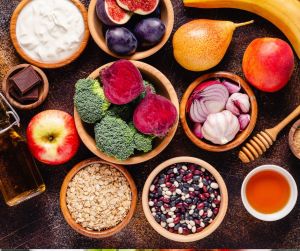
I focus on adding foods rather than obsessing over what to remove. Greens show up several times a day. Beans and lentils appear in most meals. I try to include a wide variety of colorful vegetables, herbs, mushrooms, berries, nuts, and seeds every day and throughout the week.
One of the biggest influences on my thinking has been Dr. Joel Fuhrman’s recommendation to eat a pound of raw vegetables and a pound of cooked vegetables each day. The first time I heard that recommendation, I thought it was impossible. Today it feels normal, because vegetables are no longer side dishes in my meals but the foundation.
I still read ingredient labels. I still pay attention to blood sugar balance. I still think about inflammation, gut health, and nutrient density. My focus has changed from trying to eat perfectly to consistently eating foods that fuel my body.
The Lesson I Wish I Had Learned Earlier
If I could go back and tell my younger self one thing, it would be this: stop looking only at the nutrition facts panel.
Food is more than calories, fat grams, protein, and percentages of daily values. The ingredient list, the food quality, and the overall pattern of your diet is what matters most.
Looking back, the biggest change I made wasn’t becoming plant-based or removing dairy or giving up gluten. The biggest change was learning to see food differently. Once I did that, everything else began to change.
 Wholistic Jen
Leave a comment