
By Jennifer Whitmire, MS, MEd, MH, CHES, NEP
If you had met my husband and me when we were dating, you probably would have assumed that he would be the first one to embrace a plant-based diet. While he was ordering salads and pasta, I was ordering ribs, steak, and hot wings. I was absolutely the meat eater in the relationship. In fact, when I first became interested in eating more plant-based foods, I thought steak or BBQ pork would be the hardest thing for me to give up.
I was wrong.
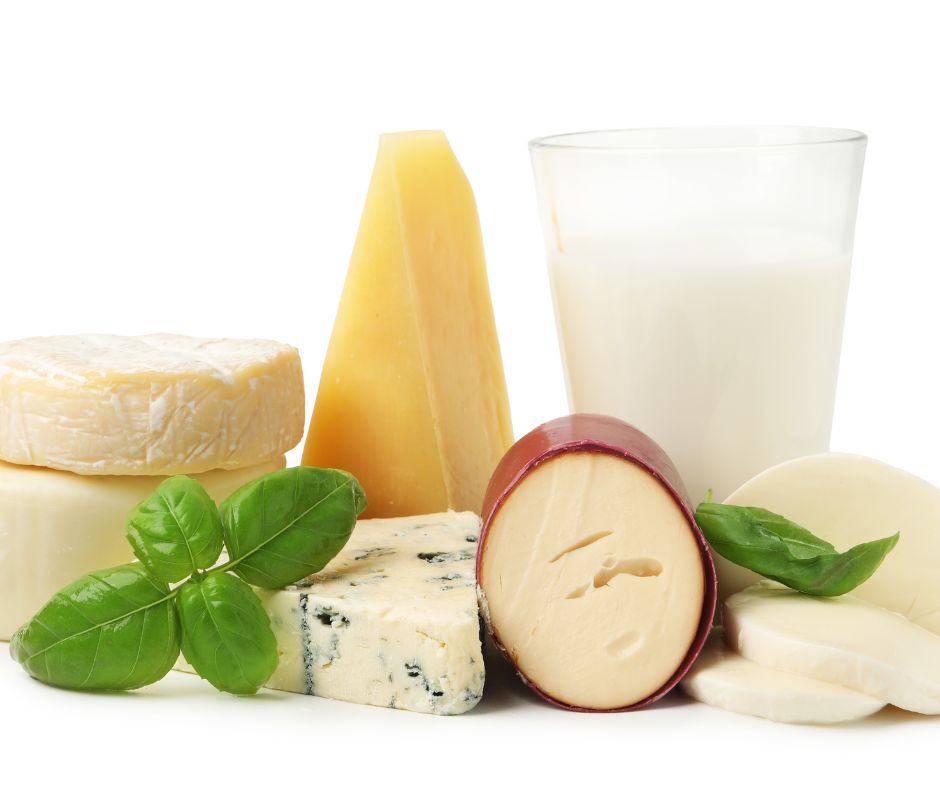
What surprised me was that giving up meat was so much easier than expected. Giving up dairy was an entirely different story! And, I didn’t consider myself to be much of a cheese eater. (I could easily pass on mac n cheese and other pasta with cheese dishes).
If someone had asked me which food group I was most attached to, I probably would have said meat. When I started thinking about what meals would look like without dairy, I realized that dairy was a part of every single meal.
When Food Becomes Part of Your Identity
While you know breakfast was usually PB toast and banana, some days might be cheese grits or cheese toast. Lunch could have cheese on the salad, tucked inside a wrap, or melted into something. Dinner might be parmesan on spaghetti, cheese on tacos, or buttered Texas toast as a side. There was also the cheese dip. How do you got out to eat Mexican or Italian and not have cheese?
There was also a lot of chocolate milk in my life.
For close to forty years, I drank chocolate milk morning, noon, and night. Looking back, that habit can be traced to overnight summer camp where I was not allowed to leave the table until I finished my milk. I remember how impressed my mom was when I returned home asking for this “healthy, calcium-rich” drink everyday. It became a part of my life.
In my 40s my husband would buy 2 gallons of milk just for me every single week. Yes! I was the only one drinking it.
What I realized is that my relationship with dairy had very little to do with nutrition and getting calcium. That may sound strange coming from someone who teaches nutrition, but it is one of the most important lessons I learned during my own health journey.
We assume that food choices are driven by scientific information. If people knew what was healthy, they would make different decisions. If they understood the science, they would naturally change their habits, but food is not that simple.
Our food choices were formed out of routines that have been repeated thousands of times. It is connected to family traditions, cultural expectations, convenience, memories, celebrations, and comfort. Before we begin analyzing nutrients, we have already developed emotional and behavioral relationships with the foods we eat.
Realizing that changed the way I view dietary change, both for myself and my clients.
Why I Decided It Was Worth the Experiment
The obvious question is why I was willing to experiment with removing dairy in the first place. The answer was not that I suddenly decided dairy was “bad.” Like many nutrition topics, the science is complicated and backed by a lot of $$$$.
As I started learning more about autoimmune disease, I kept reading more and more about dairy. Some practitioners recommended removing it completely. Some suggested an elimination trial to see whether symptoms improved.
At first, I was skeptical. After all, dairy had been a major part of my diet for most of my life, and just like with gluten, I never had stomach issues.
The more I researched, the more curious I became.
One area that caught my attention was the protein structure of dairy. Certain dairy proteins like casein share similarities with other proteins that can stimulate immune responses in some people. Researchers have recognized that some people who react to gluten also react to dairy proteins, which may help explain why dairy is usually removed during autoimmune elimination protocols.
I was also surprised to learn about the hormones in dairy. Milk is designed to support rapid growth in a young mammal. We drink cow’s milk which is created to feed a baby cow, so it can gain 500-700 pounds in its first year of life.
Naturally occurring hormones and growth factors are part of that biological purpose. Should I really consume that? While the implications for human health are controversial, it raised questions I had never considered before, particularly because cheese is a concentrated form of milk. Do we want to 10x those hormones?
Another area that interested me was the relationship between dairy and insulin. Many people assume that only carbohydrates influence insulin levels, but dairy proteins can stimulate insulin secretion, as well. That does not necessarily make dairy unhealthy for everyone, but it challenged my understanding of how different foods affect metabolism and blood sugar regulation.
What about saturated fat? For decades, dairy fat was viewed primarily through the lens of cardiovascular disease. Recent research has painted a more complex picture, with scientists recognizing that different dairy foods may have different metabolic effects. Many dairy products contain significant sources of saturated fat, something I was already paying closer attention to because of my own health concerns and family history.
Individually, none of these findings convinced me to remove dairy permanently, but they convinced me that experimenting with a dairy-free diet was reasonable.
What ultimately influenced my decision was not a study or a theory but how I felt.
The Mistake I Made About Dietary Change
Knowing you need to make a change doesn’t necessarily translate to making the change. I know a lot of things, but I struggle to do the things.
Many nutrition programs focus almost entirely on elimination.
- Remove this food.
- Cut out that food.
- Stop eating these right away.
I know first hand after working with thousands of clients that successful long-term change rarely happens because someone was handed a list of restrictions.
Successful change occurs when people learn how to do something new.
For me, the turning point came when I stopped focusing on what I was giving up and started paying attention to what I was gaining. Instead of asking how can we have tacos and grilled cheese without cheese, I became curious about what else was possible.
That curiosity sparked some serious creativity in the kitchen.

What Happened When I Started Experimenting
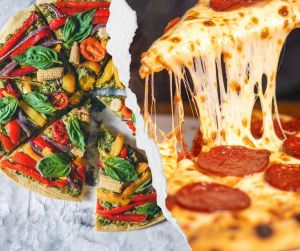
As someone who had always loved cooking, I began experimenting with ingredients I had never used before. I learned how to create creamy sauces from nuts, avocados, zucchini, and/or white beans. I discovered that roasted vegetables could add richness and depth to recipes. I began using herbs, spices, vinegar, nuts, and seeds in new ways.
What surprised me most was that many of the things I associated with dairy were not dependent on dairy.
What I enjoyed was the creaminess, richness, familiarity, or comfort that some dairy foods provided. I learned that I could recreate those experiences using different ingredients.
I think this is one of the most overlooked aspects of dietary change.
When people tell me they could never give up a certain food, I understand exactly what they mean, because I felt that way myself. However, I have also learned that the food is not always the whole story. Sometimes the challenge is not the ingredient but letting go of a tradition or a familiar experience that has been part of life for many years.
Instead of, “But that’s how we’ve always made it!” Take a chance and try it a new way. You might even like it better.

The Science of New Habits and New Tastes
Our tastes are not fixed.
Researchers have known for years that taste preferences can change with repeated exposure. Foods that seem unfamiliar become more appealing over time. I used to hate raw carrots, tomatoes, nuts, and even rice. Now I can’t imagine not having those foods. New recipes become favorites, and eventually, foods that we thought were essential may no longer occupy the same place in our lives.
When I teach clients with small children, I always tell them it may take 10 times before the child starts eating this new food. The same goes with us. Now I crave some of the foods I thought I would never eat.
The foods I eat today are foods I genuinely enjoy. The giant salads, beans, vegetables, herbs, nuts, and seeds that make up much of my diet today feel normal, because they have become part of my routine. More importantly, I have learned how to prepare them in ways that are flavorful and enjoyable.
I see the same pattern with clients. The foods that are unfamiliar become the foods they miss when they stop eating them. New routines become normal and automatic. What once felt impossible becomes second nature after a while.
What Dairy Taught Me About Lasting Change
Looking back, I thought giving up meat would be the hard part, instead dairy became one of my greatest teachers.
My experience has been that lasting change comes from learning, curiosity, and developing new skills. It comes from discovering foods you genuinely enjoy rather than forcing yourself to eat foods you dislike. If you absolutely cannot stand a certain food, find something else. There are over 30,000 edibles plant foods out there! Your job is to create a way of eating that feels sustainable enough to become part of everyday life.
Our habits can change, and there are far more possibilities on the other side of that change than we can see at the beginning.
For me, dairy was not simply a food I removed from my diet, but a lesson in how change actually happens.


Leave a Reply