
By Jennifer Whitmire, MS, MEd, MH, CHES, NEP
These days, I don’t cook the way I used to. I no longer follow recipes, not that I did much before, but I find myself being more creative and curious in the kitchen.
People would ask me for recipes, and I would happily share them. I enjoy creating recipes, teaching cooking classes, and helping people discover new ways to prepare healthy foods. When I looked at what actually happened in my own kitchen each week, I realized that most of my meals did not begin with a recipe at all.
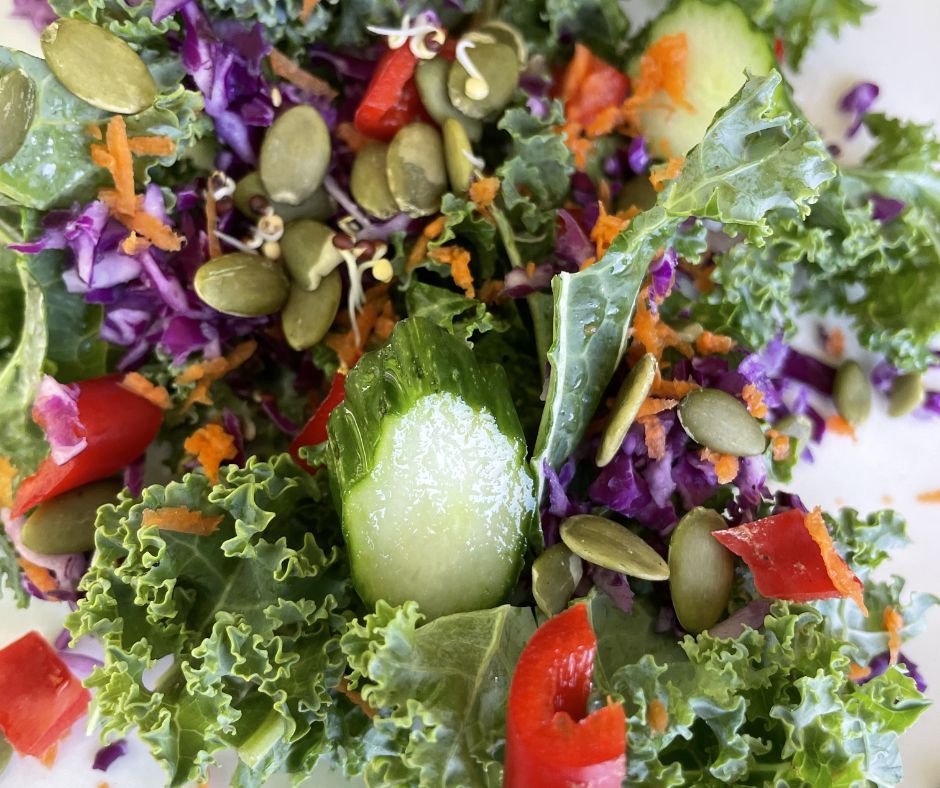
They began with produce.
When I look at my fridge and pantry, I am rarely thinking about a specific recipe. Yes, I meal plan and create the grocery list based on recipes, but when it comes to actually following the plan…, I find myself looking at what is colourful and appealing. I no longer want to follow the plan. I want to make something else exciting with what I have on hand.
Those observations determine what I am going to eat, before I decide exactly what I am going to prepare. In fact, just tonight, I was going to make Mediterranean Stuffed Peppers, but I have been eating Mediterranean chickpeas all week, and I don’t want anything Mediterranean tonight. But … the peppers still look good, so what if I turn them into something spicy with Mexican flavors?
Over time, I realized that this way of thinking has changed the way I cook and eat.
The Difference Between Cooking From a Recipe and Cooking From Ingredients
Recipes are wonderful teachers. I always call them a guide. They help us learn techniques, discover new ingredients, and become more confident in the kitchen. Many of the recipes I use today taught me something valuable at some point along the way.
At the same time, I think many people become trapped by recipes. They are missing 1 small ingredient, so they say they can’t make that recipe. You can still make the recipe! Just leave that ingredient out or find a substitute.
They open the refrigerator and see lettuce, cucumbers, tomatoes, herbs, cabbage, and a container of beans, but instead of seeing possibilities, they see a lack of direction. There is no recipe attached to those ingredients, so they are not quite sure what to do with them.
I have learned over the years that some of the best meals come from looking at what is available and creating something from it. That change made cooking feel more fun and creative.
Today, I rarely ask myself, “What recipe am I making tonight?” I think, “What needs to be used?” or “What can I create today?”
Those questions usually lead me somewhere interesting.
What Produce Teaches Us About Variety
One of the reasons I enjoy this way of cooking is that it encourages variety.
When we rely on recipes, it is easy to fall into the habit of buying the same ingredients week after week. We find a few meals we enjoy and rotate through them over and over again. There is nothing wrong with that, but it can limit the diversity of foods we eat.
Seasonal produce has a way of changing that.
Right now, summer is bringing in tomatoes, cucumbers, peaches, berries, basil, peppers, zucchini, melons, and fresh herbs. A few months from now, the selection will look completely different.
Autumn will bring winter squash, apples,pears, cabbage, greens, and root vegetables. The seasons invite us to eat a wider variety of foods without requiring us to follow a special program or complicated plan.
As a health educator, I find this fascinating.
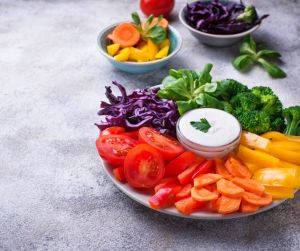
One of the reasons I encourage people to “Eat the Rainbow” is not because every meal has to look like a work of art. Different colors in plant foods add different phytonutrients. The deep blues and purples in berries are different from the carotenoids found in orange vegetables or the glucosinolates in cruciferous vegetables.
When we eat a wide variety of plant foods throughout the year, we naturally expose ourselves to a broader range of these beneficial compounds.
The more we learn about nutrition, the more we appreciate the importance of dietary diversity. Different plants provide different vitamins, minerals, fibers, and phytonutrients. The goal is not to obsess over individual nutrients but to create opportunities for a wide range of foods to appear on the plate over time.
A produce-first approach does that naturally.
Healthy Eating Does Not Have to Be Complicated
One of the biggest misconceptions I encounter is the belief that healthy eating requires complicated planning and recipes and hours of time.
My experience has been the opposite.
Some of my favorite meals are super simple. A large salad topped with beans, fresh herbs, roasted vegetables, and a homemade dressing and seeds. A platter filled with sliced vegetables, fruit, hummus, and leftovers from the night before. A bowl created around whatever produce looked best when I opened the fridge.
These meals are simple, but they work. They make it easy to eat foods that support health without spending hours in the kitchen.
When healthy foods are visible, accessible, and ready to use, healthy choices become much easier.
A Summer Example
This bowl is a good example of how I think about meals during the warmer months. It is colorful, rich in fiber, and highlights many of the foods that are abundant this time of year.
Summer Rainbow Bowl with Creamy Lemon Basil Dressing
For the Bowl
6 cups mixed greens
1 cucumber, diced
1 cup cherry tomatoes, halved
1 bell pepper, diced
1½ cups shredded purple cabbage
1 avocado, sliced
1 ½ cups chickpeas
¼ cup fresh basil leaves
¼ cup fresh parsley
1/4 cup pumpkin seeds, sunflower seeds, walnuts, whatever…
For the Dressing
1 cup white beans, drained and rinsed
1 lemon, juiced
¼ cup fresh basil
¼ cup fresh parsley
1 green onion
1 small garlic clove
1 teaspoon Dijon mustard
2 tablespoons nutritional yeast (optional)
Salt and pepper to taste
Water as needed for blending
Directions
Place all dressing ingredients in a blender and blend until smooth and creamy.
Arrange the vegetables, greens, herbs, avocado, and chickpeas in a large bowl. Drizzle with dressing and serve.
Serves 2 generously.
The Bigger Lesson
Looking back, I think one of the most valuable skills I developed in the kitchen was learning to work with ingredients instead of depending on recipes.
Recipes still have an important place in my life. I enjoy collecting them, creating them, sharing them, and using them for inspiration. They help us learn and grow as cooks.
Some of the healthiest meals I eat are not the result of carefully following instructions but are the result of paying attention to what is fresh, seasonal, and available, then creating something simple from those ingredients.
I no longer begin with the question, “What recipe should I make?”
I begin with the produce, and the recipe comes later.

 Wholistic Jen
Leave a comment