
By Jennifer Whitmire, MHSc, MH, MEd, CHES, NEP
When was the last time you really thought about what happens when you take that first bite of food? I LOVE food! The flavors, aromas, colors, and textures are all a part of the experience. We, those of us in my world, spend a lot of time thinking about what we eat from protein to fiber, vitamins, minerals, and whether or not we’re eating enough vegetables.
How often do we stop to think about what our bodies are doing at that first bite?
When we talk about digestion, we usually think first about the stomach and intestines, but the process starts much earlier. Even before we take that first bite, the sight, scent, or even the thought of food can stimulate saliva production and help prepare our digestive system for what’s coming. Once we begin eating, our teeth, tongue, and saliva work together to start breaking down food. Chewing changes its physical structure, and saliva begins breaking down certain carbohydrates and helps us swallow safely.
From that first scent of something delicious to the time we swallow that first bite, our bodies are already working hard. Our senses, teeth, tongue, and saliva all work together to prepare food for digestion and absorption. Some of these processes begin before we even see the food!
What really happens when we take that first bite, and why does it matter for our health?
What Happens When You Take That First Bite?
Think about biting into a raw carrot. Your front teeth cut through its firm structure, and your back teeth crush and grind it into smaller pieces. As you continue chewing, your tongue moves the food around your mouth, mixing it with saliva until it becomes soft enough to swallow.
This process is called mastication, and it’s the first stage of mechanical digestion.
Chewing breaks the food into smaller particles and increases the surface area for digestive enzymes. It also breaks apart some of the cellular structures that surround nutrients in plant foods.
This is important when we’re eating vegetables, legumes, nuts, and seeds. Plant cells have walls made from complex carbohydrates like cellulose that help maintain their structure. Humans don’t produce enzymes that directly digest cellulose, so breaking down plant tissues through chewing, chopping, blending, and cooking can make some nutrients more accessible.
We don’t have teeth beyond our mouth, so we need to chew as thoroughly as possible.
In my previous Food As Medicine articles, we’ve explored how food structure affects calorie absorption and how chopping, blending, and cooking change the foods we eat.
Chewing is another part of that process, but its importance goes beyond nutrient accessibility. It also prepares food for safe swallowing and allows saliva and enzymes to begin their work.
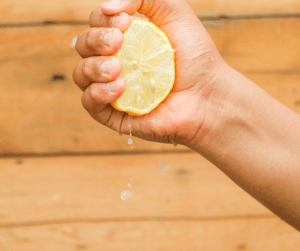
Why Does Your Mouth Water When You Smell Something Delicious?
Saliva isn’t just water. It’s a complex fluid containing digestive enzymes, electrolytes, mucus, antimicrobial proteins, and other compounds that help maintain a healthy oral environment.
Our salivary glands produce saliva throughout the day, with production increasing when we eat, chew, smell, or even think about food. Think about a lemon and its smell, and tell me you don’t start to salivate.
Saliva has several important functions.
It’s the Beginning of Carbohydrate Digestion
Saliva contains an enzyme called salivary amylase, which begins breaking down starches into smaller carbohydrate molecules.
Think about chewing a piece of plain bread or a cooked potato. If you hold it in your mouth long enough, you will notice that it begins to taste slightly sweeter. That’s because salivary amylase is breaking some of the starch into smaller sugars.
The enzyme works on starches, not on every carbohydrate. It doesn’t break down cellulose, and it depends on factors like food structure, moisture, and how long the food is in the mouth.
Salivary amylase can continue acting a little after food is swallowed, until stomach acidity reduces its activity. Not much happens to our carbs in the stomach. Most carbohydrate digestion and absorption take place later in the small intestine.
It Helps Us Swallow
As we chew, saliva moistens food and helps gather the smaller particles together into a soft mass called a bolus. Our tongue then moves the bolus toward the back of the mouth, initiating the swallowing process.
Without enough saliva, dry foods can be difficult to chew and swallow comfortably. This is one reason why dry mouth can affect more than comfort. It can interfere with eating, swallowing, and maintaining adequate nutrition.
It Protects Our Teeth and Oral Tissues
Saliva helps wash away food particles, buffers acids in the mouth, and supplies minerals involved in maintaining tooth enamel. It also contains proteins and other substances that help control microbial activity and protect oral tissues.
These functions are important, because of the oral microbiome. The mouth contains a diverse community of microorganisms, and a healthy oral environment depends on a balance between saliva production, oral hygiene, diet, and the microorganisms that naturally live there.
When saliva production is reduced, the risk of dental decay and infections can increase.
What Happens When Your Mouth Is Too Dry?
Dry mouth, also called xerostomia, becomes more common with certain medications and health conditions. When I had Sjogren’s, I had a painfully dry mouth and dry eyes.
Aging doesn’t necessarily cause a major decline in saliva production, but older adults are more likely to experience factors that interfere with it.
Medications used for allergies, depression, blood pressure, and other health conditions can reduce saliva production. Dehydration, mouth breathing, and disorders affecting the salivary glands can also lead to dry mouth.
Someone experiencing dry mouth may need water while eating to swallow food, have difficulty eating dry or crumbly foods, or have trouble with tastes.
These changes can affect food choices. When chewing or swallowing becomes uncomfortable, people may begin avoiding certain foods like raw vegetables, nuts, or other foods that require more chewing.
Nutritionally, this is important particularly when it reduces diet variety.
Staying well hydrated, practicing good oral hygiene, and addressing persistent dry mouth can help protect the oral microbiome and overall health as well as make eating more comfortable.
Why Smell and Taste are Important for Digestion
Chewing also allows us to experience the flavor, aroma, and texture of food.
When we eat, sensory information from the mouth and nose communicates with the nervous system. The sight, smell, taste, and anticipation of food stimulates digestive juices before food reaches the stomach.
This is part of what’s called the cephalic phase of digestion.
During this phase, the nervous system helps prepare the digestive tract for an incoming meal. It can include increased salivation, gastric secretions, and changes in digestive activity.
With my 1:1 clients, I often recommend chewing on bitter greens while preparing a meal to help stimulate more digestive juices including increasing bile acids to help with absorption of nutrients.
We don’t have to consciously think about digestion. It’s part of the normal coordination between our sensory organs, nervous system, and digestive tract.
Think about the aroma of onions and garlic cooking in a skillet. You may notice your mouth beginning to water, before you take your first bite. That’s an example of how the body anticipates food and begins preparing for digestion.
Once you start eating, chewing and tasting continue providing sensory information that leads to these digestive responses. This connection between eating habits and digestion is something I’ve explored before in Nutrition Myths My Textbooks Taught Me and How I Reversed My Autoimmune Disease. Taking time to chew and enjoy our food is a practice that brings greater awareness to the eating experience.

Does Chewing More Thoroughly Help Us Feel Full?
Chewing affects how quickly we eat, and eating speed can influence how much food we consume during a meal.
Foods that require more chewing naturally take longer to eat. This gives more time for the sensory experience of eating and for physiological signals involved in appetite regulation.
As food enters the stomach and intestines, stretching of the digestive tract and the release of gastrointestinal hormones lead to feelings of fullness. These signals interact with information from the brain, our previous eating experiences, and the nutritional composition of the meal.
Studies examining chewing and appetite suggest that increasing chewing can reduce food intake under some conditions; however, the effects on fullness and appetite-related hormones aren’t consistent.
Eating more slowly doesn’t guarantee that we’re eating enough, and feeling full doesn’t necessarily mean we’ve met our nutritional needs.
For example, a large bowl of non-starchy vegetables like a giant salad may provide considerable volume and fiber but relatively little energy (calories) or protein. Someone may feel physically full without consuming enough nutrients to support their activity level and muscle maintenance.
As we discussed in last week’s article, How Many Calories Do You Really Need After 50?, adequate nutrition remains important as we age.
Chewing is part of the eating experience, but we still need to consider the composition of the entire meal.
Is There an Ideal Number of Times to Chew?
You’ve probably heard recommendations to chew each bite 20, 30, or even 40 times. Although these suggestions encourage people to slow down, there isn’t an established number of chews that’s appropriate for every food or every person. Can you chew a blended broccoli soup 20 times?
A ripe banana doesn’t need much chewing compared to a raw carrot, a handful of whole almonds, or dehydrated crackers.
Food texture, moisture content, particle size, and chewing ability all influence how much mechanical breakdown is necessary.
We also have to consider dental health. Missing teeth, a sore tooth or jaw, poorly fitting dentures, or difficulty chewing can affect how thoroughly someone processes food before swallowing.
The goal is to chew food until it reaches a liquid-like texture that can be swallowed comfortably and safely.
For someone who tends to rush through meals, I encourage them to put down the fork or spoon after each bite, and notice the texture and taste of the food.
Bringing the Science Into Your Kitchen
Understanding what happens in the mouth can change how we prepare and serve food, and a few simple kitchen practices can make meals more enjoyable and easier to manage.
Think about texture when preparing vegetables. Raw vegetables give crunch and require more chewing, and lightly steaming or roasting them softens them. Both methods can be part of a nutritious diet, but the best choice may depend on personal preference, chewing ability, and the rest of the meal. My husband is famous for saying, “I don’t have this much time to chew.”
We’ve explored this idea with tomatoes in What Happens to a Tomato When You Chop, Blend, or Cook It?, where we looked at how preparation can change the accessibility of lycopene and other nutrients. The same kitchen techniques that influence nutrient accessibility also change the texture of food and how much chewing it requires.
Include moisture when needed. A flavorful, vegetable broth, a sauce, or a dressing can make some foods easier to chew and swallow, especially for someone experiencing dry mouth or wearing a dental appliance.
Pay attention to the eating experience. Flavor, aroma, and texture add to the sensory signals that accompany digestion. Taking time to enjoy a meal allows us to notice those qualities instead of rushing through them. It also increases our chances of absorbing more of the nutrients.
Don’t overlook nutritional adequacy. If someone has difficulty chewing certain foods, changing how they are prepared can help maintain dietary variety. Cooked vegetables, soft beans, and appropriately prepared protein-rich foods can make it easier to meet nutritional needs.
These practices help us to understand how the mouth prepares food for the rest of digestion.
Every Bite Is the Beginning of Digestion
By the time we swallow a bite of food, several important processes have already occurred.
Our teeth have reduced the food into smaller pieces. Our tongue has helped move and mix it. Saliva has moistened the food, started breaking down some of its starch, and helped form a bolus that can move safely into the esophagus.
At the same time, our sensory and nervous systems have been communicating with the digestive tract, helping prepare the body for the meal.
These processes work together, but digestion has literally just started.
Once food reaches the stomach, it enters a different environment, where muscular contractions, stomach acid, and digestive enzymes continue breaking it down.
This is where we’ll take our discussion next.
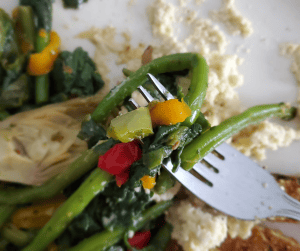
For now, the next time you sit down to eat, slow down and look at all of the different colors and textures. Take a bite and think about everything your mouth is doing before you swallow. Chewing and saliva are everyday, thoughtless processes, but they’re essential to how we experience, digest, and ultimately use our food.
My Rules: Read the ingredients. Eat the rainbow. Understand your food.
References
- Pedersen AML, Sørensen CE, Proctor GB, Carpenter GH, Ekström J. Salivary secretion in health and disease. Journal of Oral Rehabilitation. 2018;45(9):730–746. https://doi.org/10.1111/joor.12664
- Humphrey SP, Williamson RT. A review of saliva: Normal composition, flow, and function. Journal of Prosthetic Dentistry. 2001;85(2):162–169. https://doi.org/10.1067/mpr.2001.113778
- Cassady BH, Hollis JH, Fulford AD, Considine RV, Mattes RD. Mastication of almonds: Effects of lipid bioaccessibility, appetite, and hormone response. American Journal of Clinical Nutrition. 2009;89(3):794–800. https://doi.org/10.3945/ajcn.2008.26669
- Miquel-Kergoat S, Azaïs-Braesco V, Burton-Freeman B, Hetherington MM. Effects of chewing on appetite, food intake and gut hormones: A systematic review and meta-analysis. Physiology & Behavior. 2015;151:88–96. https://doi.org/10.1016/j.physbeh.2015.07.017
- Krop EM, Hetherington MM, Nekitsing C, Miquel S, Postelnicu L, Sarkar A. Influence of oral processing on appetite and food intake: A systematic review and meta-analysis. Appetite. 2018;125:253–269. https://doi.org/10.1016/j.appet.2018.01.018
- Power ML, Schulkin J. Anticipatory physiological regulation in feeding biology: Cephalic phase responses. Appetite. 2008;50(2–3):194–206. https://doi.org/10.1016/j.appet.2007.10.006


Leave a Reply