
By Jennifer Whitmire, MS, MEd, MH, CHES, NEP
When people find out I’m a Master Herbalist, they assume we, my family and I, spend our meals talking about herbs. They’re right! Well… sort of.
Most people think of herbs as something we use when we’re sick. They think of herbal teas, tinctures, capsules, salves, or essential oils. While herbs have a long history of traditional medicinal use, one of my favorite ways to use them is to eat them.
I’m not trying to “treat” anything. Herbs are food.
Over the past thirty years of studying herbal medicine, one of the things I’ve come to appreciate is that many of the herbs growing in our gardens and sitting on our counters and in our refrigerators are also incredibly nutritious. They are rich in vitamins, minerals, fiber, and hundreds of naturally occurring plant compounds that help create the rainbow meals I encourage my clients to eat every day.
I think we forgot that herbs were meant to be part of everyday meals, not just something we reach for when we’re sick. Most of them are literally, leafy greens!
Herbs Are Vegetables, Too
Most recipes call for one or two tablespoons of fresh parsley or a few basil leaves just before serving. They’re treated more as a decoration or afterthought instead of part of the meal.
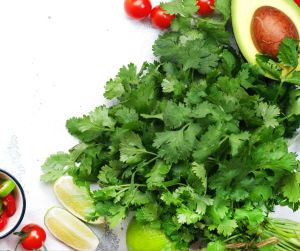
Parsley, cilantro, basil, dill, mint, oregano, rosemary, thyme, sage, and chives are all edible plants. Like spinach, kale, or arugula, they contain their own unique combination of phytochemicals, antioxidants, vitamins, and minerals.
No, we don’t eat an entire bowl of parsley for dinner, but what if we stopped thinking of herbs as something we sprinkle on top of a meal and started thinking of them as another colorful plant food?
One More Way to Eat the Rainbow
If you’ve been reading my articles for very long, you’ve probably heard me encourage you to “eat the rainbow.” (It’s my #2 Rule after Read the Ingredients)
Different colors in plant foods provide different phytochemicals, and those compounds support the body in different ways. Some help protect cells from oxidative stress. Others support healthy inflammatory responses, circulation, digestion, or feed the gut microbiome.
No single plant contains all of those beneficial compounds, which is one reason dietary diversity has become such an exciting area of nutrition research.
Every time we add another plant to our plate, we’re increasing the variety of nutrients and phytochemicals available to both our bodies and our microbiome.
Fresh herbs are one of the easiest ways to do that.
Herbs Make Healthy Food Taste Better
There is another reason I reach for fresh herbs so often.
They make healthy food taste amazing.
- A handful of basil completely changes roasted tomatoes.
- Fresh dill wakes up a potato salad.
- Cilantro brightens tacos and bean bowls.
- Mint is amazing on fruit and iced tea.
- Rosemary turns roasted vegetables into something you can’t wait to eat.
Healthy eating is much easier when healthy food is full of flavor.
One of My Favorite Ways to Use Fresh Herbs
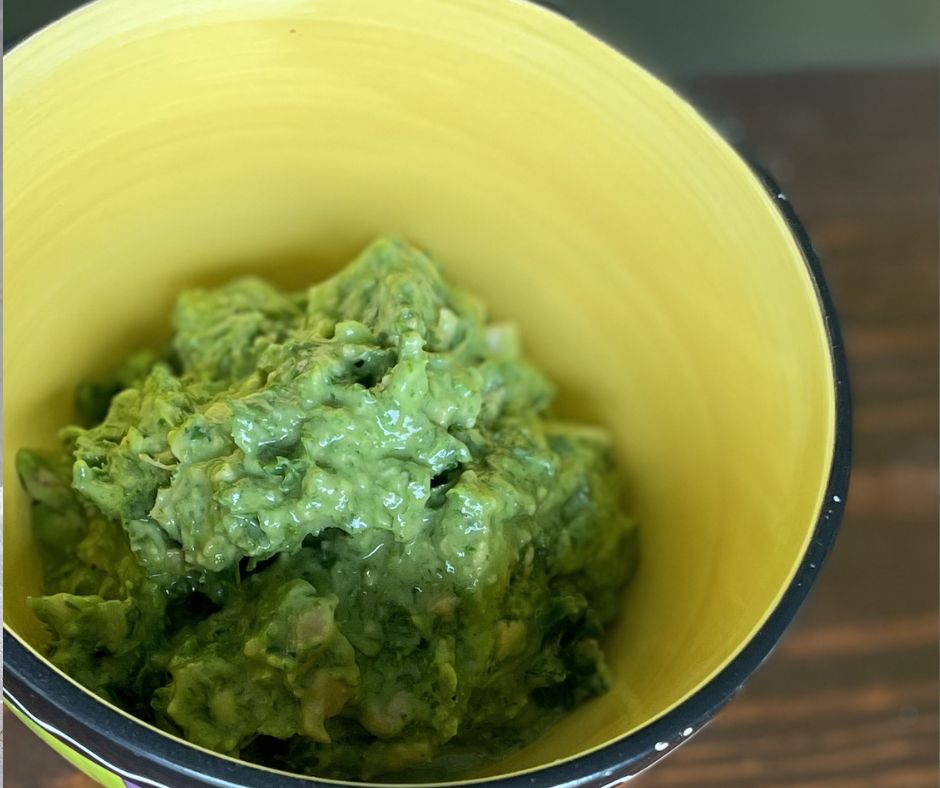
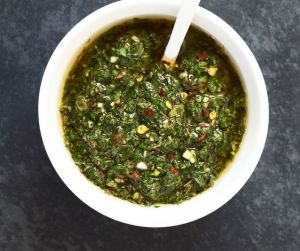
When I have several herbs that need to be used, one of my favorite recipes is a simple chimichurri.
Traditional chimichurri is usually made with quite a bit of oil. I like making a creamy version using avocado instead. It keeps the fresh, vibrant flavor while adding quite the zing to my meal.
I spoon it over roasted vegetables, baked potatoes, bean bowls, wraps, tacos, salads, or use it as a dip for raw vegetables.
It’s fresh, flavorful, and one of the easiest ways I know to enjoy herbs by the handful instead of by the teaspoon.
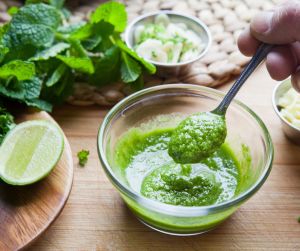
Garden Herb Chimichurri with Avocado
Ingredients
- 1 cup fresh parsley
- ½ cup fresh cilantro
- ¼ cup fresh basil
- 1 ripe avocado
- 2 cloves garlic
- 2 tablespoons fresh lime juice
- 2 tablespoons apple cider vinegar
- ¼ teaspoon crushed red pepper flakes (optional)
- Freshly ground black pepper, to taste
- Water, as needed for desired consistency
Directions
- Add all ingredients to a food processor or blender.
- Blend until smooth, adding water a tablespoon at a time until you reach your desired consistency.
- Taste and adjust the lime juice or seasonings as needed.
- Serve over roasted vegetables, bean bowls, baked potatoes, tacos, wraps, salads, or as a dip for fresh vegetables.
The Bigger Lesson
One of the reasons I enjoy teaching nutrition and herbal medicine together is that they aren’t separate subjects. Before people thought about herbal supplements, they were eating herbs regularly.
They gathered them with their other vegetables, cooked with them, seasoned their meals with them, and enjoyed them as part of everyday life.
I still appreciate herbal teas, tinctures, and other traditional preparations when they’re appropriate. Some of the most medicinal herbs are very difficult to eat, and I can only handle them as a tincture or capsule, like Gentian or Pau D’arco, but I also believe one of the simplest ways to enjoy the benefits of herbs is to make them a regular part of our meals.
The next time you’re chopping parsley, basil, cilantro, or dill, don’t think of them as the finishing touch.
Think of them as one more colorful plant on your plate. It may be one of the simplest ways to add more flavor, more variety, and more nutrition to every meal.


Leave a Reply