

By Jennifer Whitmire, MS, MEd, MH, CHES, NEP
From Germs to Good Health
I remember when hand sanitizers first became popular.
Some people thought they were one of the greatest public health inventions ever. Others were much more cautious. I remember hearing health professionals ask, “Wait a minute. Do we really want to kill all of the microbes on our hands?”
At the time, I didn’t know much about the microbiome, but that response caught my attention.
Why would we want bacteria?
Weren’t “germs” supposed to make us sick? Or, is this like the antibiotic overuse, resistant bacteria, and MRSA which was on the rise?
The more I learned, the more I realized we had been thinking about microorganisms in a very one-sided way. Yes, some bacteria, viruses, fungi, and parasites can make us sick, very sick. We should absolutely wash our hands after using the restroom, handling raw meat, or coming into contact with someone who is sick, but there is much more to the story.
Many microorganisms don’t make us sick at all. In fact, they’re working around the clock to keep us healthy.
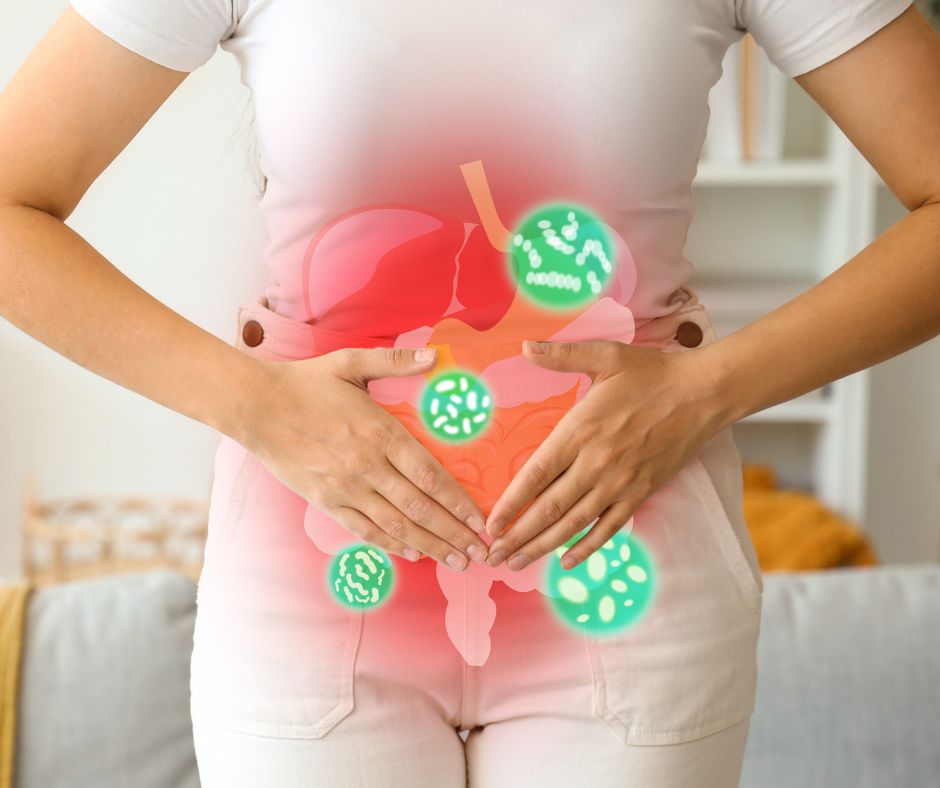
Most of us think of ourselves as one body. In reality, we’re a living ecosystem. Trillions of microorganisms live on our skin, in our mouths, and throughout our digestive tract. Collectively, they’re called the microbiome.
These tiny organisms aren’t just hanging around for the ride. They help digest foods we can’t digest on our own. They produce certain vitamins and other beneficial compounds. They help train our immune system, protect us from invading organisms, and even communicate with our brain through what we now know as the gut-brain axis.
I find all of this absolutely fascinating.
Every time we sit down to eat, we’re not the only ones eating, our microbiome is eating too.
An Entire Ecosystem Lives Inside You
One of the things I appreciate most about nutrition science is that it continues to show us the incredibly complex and beautifully designed human body.
When I first learned about the microbiome, I thought these microorganisms just helped us digest food. That would have been impressive enough. The more I studied; however, the more it amazed me.
Researchers are discovering that these tiny organisms influence more than digestion. They communicate with our immune system, helping it learn the difference between what belongs in the body and what doesn’t. They produce compounds that help maintain the integrity of the intestinal lining, making it more difficult for unwanted substances to enter the bloodstream. Some even help manufacture vitamins that our own bodies either cannot produce or cannot produce in sufficient quantities.
Even more fascinating is what scientists have learned about the gut-brain axis.
For many years, we thought the brain was directing the conversation while the digestive tract followed orders. Today, we know that communication travels both directions. Messages are constantly moving between the brain and the digestive tract through nerves, hormones, immune cells, and chemical messengers produced by the microbiome itself.
Have you ever had “butterflies” before giving a speech? Felt nauseated when you received bad news? Lost your appetite during a stressful week?
We’ve all experienced the connection between the brain and the gut.
What we’re beginning to understand is that the microorganisms living inside us are participating in that conversation as well.
The digestive tract is no longer just a long tube whose only job was to absorb nutrients. Instead, it is an entire ecosystem that is alive, constantly changing, and responding to every decision we make.
So, What Are We Feeding?
If these microorganisms are helping regulate digestion, supporting the immune system, influencing metabolism, and even communicating with the brain, what are they eating?
They’re eating many of the same foods we’ve been told to eat for years, plants!
Fiber doesn’t just help us stay regular. I was taught back in the 90’s that we need fiber to bulk stool. That was it!
Many of the microorganisms living in our digestive tract depend on fiber for fuel. Resistant starches found in foods like beans, lentils, green bananas, whole oats, and cooked-and-cooled potatoes become food for them as well.
Remember my #2 Rule? Eat the Rainbow! The colorful pigments in berries, herbs, leafy greens, spices, and other plant foods contain polyphenols that many beneficial microbes, the good gut bugs, also need to thrive.
Suddenly, the age-old advice is making sense.
- Eat more vegetables.
- Eat beans.
- Eat herbs and spices.
- Eat a wide variety of colorful, whole foods.
- Include fermented foods when they’re appropriate for you.
It’s more than just getting enough vitamins and minerals. These recommendations help us create an internal environment where beneficial microorganisms can thrive.
The Power of Plant Diversity
That is one of the reasons for my rule “Eat the rainbow.”
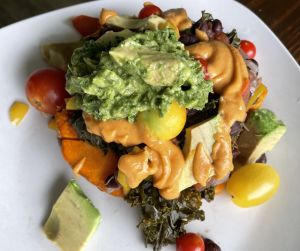
Yes, different colors are needed for different vitamins, minerals, and phytochemicals. They also provide different types of fiber and polyphenols, which means they fuel different members of the microbiome.
For years, nutrition researchers searched for the healthiest food or the next “superfood.” Now, the conversation is all about dietary diversity. Instead of searching and asking, “What is the healthiest vegetable?” researchers are studying the combination and diversity of different diets and their effect on the microbiome.
Instead of eating the same vegetables every week, choose at least one different item at the farmers market. Maybe add fresh herbs to a salad, try a new variety of beans, or roast a vegetable you’ve never tasted before. Every new plant adds another layer of diversity, both to our diet and to the ecosystem living inside us.
Healthy eating suddenly becomes much more interesting when we stop thinking about individual nutrients and begin thinking about fueling the whole system.
The Bigger Lesson
Looking back, a lot has changed since those early conversations surrounding hand sanitizers. At the time, I had no idea they would spark an interest that would eventually change the way I think about nutrition.
Today, I no longer think of food as something that just provides calories, protein, carbohydrates, fats, vitamins, and minerals. Every meal also feeds a community of microorganisms that supports digestion, immunity, metabolism, and countless other functions every single day.
We don’t have to memorize the names of bacteria or understand every new microbiome study to appreciate one important principle. The foods we choose every day help shape the environment we’re creating within our own bodies.
To me, that’s one more reason to eat the rainbow! Enjoy colorful vegetables, fruits, herbs, legumes, nuts, seeds, and other whole plant foods.
Healthy eating is about feeding an entire ecosystem that is working every day to help us thrive.


Leave a Reply